Fuel Costs Add Pressure to Airlines' Post-War Preparations
Israeli airlines are preparing operational plans for the reopening of the country’s airspace after the war with Iran, focusing on restoring flight schedules, returning stranded passengers and dealing with rising operating costs. Airline officials say each carrier is expected to publish a revised flight schedule once the war ends and Israeli airspace is formally reopened.
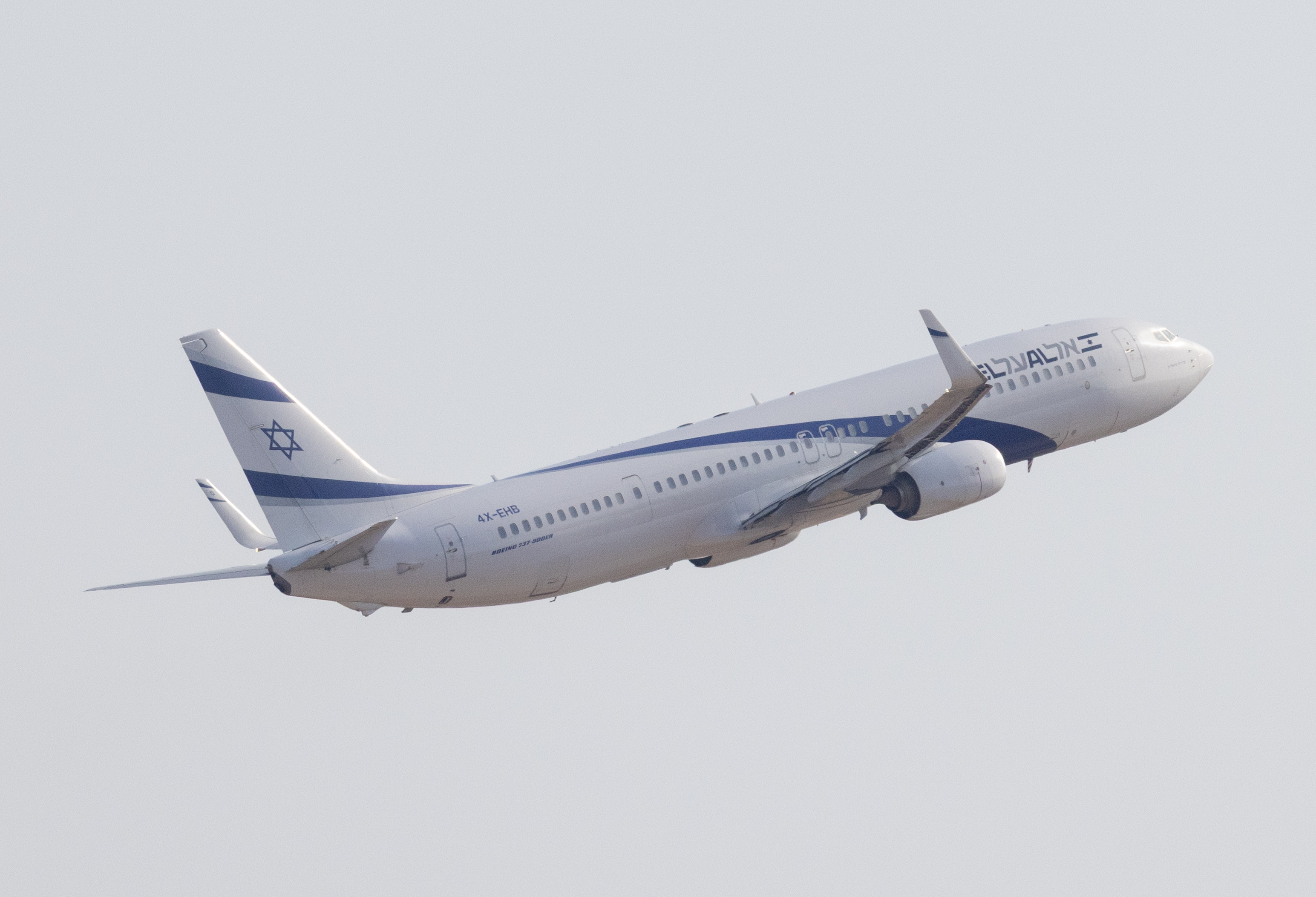
Israeli airlines are preparing operational plans for the reopening of the country’s airspace after the war with Iran, focusing on restoring flight schedules, returning stranded passengers and dealing with rising operating costs.
Since the outbreak of the fighting, nearly all flights to and from Israel have been canceled, leaving thousands of travelers stranded. Airline officials say each carrier is expected to publish a revised flight schedule once the war ends and Israeli airspace is formally reopened.
Passengers whose flights were not officially canceled are expected to remain on their original bookings if operations resume in time. Those who already received refunds will likely need to rebook based on available seats under the new schedules.
Carriers are expected to increase daily flights as much as possible to reduce the backlog. Options under review include leasing foreign aircraft and setting up transit “air bridges” through nearby destinations such as Cyprus and Greece.
At the same time, airlines are also facing a sharp rise in fuel costs. The broader war in the Middle East has pushed up oil and jet fuel prices, increasing pressure on airlines in Israel and abroad. Industry officials warn that if high fuel prices persist, ticket prices could rise as carriers try to absorb the added costs.
For now, the pace of recovery will depend not only on security conditions and airspace approvals, but also on whether fuel prices stabilize enough to allow airlines to rebuild schedules without passing major new costs on to passengers.