Tensions in the Middle East have escalated significantly following a series of overnight military exchanges between American forces and Iran. Multiple logistical and diplomatic indicators are rapidly accumulating, pointing toward a definitive resumption of large scale war in the region. Security officials are closely monitoring these developments as defense frameworks prepare for potential retaliation.
The geopolitical landscape shifted rapidly as reports emerged that the United States began moving aerial refueling tankers back to the Middle East and Israel, reversing a previous evacuation to Europe. Israeli Transportation Minister Miri Regev disputed these specific transit claims, stating that the international airport continues to operate normally and the tankers are not returning to Israeli tarmac. Despite the conflicting statements, high level defense coordination is accelerating at a frantic pace.
Israeli Defense Forces Chief of Staff Eyal Zamir conducted intensive situational assessments at the defense headquarters in Tel Aviv alongside top intelligence, air force, and operations commanders. Zamir has established a direct line of communication with senior leaders at United States Central Command and the Pentagon. These discussions are happening concurrently with urgent, direct consultations between Israeli Prime Minister Benjamin Netanyahu and United States President Donald Trump.
Israeli defense sources estimate that the United States could launch consecutive days of aerial strikes inside Iran to neutralize strategic threats. At this hour, the heaviest exchange of fire remains concentrated around the vital shipping lanes of the Strait of Hormuz. Netanyahu has insisted that critical military objectives remain unfulfilled, specifically regarding the neutralization of Iran's enriched uranium stockpiles.
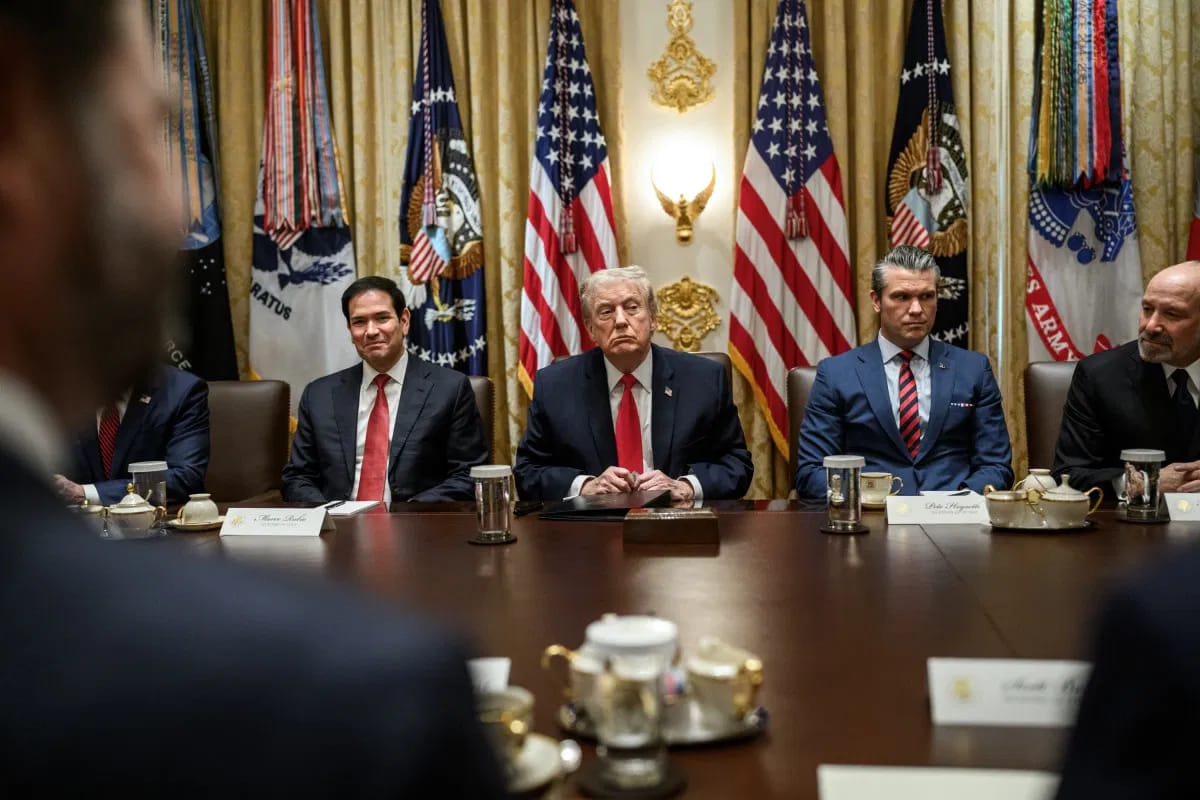
The gravity of the situation was highlighted when an American official confirmed that the parties have entered a dynamic that signals a return to active combat. United States Defense Secretary Pete Hegseth abruptly canceled his scheduled trip to Israel to remain in Washington, a move the official noted was intended "to engage in the approval of strike plans against Iran."
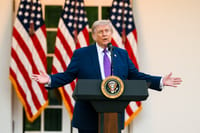
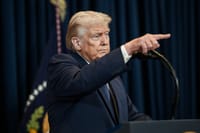
Trump provided a mixed assessment during a press conference following the NATO summit, stating, "I don't think the war against Iran will resume." However, this comment came immediately after he publicly declared that the United States military would target Islamic Republic assets again tonight. The American president attempted to minimize the scope of the operations, claiming that "even if something happens, it will end very quickly, we don't want something long term."