"Blaming Victims"
Senator Jacky Rosen (D-Nevada) called the rhetoric "a new low" that "traffics in antisemitic tropes by blaming victims" of antisemitism.
"Blaming Jewish Americans for the violence and hate they're facing is not just wrong, it provides an excuse to those perpetuating these anti-Jewish hate crimes," she said.
Senator Cory Booker (D-New Jersey) was more direct: "There is zero justification for threats against the safety of our Jewish brothers and sisters. Suggesting that Jewish Americans bear responsibility for the hatred or violence directed at them is wrong, dangerous, and antisemitic."
House Minority Leader Hakeem Jeffries called the suggestion that American Jews "invite violence against themselves" malicious and dangerous. "We will fight the cancer of antisemitism with the fierce urgency of now," he said.
Representative Hillary Scholten (D-Michigan) specifically flagged the targeting of Moss by name as unacceptable, describing Piker as "a hack who thrives on hate, shock and awe because he lacks substance."
Other Democratic leaders including Sens. Elissa Slotkin (D-Michigan) and Reps. Josh Gottheimer (D-New Jersey), Susie Lee (D-Nevada), Brad Schneider (D-Illinois), and Jake Auchincloss (D-Massachusetts) issued similar condemnations. DNC Chair Ken Martin condemned the remarks without naming Piker.
El-Sayed's Qualified Response
El-Sayed, the Democratic Senate nominee in Michigan, has appeared with and campaigned alongside Piker multiple times. His response on Wednesday attempted to create distance without fully breaking with the streamer.
"Nobody speaks for this campaign besides me and my campaign spokespeople," El-Sayed stated. "All Americans deserve the right to advocate for what they believe without fear of violence, particularly communities historically targeted by violence. Antisemitism is a scourge, and I remain committed to Jewish safety."
He did not specifically reject Piker's framing or the "Jewish ISIS" characterization. Democratic critics and some Jewish progressives noted the response fell short, appearing designed to signal displeasure while avoiding a full repudiation that might alienate Piker's substantial following among younger progressive voters.
Republican opponent Mike Rogers seized on the insufficient distance, arguing it underscored El-Sayed's ties to far-left figures.
Piker's Defense
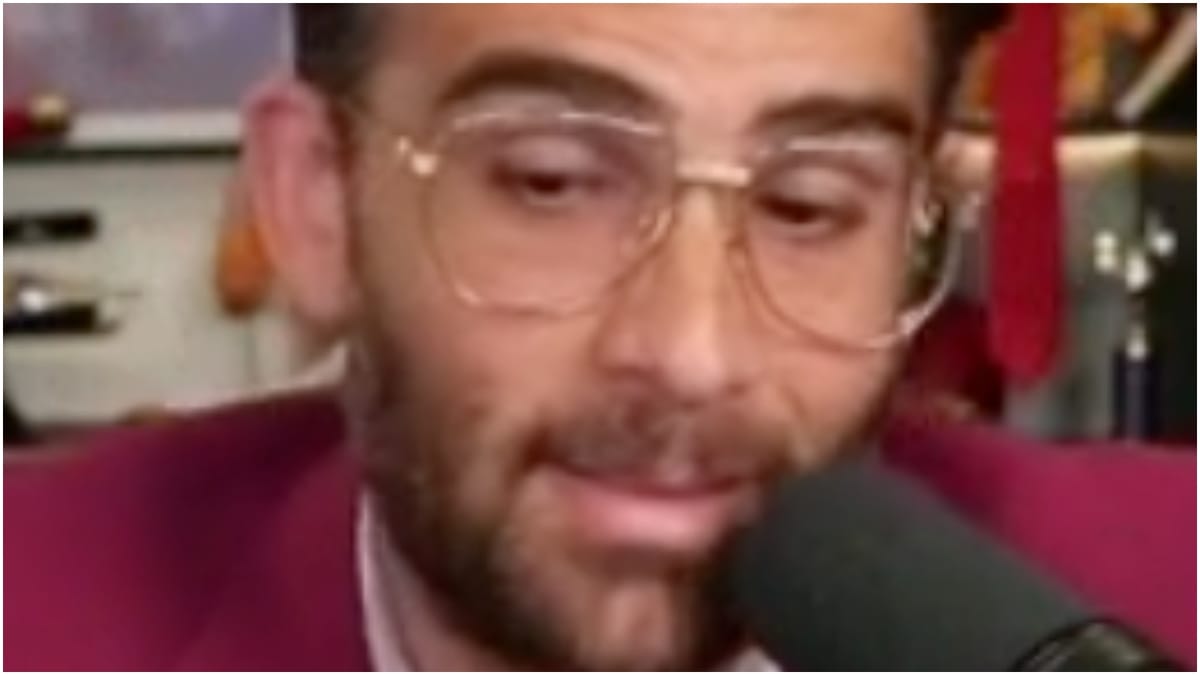
Piker dismissed the criticism as a "coordinated smear campaign" by pro-Israel groups. He defended his remarks as a warning about the dangers of conflating Zionism with Judaism, arguing that monolithic portrayals of Jewish identity erased anti-Zionist Jews and invited backlash.
"I'm highlighting a problem, that associating Jewish identity with Israeli policy, amid what I view as genocide, creates danger for Jews," he claimed, citing commentary by writers like Ezra Klein to support his argument.
The streamer has a history of inflammatory statements about Israel, Hamas (which he has called "a thousand times better" than the Jewish state), and Orthodox Jews. He typically frames such commentary as anti-imperialist rather than antisemitic, but no one believes him.
Context and Stakes
Piker commands millions of followers across Twitch, YouTube, and X, and has become influential among younger progressive voters, particularly in contested races like Michigan's. His association with El-Sayed's campaign, while one of many endorsements, has drawn scrutiny as Democrats attempt to manage internal tensions over Gaza policy and antisemitism accusations from the left.
The episode highlights anxieties within the Jewish community about the rise of anti-Zionist rhetoric in progressive spaces, and the rhetorical move, evident in Piker's comments, that conflates support for Israel with Jewish identity itself, then blames Jews for the resulting backlash.
The remarks come as antisemitic incidents in the U.S. remain elevated. According to the Anti-Defamation League, the first half of 2026 saw continued high levels of antisemitic harassment and violence, including incidents targeting Jewish institutions and individuals.
For El-Sayed, the controversy complicates his effort to build a coalition spanning progressive activists and Jewish voters in a state with significant Jewish populations in southeast Michigan. His Senate race against Rogers is expected to be closely contested in the fall.