Europe is preparing this week for another intense heat wave, the fifth since May, as authorities issued their highest-level warnings across large swaths of western, central and southern parts of the continent. The heat wave is expected to bring extreme temperatures, heighten wildfire risks, and disrupt economic activity across multiple countries.
A large high-pressure system, sometimes called a "heat dome," is forecast to push temperatures above 40 degrees Celsius (104 Fahrenheit) in parts of Spain, Italy and France between Wednesday and Friday. Spain's meteorological agency AEMET is predicting temperatures up to 42°C in the country's south, while France's Météo-France has warned of 38 to 40°C across wide areas.
Italy has been experiencing extreme heat conditions since last week. The Italian Health Ministry has placed all 27 cities included in its heat monitoring system under "red" alert—the highest warning level. Central Europe has recorded temperature records in recent days: 42.2°C in Slovakia and a national record of 41.2°C in Austria.
Britain is also preparing for unusual heat, with forecasts of up to 36°C in parts of southeast England by midweek. If realized, this would mark the fourth consecutive month that British temperatures have reached 35°C or higher.
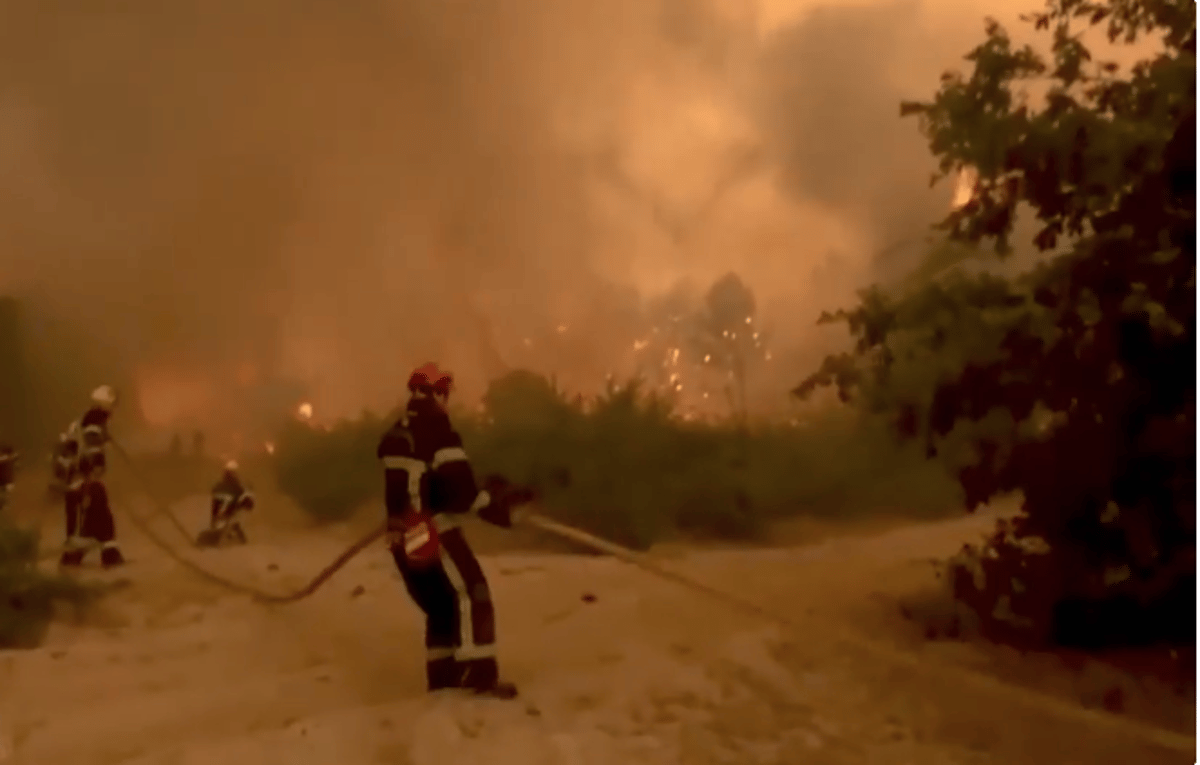
Wildfire risk is escalating sharply. The European Forest Fire Information System has placed areas in Britain, western France, the Alps and the Balkans under "very extreme" fire danger conditions, at least through Wednesday.
The Economic Threat: Erasing EU Growth
Beyond the impact on public health and infrastructure, economists are warning of a heavy economic price. Dutch bank Triodos estimated in a new analysis that extreme summer weather could reduce the European Union's GDP by approximately 1.1% in 2026, a figure nearly identical to the bloc's projected growth for the year.
According to the bank, this represents a potential loss of around €180 billion, which could effectively cancel out the EU's expected economic expansion. In the Netherlands itself, Triodos estimates that the heat's impact could largely negate the country's anticipated growth.
"The economy here is not prepared for this, and therefore the effects quickly become very large," said economist Hans Stegeman from the bank.
The severe heat is already straining energy supplies. According to a report by NPR, Slovakia's only nuclear power plant is operating at approximately 80% of its capacity due to an unusual drop in Danube River water levels used for cooling.
A Summer of Records, Fires and Excess Deaths
The current heat wave follows a summer that has already become one of the most severe on record in Europe. Thousands of cases of excess mortality have been reported across the continent due to the succession of heat waves, and the European Commission activated earlier this season its largest-ever wildfire response force, 777 firefighters from 14 countries.
Wednesday is also expected to bring a total solar eclipse crossing parts of Greenland, Iceland and Spain. But in Spain, according to AEMET's warning, the day may also be accompanied by very high to extreme fire risk.