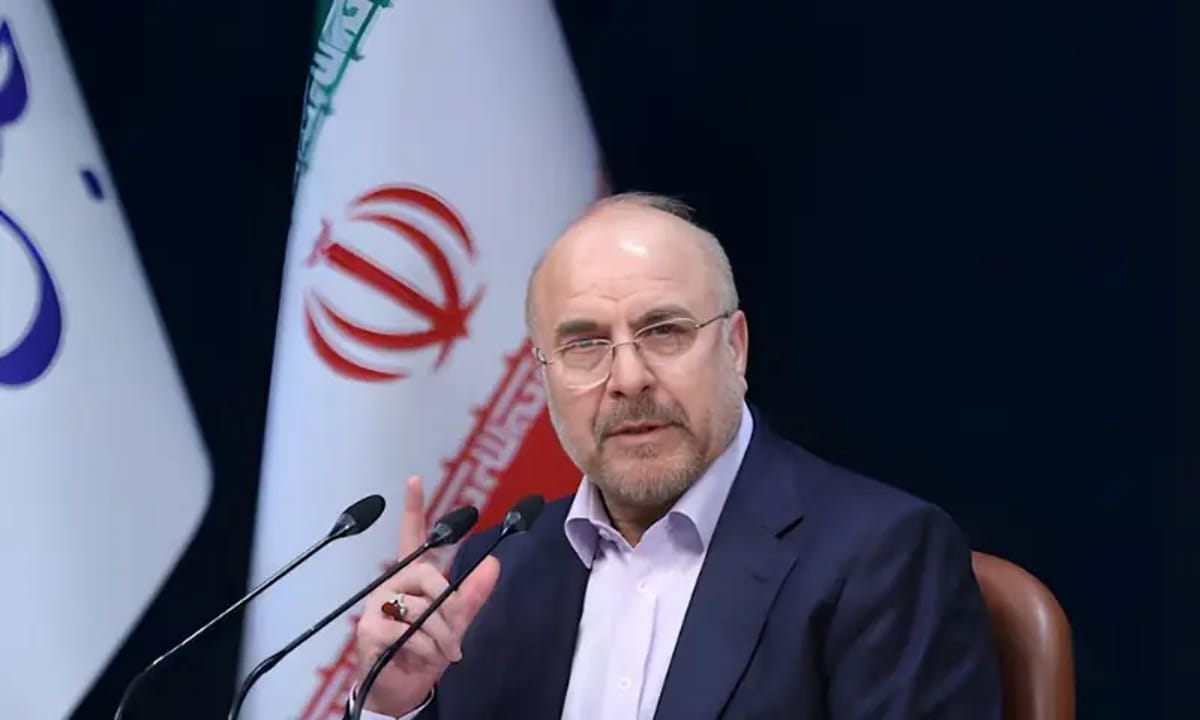
Iranian political leaders and state media outlets publicly mocked President Donald Trump on Thursday following the administration's strategic shift from public strike warnings to statements supporting diplomatic negotiations. Iranian Speaker of Parliament Mohammad Baqer Qalibaf characterized the shifting position of the White House as theater diplomacy, rejecting Washington's pressure tactics as ineffective.
The public remarks come as technical negotiators outline potential interim maritime transit frameworks mediated by Omani officials.
"A massive attack is coming... wait, never mind, they want to negotiate," Speaker Qalibaf wrote in a public social media post addressing the shifting US statements. "This is a repeating theater diplomacy."
Qalibaf further criticized the strategic tools utilized by the administration to extract concessions from Tehran during international talks.
"Using bullying, broken promises, and fake news as leverage is a failed strategy," Qalibaf stated regarding American diplomatic posture. "Recognize the facts and fulfill your commitments. We do not need any more theater."
Concurrently, Iranian state news outlet Nour News questioned the White House's announcement of rapid progress on Persian Gulf shipping arrangements. State media analysts questioned whether public statements from Washington indicated a functional agreement or a strategic political narrative.
"Trump's unusual rush to announce success in the Strait of Hormuz issue reveals more than anything his central vulnerability," Nour News reported. "The question is: is he rushing to implement a real agreement, or is he merely seeking to sell the American public news of a good agreement right before the Congressional elections."
Amid the public exchanges, officials in Tehran disclosed operational details regarding the temporary maritime corridor framework negotiated alongside Omani diplomats. A source within the Iranian Foreign Ministry told Fars News Agency that the proposed maritime agreement is structured to function for a designated time period.
According to the disclosed terms, vessels entering the Strait of Hormuz will navigate through the northern corridor adjacent to the Iranian coastline. Exiting commercial vessels will navigate exclusively through the southern corridor adjacent to the coast of Oman.
Defense systems under IDF Chief of Staff Eyal Zamir continue monitoring naval movements and deployment postures across regional waters as diplomatic exchanges proceed.
Reporting published by Srugim News indicates that Iranian officials maintain a critical stance regarding American diplomatic objectives while technical discussions over maritime access continue through regional intermediaries.