As Israel experiences peak summer temperatures and extreme heat waves, emergency medical teams are on high alert. But alongside routine calls, Magen David Adom (MDA), Israel's national emergency medical service, is warning the public about a hidden danger many people ignore: the thin line between a pleasant family outing and a life-threatening medical emergency.
Summer Health Alert
Water Won't Stop Heat Stroke, Medic Warns
Magen David Adom's chief paramedic explains the critical difference between dehydration and heat stroke, as summer heat intensifies across Israel and drowning incidents rise during school break
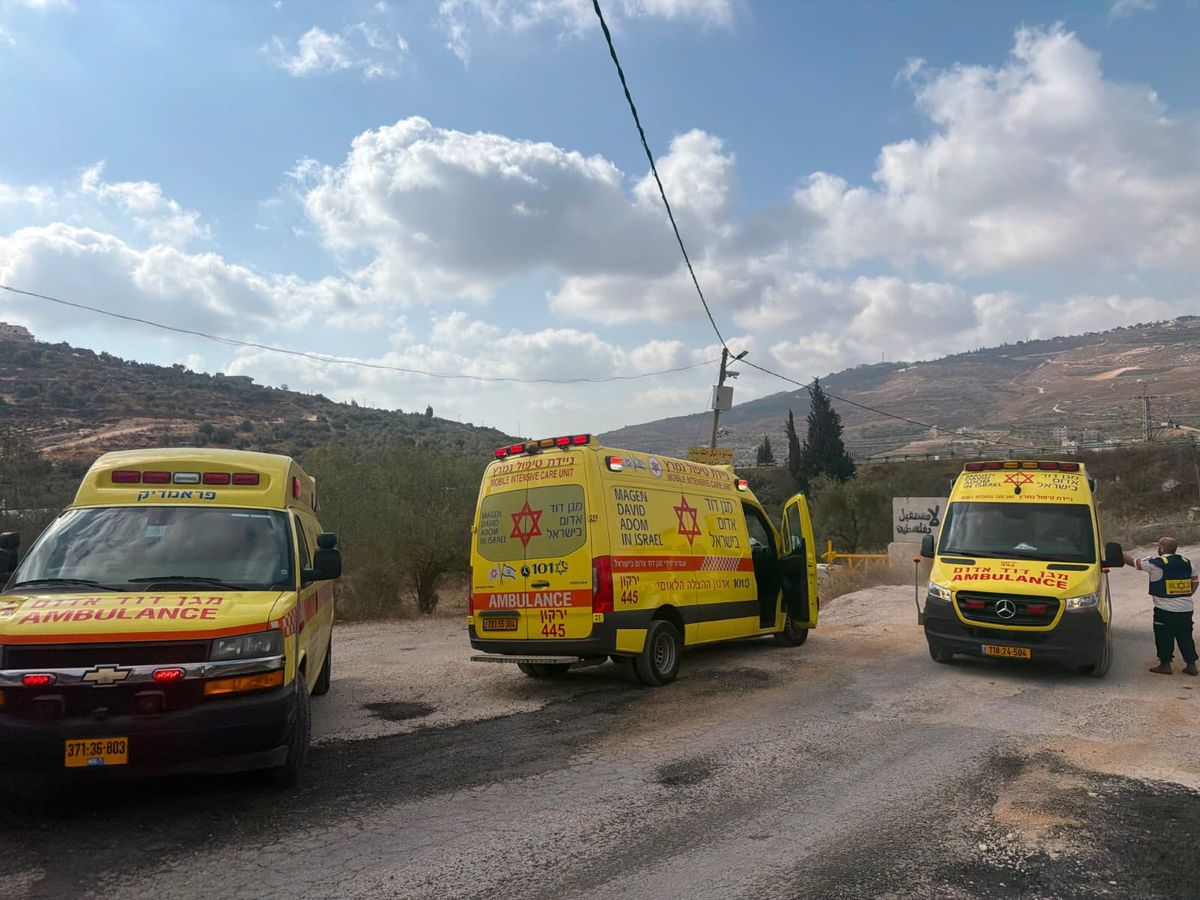
"Heat stroke is a disease that leads to death—not just fluid loss"
One of the most common and dangerous myths circulating among the public is that drinking plenty of water provides complete immunity from heat-related illness. Dr. Shafir Butner, MDA's chief paramedic, wants to set the record straight. "We need to distinguish between two completely different conditions: dehydration and heat stroke," the senior medic explains. "I can walk around in the heat and drink not three, but four or five liters of water. I won't be dehydrated, but I can still suffer from heat stroke. It's a life-threatening disease."
Dr. Butner explains that the human body is designed to function within a temperature range around 37 degrees Celsius (98.6 Fahrenheit). "When the sun heats us up and we can't cool down because it's hot outside, it can lead to death. Unfortunately, we see more deaths from heat stroke than from dehydration," he notes.
While dehydration typically comes with warning signs that cause people to stop their activity, such as dizziness, weakness, headaches, and dark urine --- heat stroke can deteriorate rapidly into confusion, clouded consciousness, heart rhythm disturbances, and complete loss of consciousness.
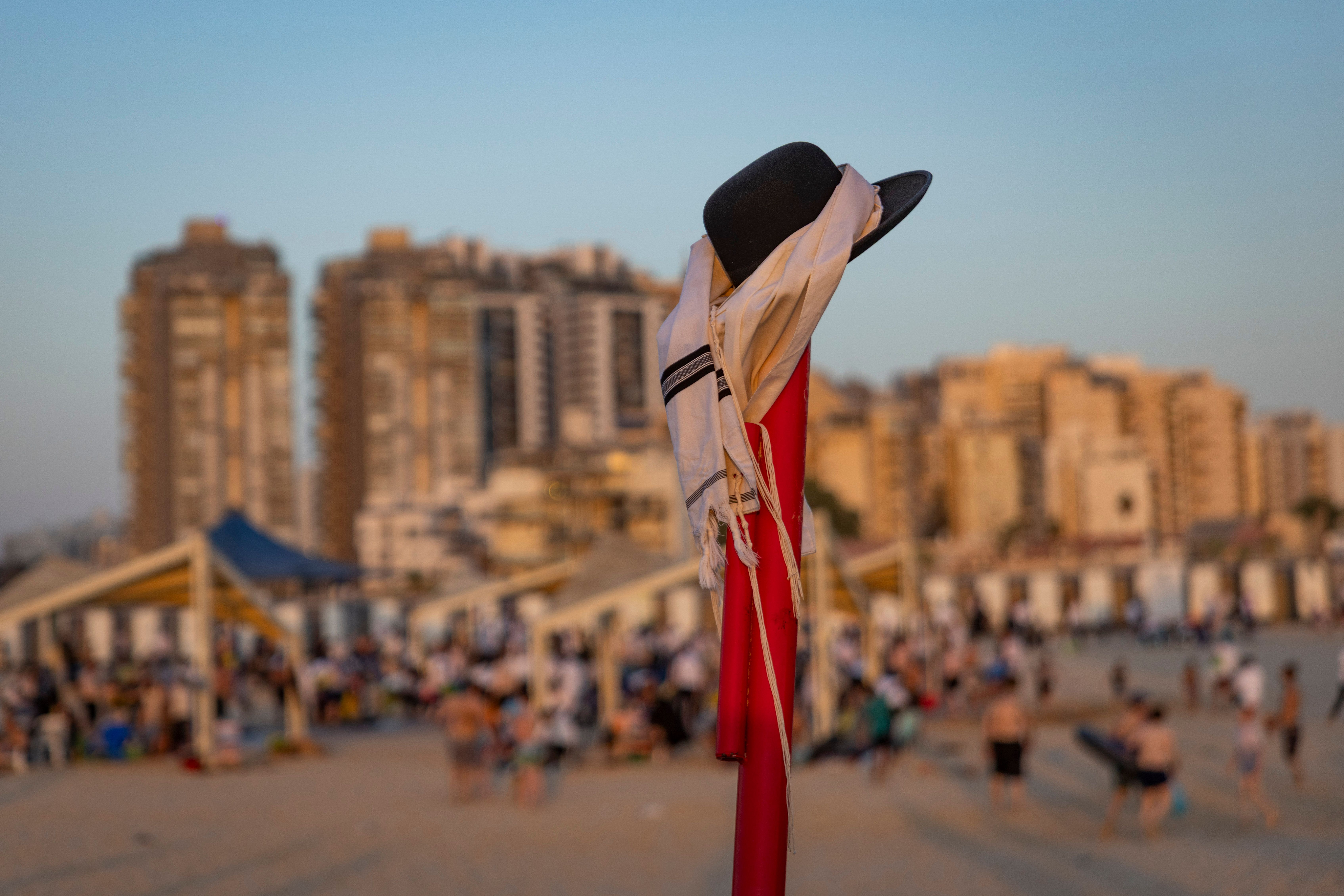
At-risk populations, backyard pools, and vacation-period dangers
MDA's primary concern is currently focused on populations unable to express distress independently. "The at-risk populations are young children and infants who can't speak, alongside people with disabilities and the elderly," Dr. Butner points out. "If they can't say 'I'm hot' or 'I'm thirsty,' we must look after them several times over."
Additionally, MDA has identified a spike in incidents during the "bein hazmanim" (between-terms) school vacation period in the ultra-Orthodox community, when tens of thousands of families and young people go on vacation and trips. The most worrying phenomenon this season isn't just the heat, but drowning cases.
"We're seeing more drownings in unsupervised water sources—private pools, inflatable backyard pools, vacation rental pools, and beaches without lifeguards," the chief paramedic warns. Data indicates a significant increase in such cases in recent weeks.

"Getting a tan" during peak hours? "The unhealthiest thing there is"
Dr. Butner also expresses concern about popular trends among teenagers who go out in the sun during peak hours to get a tan. "There's a trend to seek out the hours when the UV index is highest in order to 'catch color.' This is the unhealthiest thing there is, and it must not be done," he emphasizes.
Regarding clothing, he recommends wearing short garments, a hat, and of course avoiding sun exposure. Light, ventilated clothing is preferable. "The clothes we wear directly affect our condition on hot days."
What to do in real time? Emergency instructions
If you encounter someone showing signs of distress, dehydration, or heat stroke, MDA instructs the following steps:
Immediate call to emergency services: Even if the situation seems mild, you must call MDA's emergency hotline. Dispatchers will send a medical team while simultaneously providing life-saving medical instructions in real time.
Cooling and shade: Move the victim immediately to a shaded, air-conditioned location, loosen tight clothing, and wet the body. Important: do not wet the face to prevent choking hazard.
Controlled drinking: Give cold drinks only if the victim is fully conscious, not confused, and not suffering from nausea or vomiting. If in doubt—do not give drinks until the medical team arrives.
MDA emphasizes that awareness of the dangers and the ability to identify early warning signs can save lives. "We call on the public to be vigilant, follow safety rules, and not rely on dangerous myths."