Saudi Arabia is bracing for imminent, coordinated attacks from Iranian-backed groups operating in both Iraq and Yemen, according to a senior Saudi official who disclosed the threat to CNN on Thursday. The warning reflects escalating regional tensions following months of intermittent strikes across the kingdom and signals deepening concern about a potential two-front assault on critical energy, port, and aviation infrastructure.
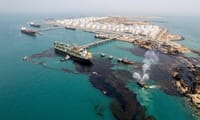
According to the official, who spoke on condition of anonymity, multiple intelligence reports from Saudi Arabia, the United States, and other regional partners indicate that Iraqi militias and Yemen's Houthis are planning to attack the Gulf nation "in the very near future" under the supervision of Iran's Islamic Revolutionary Guard Corps (IRGC). The official noted that intelligence reports indicated civilian and economic sites could be targeted, including energy infrastructure, ports and airports.
The Saudi official described the planned operations as an attempt to strike "from the north and south," reflecting coordination between pro-Iranian groups in Iraq and the Houthi movement in Yemen. He stated that Saudi Arabia had also observed drones and missiles being moved, suggesting coordinated operations from both directions. According to the intelligence assessments, meetings have taken place between commanders of Iraqi militias, Houthi leaders, and IRGC officials to plan the synchronized campaign.
The threat warning arrived one day after the Houthis claimed responsibility for striking a Saudi oil tanker in the strategic Gulf of Aden. The Houthis said Wednesday they had targeted the Saudi oil tanker "Daisy" with a ballistic missile in the Gulf of Aden, saying the tanker was hit and "forced to turn back." Earlier the same day, the group claimed a separate attack on another Saudi tanker, the Wafa, off the port of Yanbu in the northern Red Sea.
The Wednesday incident marked an escalation in the Houthis' declared "blockade-for-blockade" policy against Saudi Arabia. Houthi forces said they are closely monitoring Saudi oil tankers and will block their passage through the southern and northern Red Sea until what they call a blockade on Houthi-controlled areas of Yemen is lifted.
In the Wednesday attack in southern Saudi Arabia, the Houthi strikes resulted in civilian casualties. According to the Saudi-led coalition statement, 11 civilians were wounded in the strike on southern Saudi territory near the Yemeni border. Those injured included seven Saudi nationals, among them a woman and a four-year-old child with second-degree burns, as well as a Yemeni citizen, two Egyptian nationals, and one Pakistani worker.
Despite the explicit threat intelligence, the Saudi official indicated that Riyadh intends to continue diplomatic efforts to reduce regional tensions. The official said the reported threats were particularly alarming as Riyadh continued to pursue de-escalation and a negotiated settlement, adding that contacts with all parties, including Iran, and mediation efforts appeared to be moving "in the right direction." He characterized the planned attacks as potentially intended to derail diplomatic progress, and suggested they might reflect internal power struggles within Iran itself.
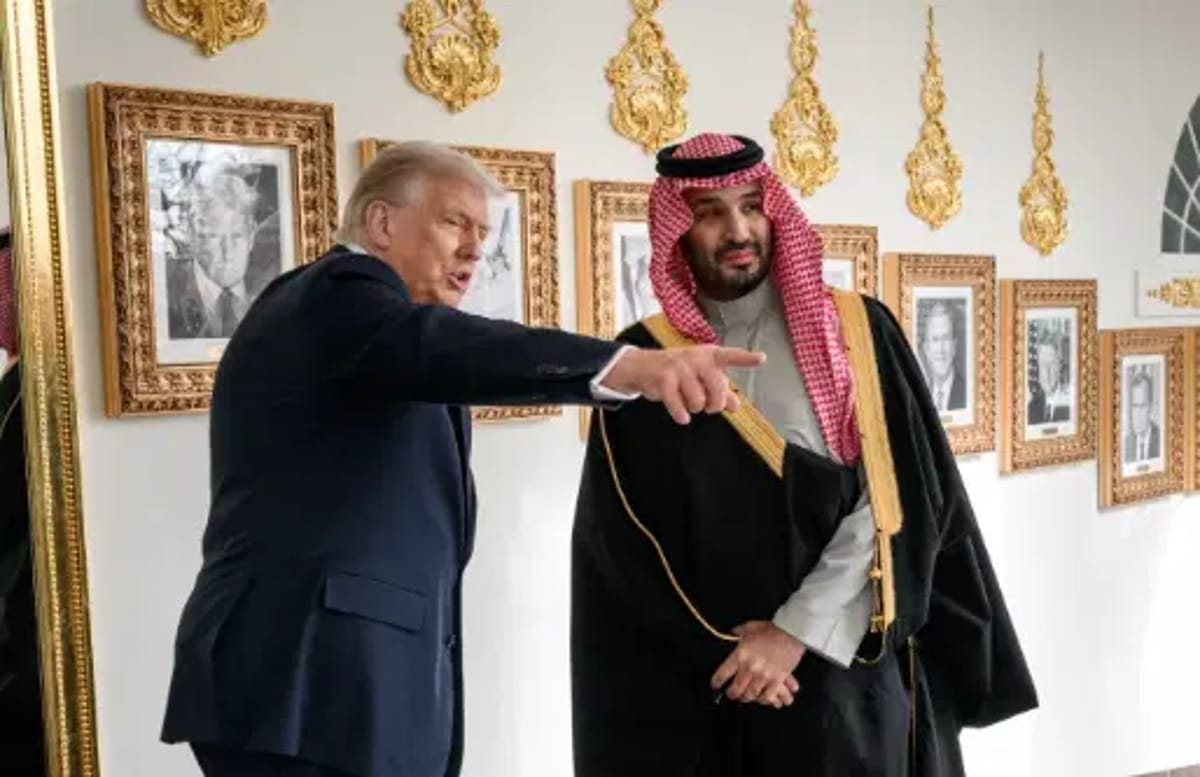
The Saudi warning comes amid preparations for a significant security initiative. On Friday, Saudi Arabia is scheduled to formalize a trilateral defense agreement with Turkey and Pakistan in Jeddah. Turkish President Recep Tayyip Erdoğan is scheduled to arrive for a one-day working visit on August 7, where he will meet Saudi Crown Prince and Prime Minister Mohammed bin Salman and Pakistani Prime Minister Shehbaz Sharif. Pakistani Prime Minister Shehbaz Sharif and Army Chief Field Marshal Asim Munir arrived in the kingdom Thursday and are expected to remain through Saturday.
The emerging three-nation pact builds on existing bilateral ties. The new trilateral accord builds on the Strategic Mutual Defence Agreement signed between Saudi Arabia and Pakistan in September 2025, which states that any aggression against one country is considered an aggression against both. The new agreement is expected to establish structured frameworks for joint military exercises, defense technology transfers, industrial production, and intelligence sharing among the three nations.
The threatened Saudi Arabia has found itself under sustained pressure from Iran-aligned actors for months. In recent weeks alone, the kingdom has absorbed numerous drone and missile attacks originating from Iraqi territory, as well as intermittent Houthi strikes across air and maritime domains. Saudi Arabia had also observed drones and missiles being moved, suggesting coordinated operations from both directions, underscoring the challenge of mounting a unified defense against threats emanating from multiple points along the kingdom's borders.
Despite the imminent threat, Saudi Arabia was prepared to take all necessary measures to respond to any aggression, according to the official. He further emphasized that Saudi-US cooperation remained "very high" at all levels, including operationally with US Central Command (CENTCOM), indicating that American military support would be available should a coordinated assault materialize.
Tensions between Saudi Arabia and the Houthis have escalated dramatically in recent weeks. On July 20, the Iran-aligned movement announced a maritime ban on Saudi-linked shipping in the Red Sea, citing what it described as a Saudi blockade on Houthi-held territories in Yemen. The group has since claimed multiple attacks on Saudi vessels, energy installations, and airports, while the Saudi-led coalition has resumed limited airstrikes against Houthi military targets in northern Yemen.
The emerging security architecture among Saudi Arabia, Turkey, and Pakistan appears designed to address precisely the kind of multi-vector threat now facing the kingdom—coordinated strikes from proxy forces backed by Tehran, aimed at civilian and economic targets during a period of diplomatic uncertainty about the broader U.S.-Iran conflict and regional stability.