Economic pressure to continue
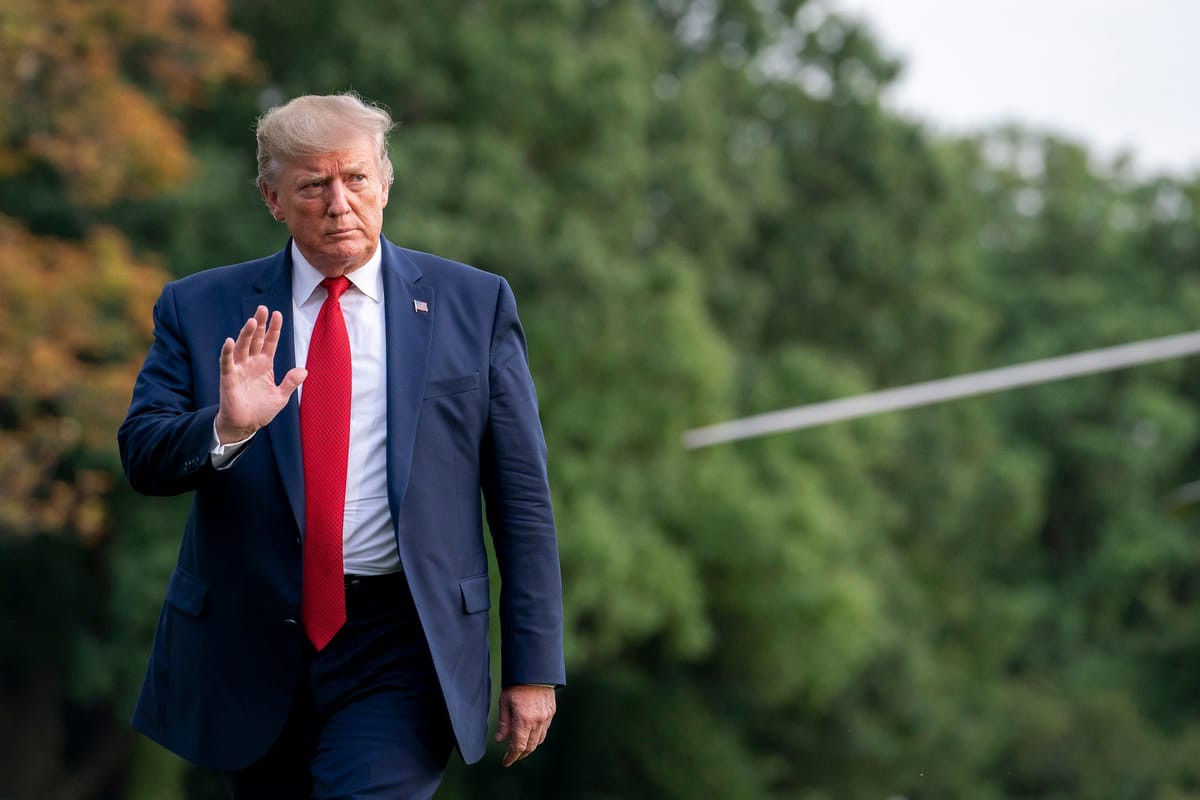
Trump has been weighing several options in recent days for dealing with Iran, including resuming strikes, intensifying economic pressure, or reaching a political settlement, according to the report.
His remarks indicate that for now, he prefers to avoid military escalation and continue with economic measures, including the naval blockade on Iran and Operation Iron Gate, designed to restrict the country's overland trade routes.
"If there is any change in developments in the Middle East, the United States of America is ready and prepared to act immediately. However, at this stage, it doesn't look like that's very likely," Trump wrote.
He added: "We're seeing positive momentum toward ending this conflict, and we'll make sure America's interests are protected at all times. With the end of this military campaign, the American people and the entire world will be much safer and more secure."
Meeting with Qatari prime minister
Trump's statements came just hours after a 45-minute meeting with Qatari Prime Minister Mohammed bin Abdulrahman Al Thani, who has been mediating between Washington and Tehran.
Vice President J.D. Vance, who leads the American negotiating team, also met separately with the Qatari premier.
According to Trump, Gulf states including Saudi Arabia, the UAE, Bahrain, Kuwait, and Qatar prefer the current situation to a return to war.
A diplomat briefed on the meeting said the president expressed willingness to give negotiations another chance, but warned that if Iran does not show seriousness in the talks, the United States may choose a different path.
Trump himself sounded relatively optimistic, saying the Iranians are "speaking very politely" and that there is "a good chance we can bring this to an end." "I hope we can reach a deal with them," he added.
Iran responds: "US must surrender"
Tehran was quick to dismiss the American president's remarks. Mohsen Rezaei, secretary of Iran's Supreme National Security Council, issued a sharp response claiming the war "crushed the American administration."
Rezaei called Trump's talk of a possible deal "imaginary" and demanded that the United States accept Iranian conditions for ending the conflict.
Trump's statements come days after he acknowledged that the Iran war was one of the factors behind the Republican Party's loss in the midterm elections. Now, while the military option remains on the table, it appears the president is seeking to exhaust the diplomatic channel first.