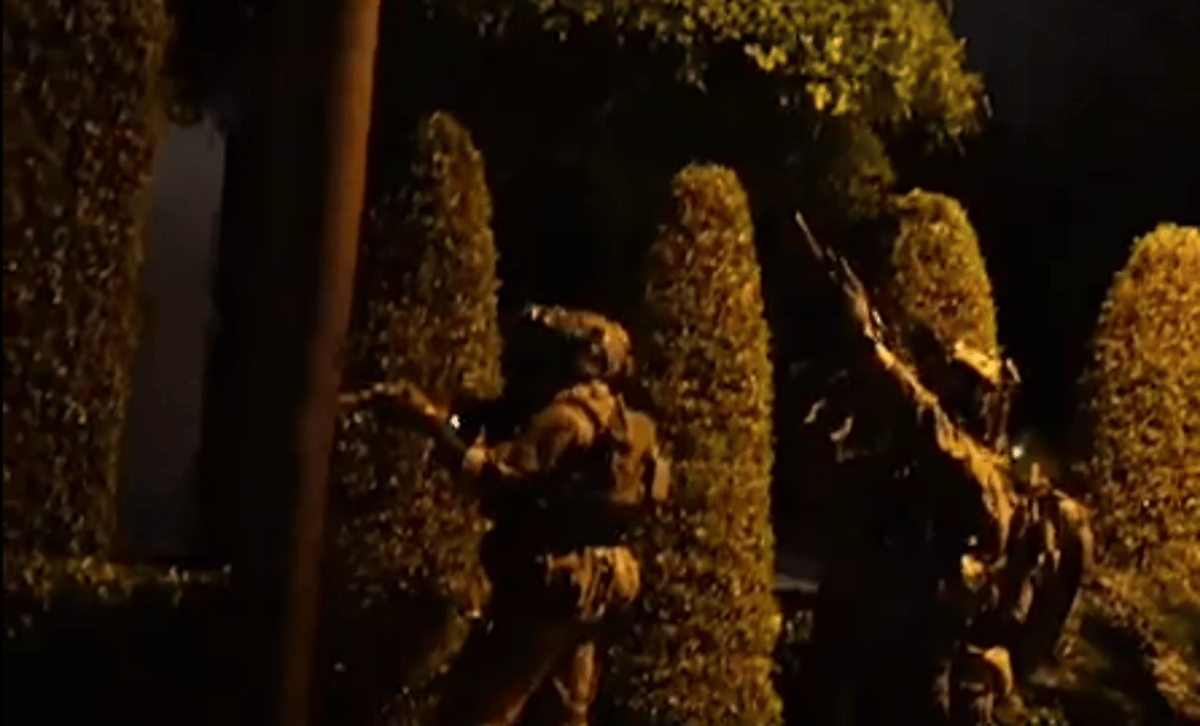
Adam Isacson, a security expert at the Washington Office on Latin America research institute, described the events as highly unusual. He said that if the current model of operations in Ecuador expands to other countries in the region, it could drag American soldiers into direct combat with armed crime cartels.
US Southern Command, meanwhile, declined to provide operational details, but said the joint operations "demonstrate Ecuador's determination to confront regional threats". This involvement joins a series of aggressive moves the US has taken in recent months.
Ecuador, sandwiched between the world's two largest cocaine powers, Colombia and Peru, has found itself in recent years at the heart of the terror and crime map. Murder rates in the country are soaring and have become the highest on the entire continent.
Ecuador's president, Daniel Noboa, has consistently demanded international assistance. In his speech this week to the UN General Assembly, he declared: "No country can defeat alone an enemy that recognises no borders."
Noboa has positioned Ecuador as one of the central partners in the Trump administration's regional security alliance "Americas Shield", designed to eradicate crime and terror organisations in the Western Hemisphere. During a recent visit to the capital Quito, US Secretary of State Marco Rubio confirmed that American elite forces are already operating on the ground shoulder to shoulder with the Ecuadorian military in the war against drug cartels.