Get our mobile app
Download on the App StoreGet it on Google Play

Health & Wellness

Four habits for a longer, healthier life

The longevity approach shifts focus from simply living longer to living better, here's what the science says about slowing aging through diet, exercise, sleep and stress reduction

Living in the moment / Photo: Shutterstock

The term sweeping the health world over the past year, appearing even in health-fund advertising, isn't another passing diet or temporary fitness trend. It's called longevity, and it represents a fundamental shift in how health-conscious people approach aging.

Until now, modern medicine focused primarily on extending lifespan, how to help us live as long as possible, sometimes at the cost of years spent managing chronic illness, medications, and declining quality of life. The longevity field, by contrast, centers on a different measure: healthspan.

The goal isn't just to add years to life, but to add life to years, maintaining a strong body, sharp mind, and high vitality at eighty, ninety, and beyond.

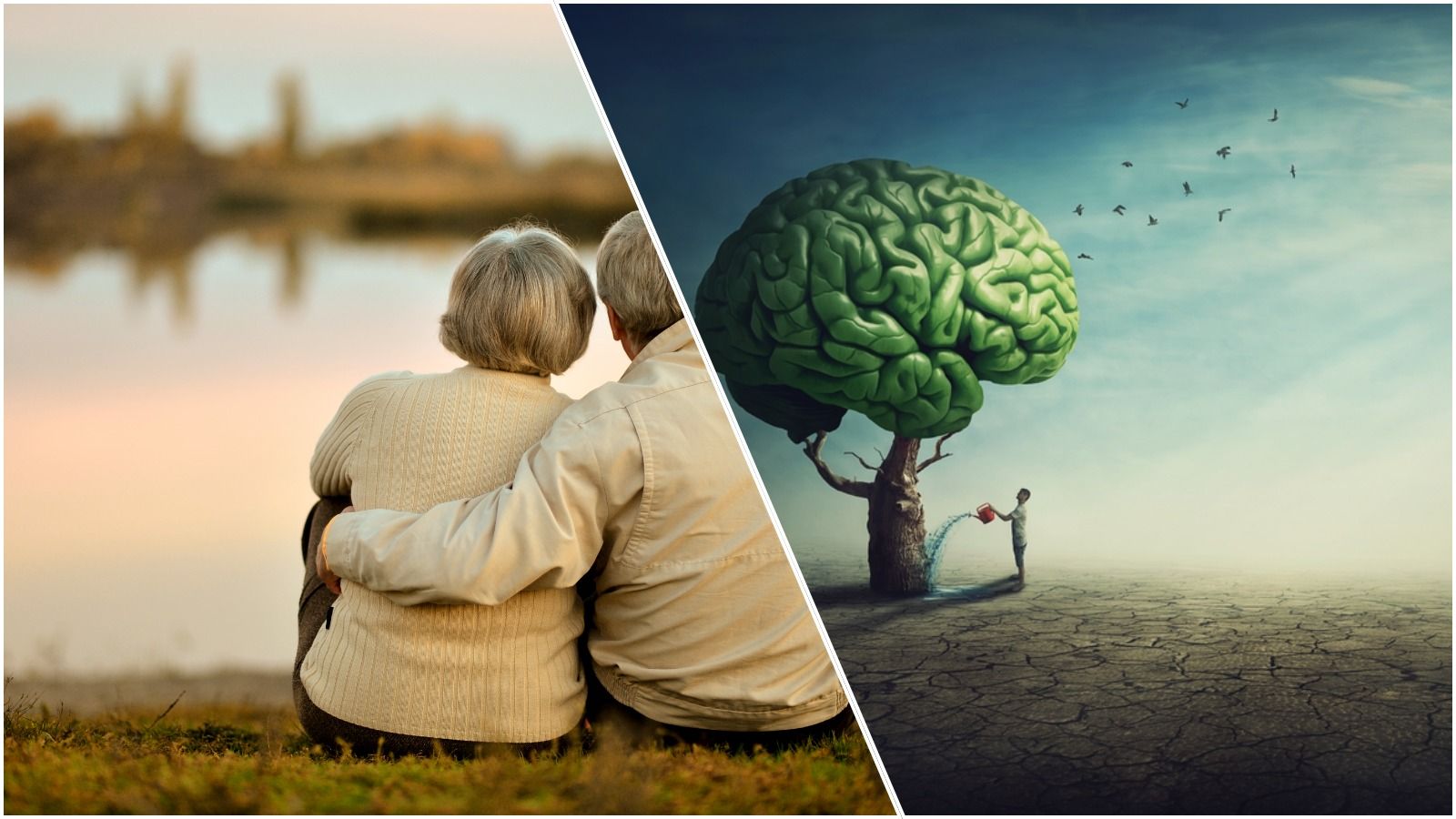
Growing older doesn't mean growing weaker
Growing older doesn't mean growing weaker (Photo: Illustration DustandAshes / Shutterstock)

Cellular spring cleaning

The scientific foundation of longevity rests on the understanding that aging isn't an inevitable decree, but a biological process that can be slowed and sometimes even reversed.

Leading researchers worldwide have found that the accumulation of cellular damage, chronic low-grade inflammation, and declining efficiency of cellular power plants (mitochondria) are primary drivers of age-related disease.

Through precise lifestyle changes combined with advanced technologies, the body's natural mechanisms can be activated, including a process called "autophagy," in which cells clean themselves of waste, repair their components, and renew their function.

Fasting, exercise, water and healthy eating can transform aging
Fasting, exercise, water and healthy eating can transform aging (Photo: PR / Shutterstock)

Four steps to longevity

Implementing longevity principles in daily life doesn't require sophisticated lab equipment or drastic changes to normal routines. The core shift begins with four new habits:

Mindful nutrition and intermittent fasting: Emphasis on a diet rich in plant-based nutrients and healthy fats, with significant reduction in processed foods and sugars. "Fasting windows" (such as 16/8 fasting, in which you fast for 16 hours daily but may drink water, tea and unsweetened black coffee, concentrating all meals into an eight-hour window such as 11 a.m. to 7 p.m. or 1 p.m. to 9 p.m.) give the digestive system rest and accelerate cellular cleaning processes.

Smart training, endurance alongside strength: The winning combination of low-to-moderate intensity aerobic activity (known as "Zone 2," such as brisk walking or cycling) to strengthen the heart and metabolism, together with resistance training and muscle building, critical for preventing loss of muscle mass and bone density. Controlled protein intake can also complement training, but consultation with specialists is recommended first.

Quality, uninterrupted sleep: Sleep is the body's central recovery window. During deep sleep, the brain clears toxins and the body releases hormones essential for rebuilding.

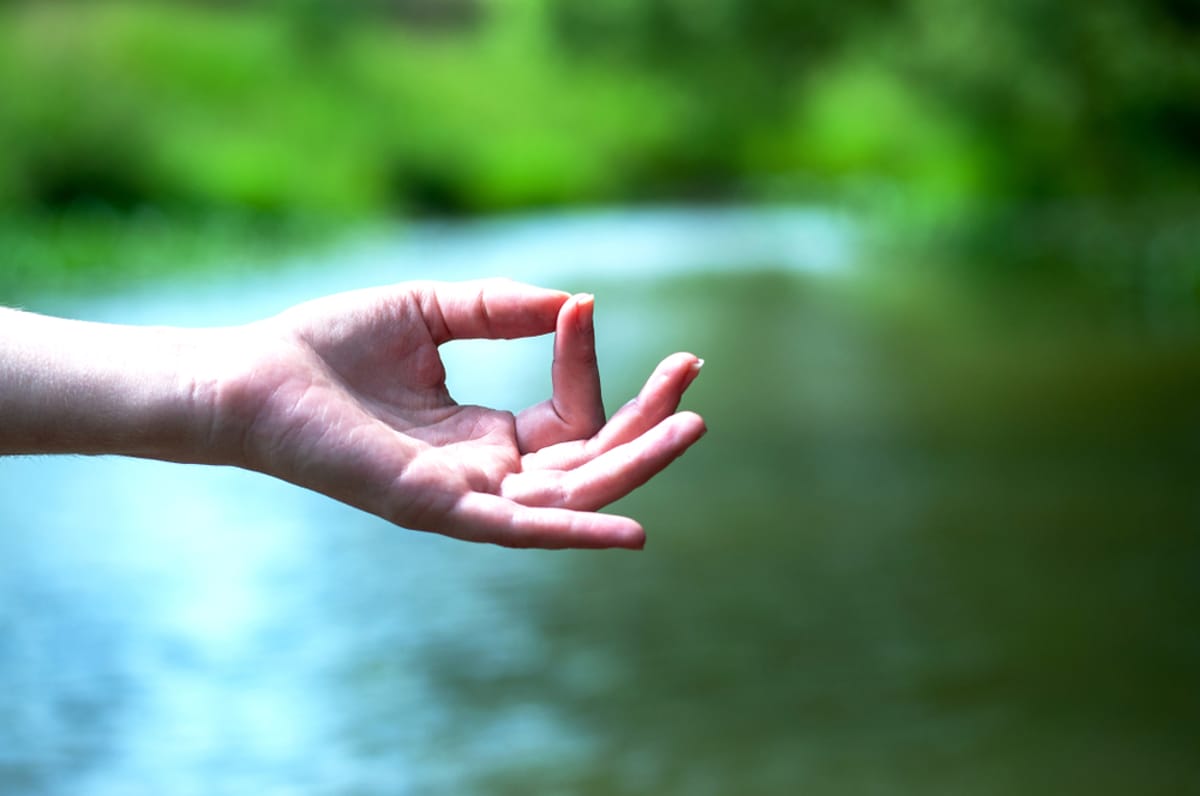
Mental resilience and stress reduction: Chronic stress accelerates aging at the cellular level. Breathing techniques, prayer, meditation and time in nature, such as yoga, mindfulness and solitude, aren't just good for the soul. They slow the rapid biological pace of modern life and provide lasting calm and peace.


Long, healthy lives in Japan and Greece
Long, healthy lives in Japan and Greece (Photo: Shutterstock)

The Blue Zones: living to 100

Fascinating research in the field tracked the "Blue Zones", five regions around the world (such as Ikaria in Greece or Okinawa in Japan) where the percentage of people reaching 100 in good health and active condition is markedly higher than the rest of the world.

Researchers discovered that beyond the Mediterranean diet and natural movement throughout the day, the most striking common denominator was a sense of meaning and community. Strong social connection, maintaining family ties, and a sense of daily purpose have been proven in studies to directly impact longevity—a component that connects well with our own values and tradition.

From reactive to preventive medicine

The longevity world points to a much broader conceptual shift: the move from medicine that waits for disease to appear, to preventive and personalized medicine. As technology advances, comprehensive blood tests, real-time monitoring of metrics, and tailored supplements are becoming more accessible to the general public.

The bottom line: healthy longevity doesn't depend on a single magic pill, but on a collection of small decisions we make anew each day.

Investment in physical and mental health, in nutrition and in regular physical and spiritual training today is the best guarantee for quality of life tomorrow.

Ready for more?

Join our newsletter to receive updates on new articles and exclusive content.

We respect your privacy and will never share your information.

Enjoyed this article?

Yes
No
Follow Us:

Unmissable content


Loading comments...

Also of Interest