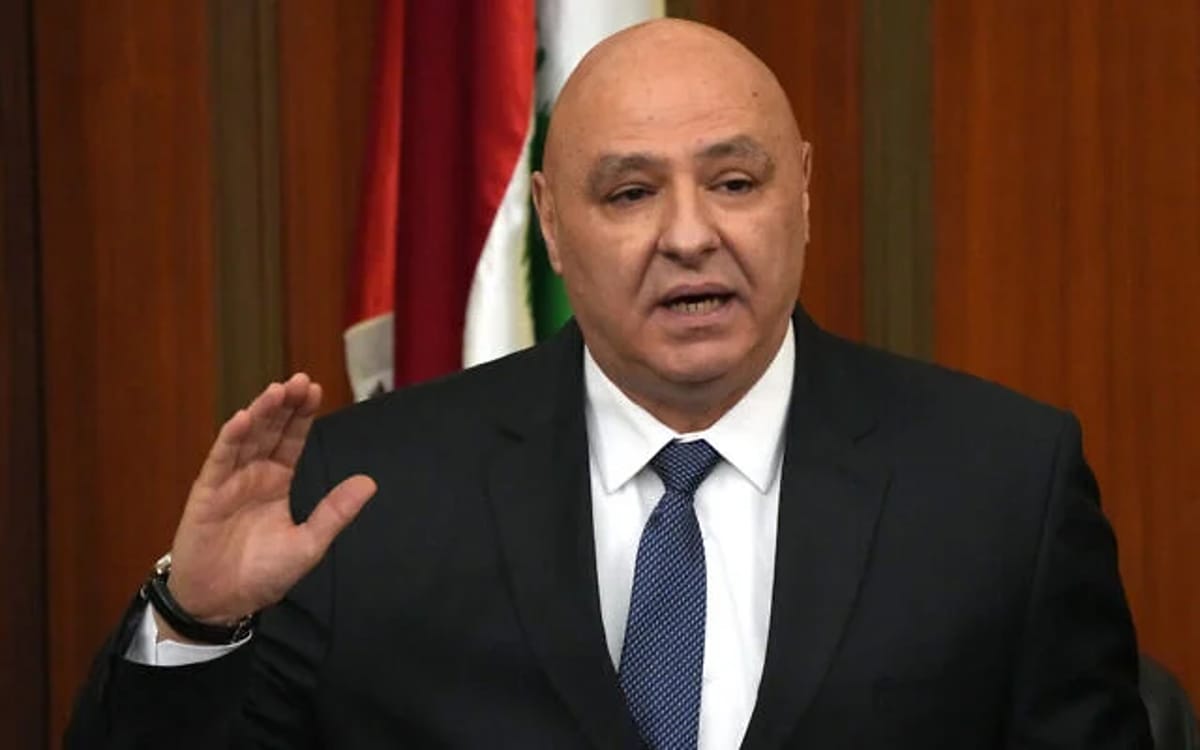
The diplomatic channels attempting to resolve the intense border war have encountered a rigid framework established by the leadership in Beirut. President Joseph Aoun broke his silence during an interview with Western media outlets, outlining the definitive parameters that will govern his administration's approach to the ongoing negotiations. The Lebanese leader emphasized that while his team is actively engaged in the mediation process, they have established clear boundaries that will not be compromised under any circumstances.
The head of state sought to manage expectations regarding the ultimate scope of the diplomatic track, making it clear that the current discussions should not be confused with historical regional alliances. Aoun stated that the framework under review is strictly an agreement of non aggression designed to establish mutual coexistence and eliminate cross border hostilities, rather than a pathway toward formal normalization or integration into the Abraham Accords. He confirmed that his government is currently waiting for a formal response from Jerusalem regarding the revised security clauses.
The President introduced a strict prerequisite for any future diplomatic progress, declaring that no direct contact or meetings with Benjamin Netanyahu will take place until a comprehensive text is fully agreed upon and signed by both parties. Furthermore, Lebanese authorities have ruled out any face to face interactions between representatives as long as active military operations continue to impact sovereign territory. This disciplined approach is intended to preserve the state's leverage while foreign intermediaries manage the exchange of proposals.
Despite the rigid public stance, the diplomatic initiative has received a significant boost from an unexpected domestic source. Nabih Berri, the influential speaker of the parliament who maintains critical ties with local armed factions, has reportedly shifted his perspective and is preparing to issue a public endorsement of the proposed non aggression framework. Berri had previously demonstrated severe hesitation regarding the strategic implications of the deal, but observers note that he has increasingly distanced himself from radical factions to prioritize national stabilization.
The alignment between the presidency and the parliamentary leadership represents a major milestone that could streamline the eventual ratification of the border agreement. International mediators operating under the direction of the White House are utilizing this internal consensus to push for an immediate reduction in violence. However, the operational reality remains fragile, as both sides of the war continue to maintain high levels of readiness while the final details of the security architecture are evaluated by their respective legal teams.