The technical dimensions of armored warfare in the northern theater have changed following a specialized military investigation into a recent fatal operational failure. Senior tactical analysts have concluded a preliminary review of a high profile battlefield loss that resulted in multiple casualties among senior command personnel. This detailed technical assessment reveals how unconventional airborne threats are presenting unprecedented challenges to even the most sophisticated defensive armor systems deployed in the ongoing regional war.
The Israel Defense Forces officially confirmed on Sunday, June 28, 2026, that a preliminary inquiry into the deaths of Lieutenant Colonel Dor Gedalia Ben Simchon and three accompanying crewmen proved their vehicle was struck by an explosive drone. The catastrophic incident occurred on Friday, June 19, 2026, near the strategic Ali Taher ridge located within southern Lebanon. The military apparatus clarified that the critical event remains under active investigation while the updated technical findings are being processed by regional command centers.
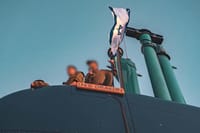
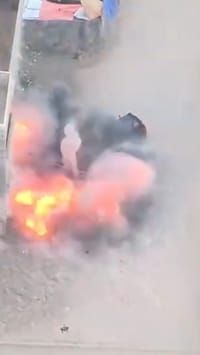
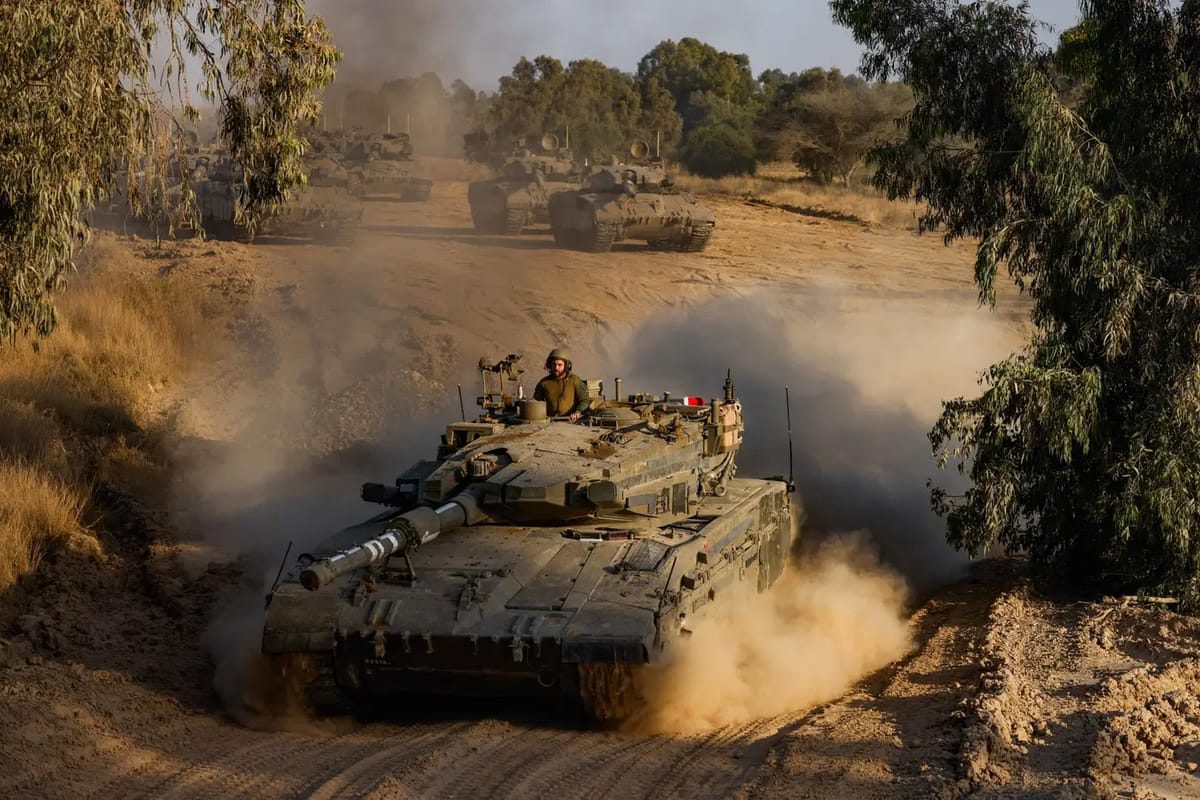
Initial tactical field dispatches originally suggested that Hezbollah operators had launched advanced Kornet anti tank guided missiles to disable the vehicle. However, joint investigation teams from the 36th Division and the Armored Corps discovered that a suicide drone carrying an anti tank warhead, likely an RPG, targeted the rear left flank of the Merkava Mark 4 main battle tank. The precision airborne asset struck the external fuel cell directly, igniting an immediate, massive fire that breached the hull and detonated stored ammunition directly inside the crew compartment.
The tragic incident resulted in the immediate deaths of all four service members positioned within the targeted mobile command post. The fallen soldiers were identified as the 52nd Battalion Commander, Lieutenant Colonel Dor Gedalia Ben Simchon, alongside Staff Sergeant Neveh Chavshush, who served as the gunner, Staff Sergeant Yoav Klein, who acted as the loader, and Staff Sergeant Liav Kavavia, who operated the vehicle as the driver. Military representatives have completed the difficult task of delivering the detailed ballistic findings to the respective bereaved families.
The severe outcome of the strike has prompted specialized engineering units within the Armored Corps to initiate an intensive performance review of local active protection capabilities. Technical teams are specifically examining the operational metrics of the Windbreaker active defense system, known internationally as Trophy, to understand why the automated radar arrays failed to intercept the low flying aerial threat. The IDF Spokesperson summarized the ongoing administrative position regarding the loss, stating that the incident is under investigation, the information was delivered to the families, and the IDF shares in the grief of the families and will continue to accompany them.