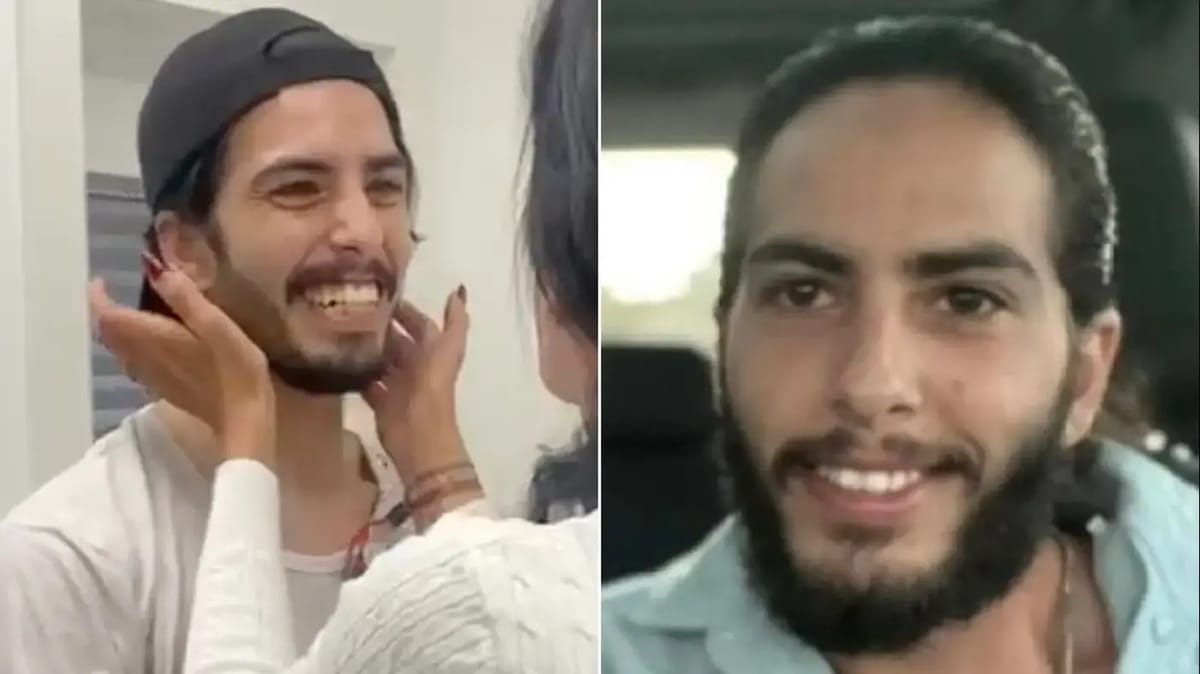
The emotional return of a freed captive has transformed into a high-stakes legal battle, exposing severe procedural failures inside government-controlled repatriation facilities. A prominent family member has initiated a substantial civil action against national security administrators, alleging systematic mistreatment during a highly sensitive domestic reunion operation.
Yaron Zangauker, the father of terrorism captivity survivor Matan Zangauker, filed a comprehensive civil lawsuit for 500,000 shekels against the Ministry of Defense in the Tel Aviv Magistrate Court. The legal filing covers case file number TA 85258, alleging severe violations of privacy, direct assaults on his dignity, defamation of his good name, and the deliberate infliction of acute emotional distress. The core of the lawsuit focuses on the administrative management of the specialized family reception compound established by state authorities at Reim during the official return of his son from Gaza.
According to official court documents, the father arrived at the absorption facility under a direct invitation from defense representatives to receive psychological support and logistical guidance. Zangauker claims that ministry administrators possessed clear advance knowledge regarding impending domestic friction and deep emotional tension between himself and his ex-wife, Einav Zangauker. Despite possessing this prior intelligence, the lawsuit alleges that personnel stood by and permitted his former spouse to publicly shout offensive and humiliating statements, exposing his private life to dozens of onlookers inside the facility.
The legal complaint details a systematic process of bureaucratic shuffling and intentional obstruction designed to prevent the father from greeting his newly liberated son. Zangauker claims that the Head of the IDF Personnel Directorate personally promised him that if he vacated the central compound to avoid public confrontation with his ex-wife, military escorts would immediately transport Matan to a secondary private room for a quiet reunion. Relying entirely on this high-level military commitment, the father voluntarily relocated to an isolated administrative office nearby.
Instead of the promised reunion, the father was allegedly left completely abandoned by staff for a grueling three-hour period inside the locked office space. Zangauker described the psychological weight of the isolation in the formal text, stating that "I was kept like an animal in quarantine" while waiting for information. At the conclusion of this lengthy delay, ministry representatives entered the room and informed him that his son preferred not to see him, an announcement the father labeled highly suspicious, deeply humiliating, and spiritually devastating.
The defense establishment has formally responded to the legal challenge through a written brief sent to the plaintiff's legal representative, Attorney Mary Aviv. The Ministry of Defense completely rejected all allegations of misconduct, insisting that field personnel acted with total professionalism under extreme pressure. Government representatives stated that "the conduct of the military elements on the ground was carried out with sensitivity, proportionality, and with the utmost consideration for the various complexities of the event."
Furthermore, the state clarified that it cannot legally or logistically regulate personal statements made by private citizens during emotional crises. The ministry's official response emphasized that it bears zero responsibility for the individual actions or public outbursts of Einav Zangauker, noting that those matters remain within her exclusive personal accountability. The complex civil case is now moving toward formal court hearings in Tel Aviv as judges prepare to review the precise boundaries of state care during hostage reception protocols.