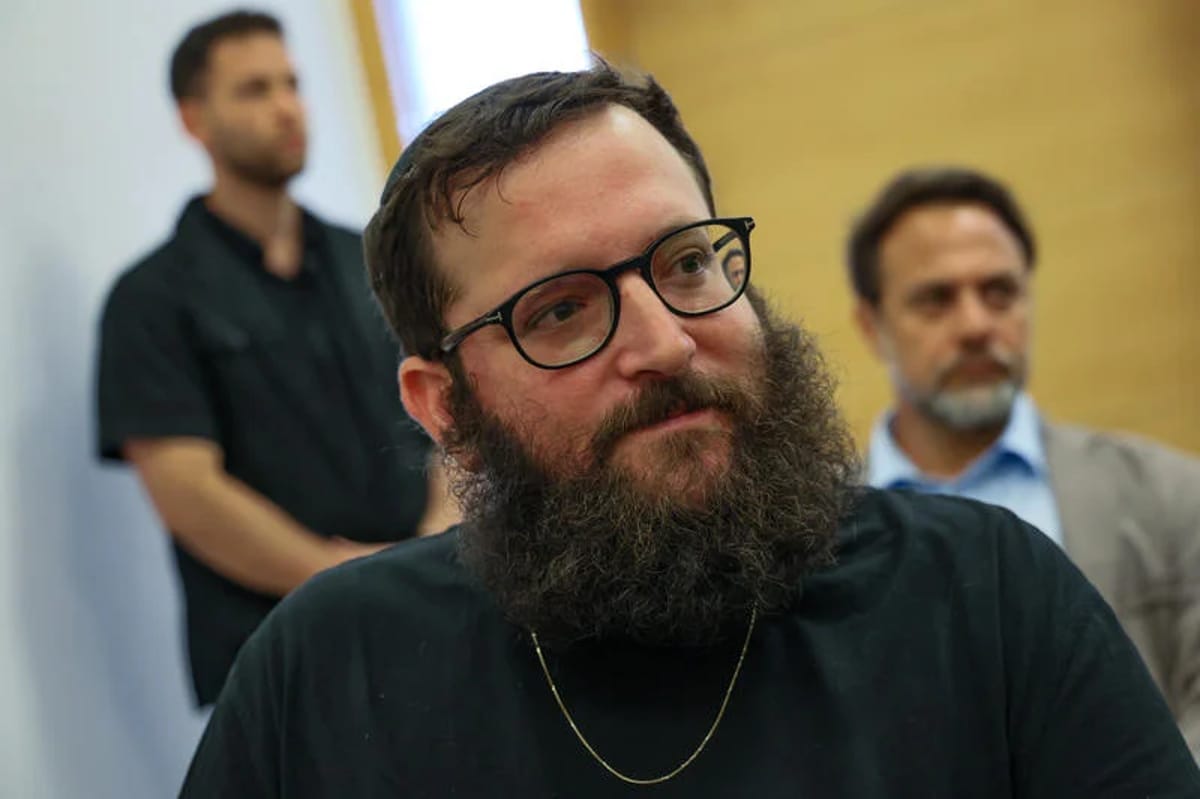
A Tel Aviv district court Thursday rejected a prosecution request to bar Netanyahu communications adviser Yonatan Urich from contact with Prime Minister Benjamin Netanyahu, delivering a significant setback to state prosecutors in a high-profile classified documents case.
The Central District Prosecution filed an amended indictment Thursday morning charging Urich as the third central defendant in the case, which centers on the alleged leak of classified documents to the German newspaper Bild. Urich faces a series of serious security offenses including two counts of transmitting classified information with intent to harm state security, transmitting classified information, possessing classified information, and destroying evidence.
Judge Alaa Masarwa of the Tel Aviv District Court rejected the prosecution's request to impose restrictive conditions on Urich, including full removal from the Prime Minister's Office and all security facilities, ruling instead that Urich may maintain contact with Netanyahu.
Defense attorney Amit Hadad, who represents both Urich and Netanyahu, opened the hearing sharply. "For three and a half months there have been no restrictions on Urich. He speaks with the Prime Minister, he runs the Likud campaign, and now they seek to remove him again. What changed last night? They should admit they are entirely political and remove their masks." Hadad said he only learned the night before that an indictment would be filed along with a request for restrictive conditions, calling it "clear bad faith."
Prosecutor Adi Arad pushed back, noting that Hadad represents both Urich and Netanyahu, whom she described as "prosecution witness number 80 in the thousands case," and said the office would consider filing a conflict of interest query with the bar association. Arad argued that Urich's conduct represented a fundamental breach of state security given his position and proximity to the prime minister, and pointed to the destruction of evidence charge, alleging he formatted his phone following the arrest of co-defendant Feldstein.
"These offenses on their own are typically prosecuted with the defendant in custody," Arad said. "Had the investigation developed with the evidence available at the time of the original indictment, there is no doubt we would have sought remand until the end of proceedings." She also flagged the close relationship between Netanyahu and Urich as grounds for concern over coordination of testimony, noting that Netanyahu's refusal to testify in the matter could benefit Urich.
The indictment was approved by both the Attorney General and the State Prosecutor.