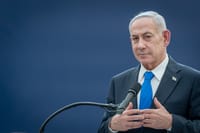
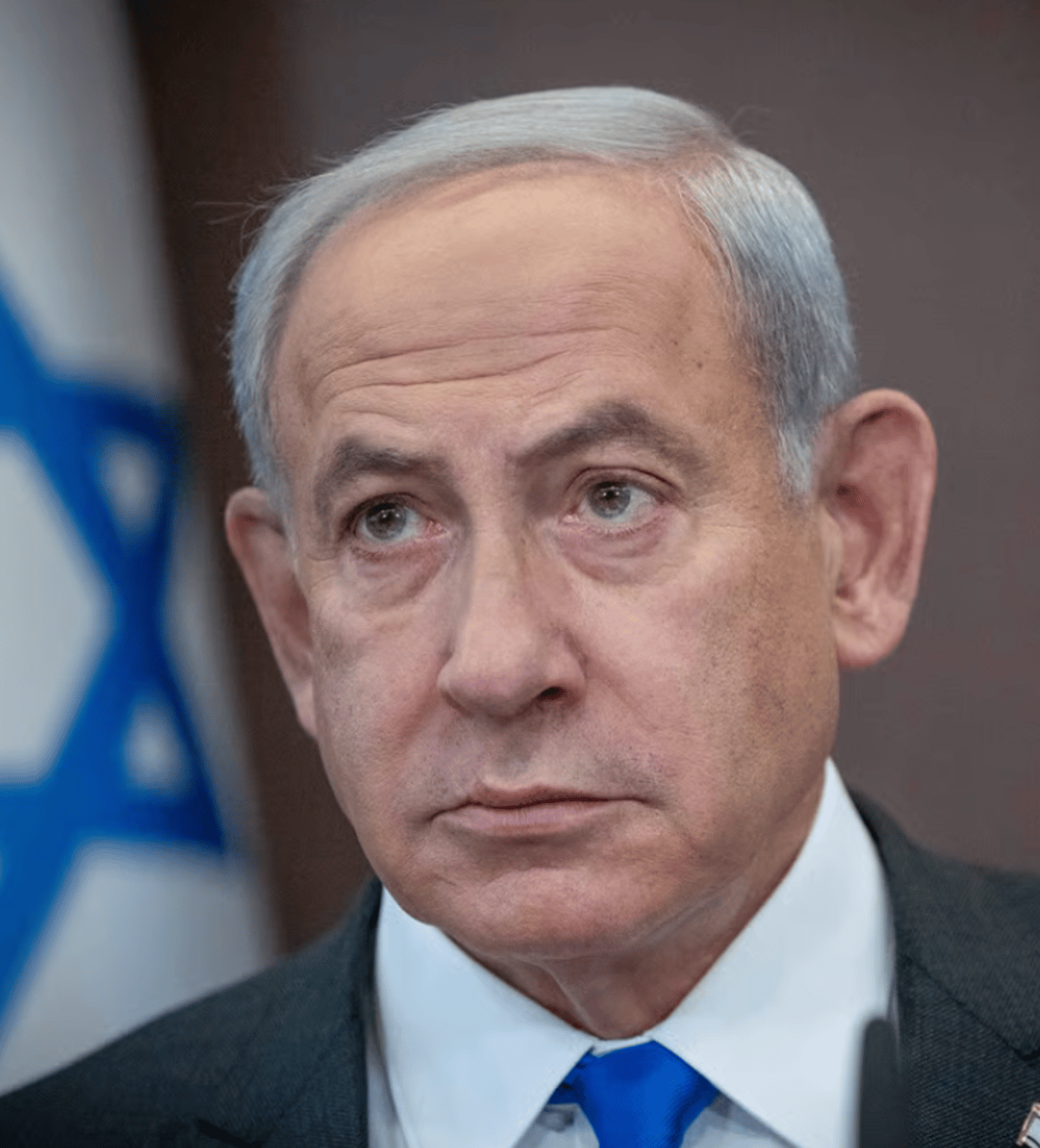
Prime Minister Benjamin Netanyahu wanted Israel's upcoming elections held as late as possible, and he got his wish. But according to a new analysis, he may have overlooked a critical detail in the calendar that could work against him at the ballot box.
Writing in Maariv, commentator Dan Perry argues that Netanyahu's strategic push to delay the election has handed his political rivals a set of visual and symbolic footholds that could prove unusually effective in the coming campaign.
The first part of what Perry describes as a political trap lies in the scheduled date itself: October 27. Perry notes that the date invites an easy and obvious graphic association for Netanyahu's opponents, since highlighting the digits 7/10 within 27/10 evokes for every Israeli citizen the day that changed the country and brought its most severe failure in memory. He argues it takes little imagination to picture how opposition campaign posters will exploit this visual device, aiming to remind the public that the man now seeking another term is the same leader who held office on that devastating day.
Beyond the numerical coincidence, Perry points to an even more symbolically loaded overlap. Election week is set to fall precisely during the week when synagogues read the Torah portion of Lech Lecha, the portion containing God's original command to Abraham to leave his land, his birthplace, and his father's house. While the phrase carries historic significance as a new beginning for the Jewish people, Perry notes that in modern spoken Hebrew, the words carry a far simpler, everyday meaning: it's time to go.
Perry writes that it is hard to imagine the opposition passing up such a golden opportunity for its campaign, suggesting that the slogan "Lech Lecha, Bibi," meaning roughly "get going, Bibi," is such a catchy and obvious message that it practically writes itself. He closes with a wry note that anyone who looks deeper into the portion will even find Netanyahu's wife Sara referenced by name within the same text, which he calls further evidence of what he terms the wonders of divine timing in Israeli politics.