
Israel Elections 2026

Agudah Fights Ban on Voter Tracking System

The haredi party says it pioneered the practice decades ago to minimize Torah study interruptions. Attorney proposes three alternatives to digital tracking at polling stations.

Goldknopf votes

Agudat Yisrael submitted a detailed response Tuesday to a ruling by Judge Noam Solberg, chairman of Israel's Central Elections Committee, that prohibits political parties from documenting which voters have already cast their ballots at polling stations.

Agudat Yisrael disclosed a surprising fact: the party itself pioneered the voter tracking system more than four decades ago. In those early days, Agudat Yisrael's attorney Yustman explains, the party used what were called "thousand sheets" - paper forms containing a thousand numbered boxes. A party representative at each polling station would cross off each voter's sequential number, and runners would collect the sheets to update regional campaign headquarters.

Solberg
Solberg (Photo: Yonatan Sindel / Flash90)

The party's filing explains the central motivation behind this elaborate system: yeshiva students. "Many of our voters are yeshiva students engaged in Torah study, for whom avoiding interruption of their learning is a supreme value," the document states. The ability to know who has voted allows the party to direct voters to polling stations during off-peak hours, thereby preventing long lines and preserving precious study time.

Over the years, as technology advanced, the tracking shifted to specialized kosher mobile phones, with representatives entering sequential numbers into a computerized system. The method became more efficient, but the underlying principle remained unchanged, enabling yeshiva students to vote with maximum efficiency and minimal interruption to their Torah study.

Yustman challenged Judge Solberg's characterization of the tracking tool as "a small tool, one of many and not the most important among them." According to the attorney, this assessment is fundamentally flawed. Election day represents the culmination of massive resource investment, and the voting process itself, lasting just minutes, is critical to ensuring the party's success.

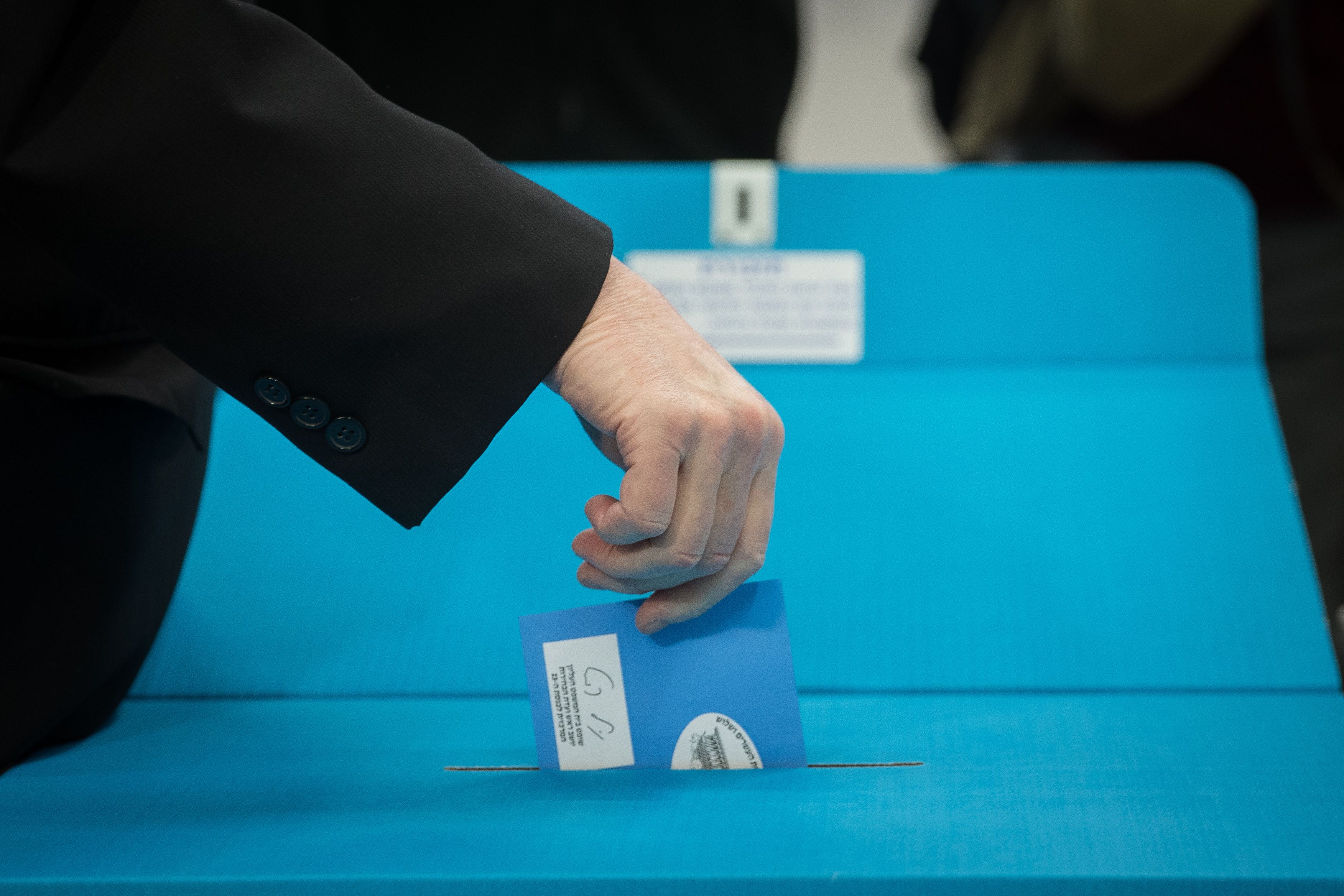
Ballot box
Ballot box (Photo: Yonatan Sindel/Flash90)

To demonstrate that the tool is far from negligible, Yustman cited revelations that the Likud party invests approximately 2 million shekels in its "Elector" application. "As our sages said, 'the money speaks,'" the response notes. "One does not invest such a substantial sum in a marginal or peripheral tool." For a party like Agudat Yisrael, whose voters are organized in tight-knit communities, this tool represents the most central element in managing election day operations.

The response devotes considerable attention to what the party describes as confusion between the concepts of "privacy" and "secrecy."

While the legislature itself permits certain intrusions into voter privacy during election periods, such as providing voter registries to parties and allowing political text messages, the concept of secrecy relates solely to the question of for whom a person voted, not whether they voted at all.

To illustrate this distinction, Yustman offered an everyday example: "A person standing in line at a bank behind his neighbor who lives on the floor above him — we know he was at that specific bank. Is secrecy maintained? Certainly, as long as the person standing behind him doesn't know what happened in his account, whether he made a withdrawal or deposit." The same applies to elections — the mere fact of arriving at a polling station is not secret and is not protected by confidentiality.

Toward the end of the document, Agudat Yisrael proposes three alternatives to address concerns about technological data leakage:

  1. Centralized implementation by the Elections Committee: Polling station secretaries would document voters using a secure application managed by the committee, with information distributed equally to all parties every few hours.
  2. Return to physical "thousand sheets": Elimination of digital systems in favor of traditional manual recording, with physical runners collecting data for party headquarters. This would prevent any concern about network data leakage. Agudat Yisrael even attached a copy of such a "thousand sheet" to its response.
  3. Voluntary reporting appendix: A identification slip would be attached to voter notifications. Voters who wish could hand the slip to party representatives outside the polling station, thereby voluntarily confirming they have completed voting.

Judge Solberg's decision is expected to particularly impact the field operations of haredi parties, which have relied on real-time reporting to identify voters who have not yet reached polling stations and encourage them to exercise their voting rights. Agudat Yisrael's response joins criticism from a senior political figure who called the decision "a grievous blow to democracy."

Ready for more?

Join our newsletter to receive updates on new articles and exclusive content.

We respect your privacy and will never share your information.

Enjoyed this article?

Yes (11)
No (0)
Follow Us:

Unmissable content


Loading comments...

Also of Interest