The political landscape of Washington has been altered by the sudden death of a long-serving legislative figure. United States Senator Lindsey Graham of South Carolina passed away at his home on Capitol Hill at the age of 71, shortly after returning from an official diplomatic trip to Ukraine. The medical emergency has triggered an immediate process to fill his vacant seat and prompted extensive reflections on his lengthy career from top political allies.
The veteran lawmaker suffered cardiac arrest on Saturday evening, which medical authorities later determined was caused by an aortic dissection stemming from atherosclerotic cardiovascular disease. Emergency medical personnel were dispatched to his residence at approximately 8:30 p.m. following a distress call regarding an individual experiencing severe chest pains. Although initial statements from his office described the event as a brief and sudden illness, the medical examiner confirmed a tear in the main artery wall, with comprehensive toxicology and microscopic tests still pending.
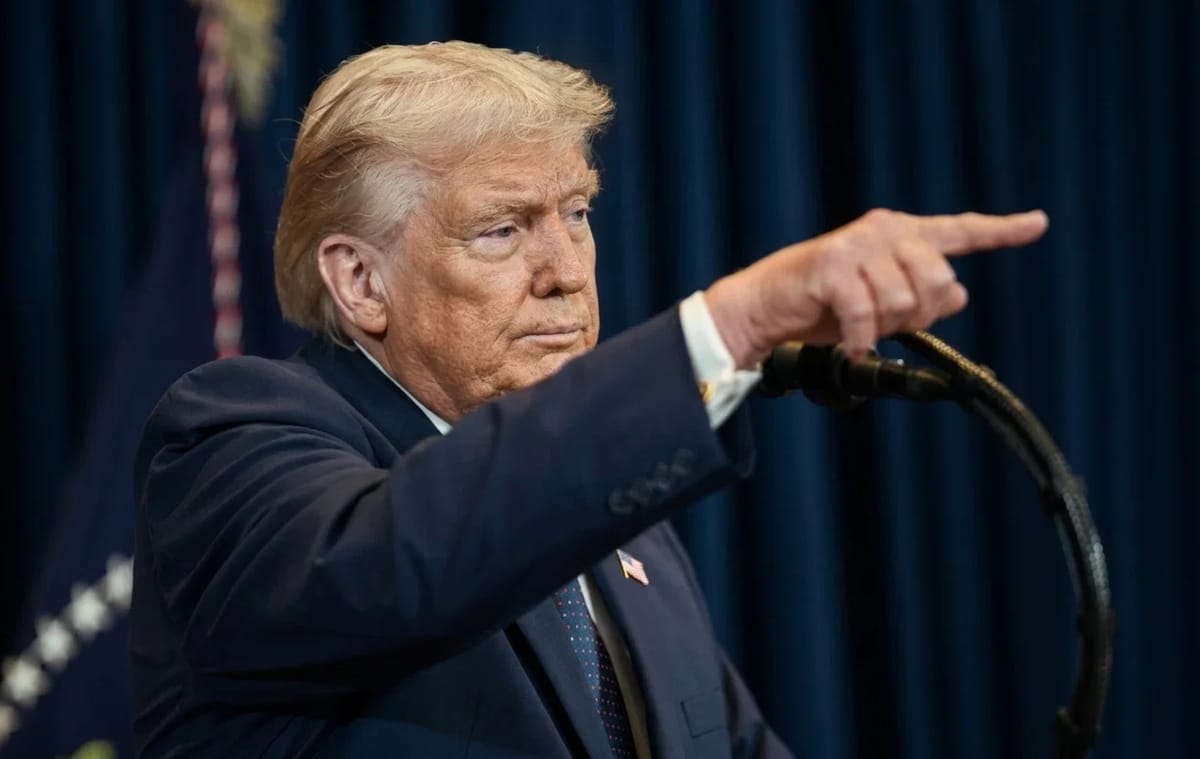
In the wake of the vacancy, President Donald Trump announced that he contacted South Carolina Governor Henry McMaster to recommend an interim successor. The president proposed that the governor appoint Graham's sister, Darline Graham, to fill the seat until the current term expires on January 3, 2027. He stated, "I recommended, to Governor Henry McMaster, Lindsey Graham’s wonderful sister, Darline, to serve as interim Senator from the Great State of South Carolina. This would be a fabulous tribute to Lindsey, who loved her dearly!"
To establish a permanent replacement, South Carolina Republicans are preparing to hold a special primary election in August to select a new nominee. The winner of that contest will advance to face the Democratic candidate in the upcoming November general election. Meanwhile, the late senator has been widely mourned across the United States and international communities, where many viewed him as an unwavering ally of foreign partnership and defense.
Reflecting on their final interaction, President Trump shared details of what may have been the lawmaker's final phone call, which occurred in the early evening hours on Saturday. He noted that the senator was highly energetic regarding current legislative initiatives, stating, "He called and he said, 'We're all set for the Save America Act.' He was pushing the Save America Act like crazy." The conversation occurred immediately after the senator landed from his lengthy international flight.
During the discussion, the veteran politician noted that he was feeling the physical effects of the long journey but remained intensely focused on his upcoming agenda. The president recalled, "He got back, said he just landed from Ukraine. I said, 'That's a long trip to make.' He sounded a little tired, but perfect, but a little bit tired." When asked if there were any physical warning signs, the president clarified, "No, he said he's a little tired. It was a long trip, many hours. And he had just gotten back. He told me, Kristen, he said, 'You know, I feel good, but I'm tired.' He was fine."
The president described receiving the news of the death at approximately 1:00 a.m. from the senator's staff, expressing immense disbelief over the sudden loss. He praised the lawmaker's unique abilities, stating, "He's a tough one to lose. He was great. He was unique in every way, actually." He added that the senator operated as an essential gauge of legislative sentiment who maintained strong working relationships with members from both major political parties.
Their political relationship evolved significantly over a decade, transforming from bitter rivals during the 2015 presidential campaign into exceptionally close allies. The president highlighted the confirmation of Supreme Court Justice Brett Kavanaugh as a central element of the lawmaker's enduring legacy, describing him as a fierce advocate who loved his country. The conversation concluded with a poignant reminder of the senator's final plans, as he had been scheduled to appear on television the next morning. The president concluded, "I thought he was just going to live forever, and it didn't work out that way."