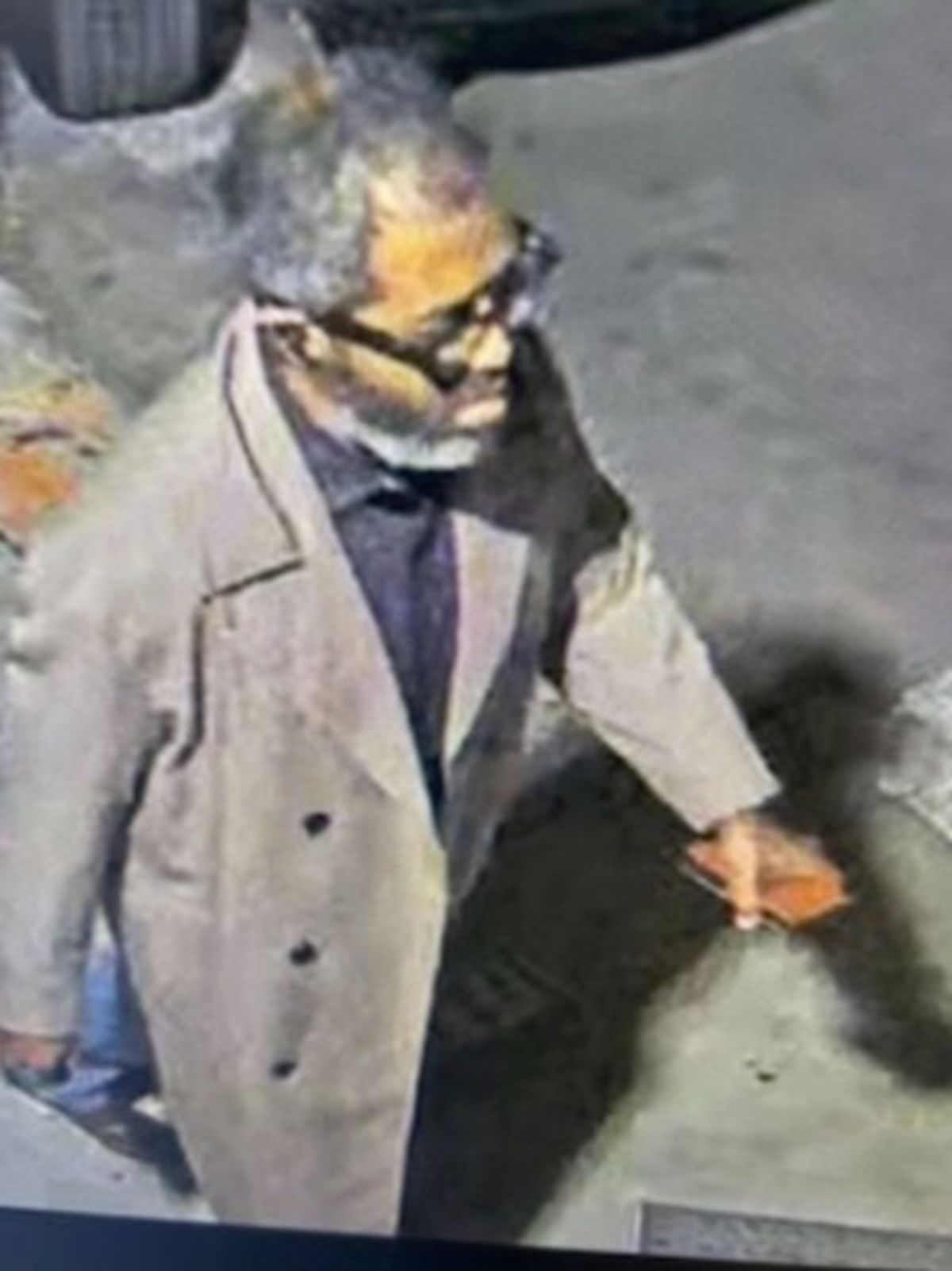
The attack's sophistication has alarmed counter-terrorism experts. Beyond the vehicle ramming that killed 14 and injured 30, Jabbar planted two bombs using an explosive compound never before seen in Western terror attacks, suggesting a disturbing evolution in domestic terror capabilities. A makeshift bomb laboratory discovered in his Houston garage has raised urgent questions about knowledge transfer within extremist networks.
Behind the headlines lies a textbook case of veteran radicalization. Court records paint a picture of mounting personal crises: three failed marriages, crippling debt including $27,000 in overdue mortgage payments, and dwindling bank accounts that held just $2,012 by mid-2024. After losing his corporate job, Jabbar's spiral accelerated.
"It's a complete surprise, a shock to everyone," said his half-brother Abdur-Rahim Jabbar IV. "He was trying to find himself,"he added, noting his brother had become more devout after his last divorce but never discussed ISIS or radical ideologies.. Yet even as Jabbar posted audio messages denouncing music as "Satan's voice" and discussed the Gaza conflict, calling it "genocide on both sides," family members saw no warnings of the violence to come.
The investigation now focuses on both the unprecedented explosives and Jabbar's rapid radicalization. "The technical sophistication combined with the personal spiral creates a particularly dangerous pattern," one senior law enforcement official said, speaking anonymously about the ongoing investigation.
NBC contributed to this article.