Get our mobile app
Download on the App StoreGet it on Google Play

Dramatic Reversal

Trump Cancels Yemen Strike at Last Minute

Aircraft armed and targets approved, but the president reversed course hours after authorizing the operation against the Houthis, fearing a third front with Iran and facing pressure from his inner circle

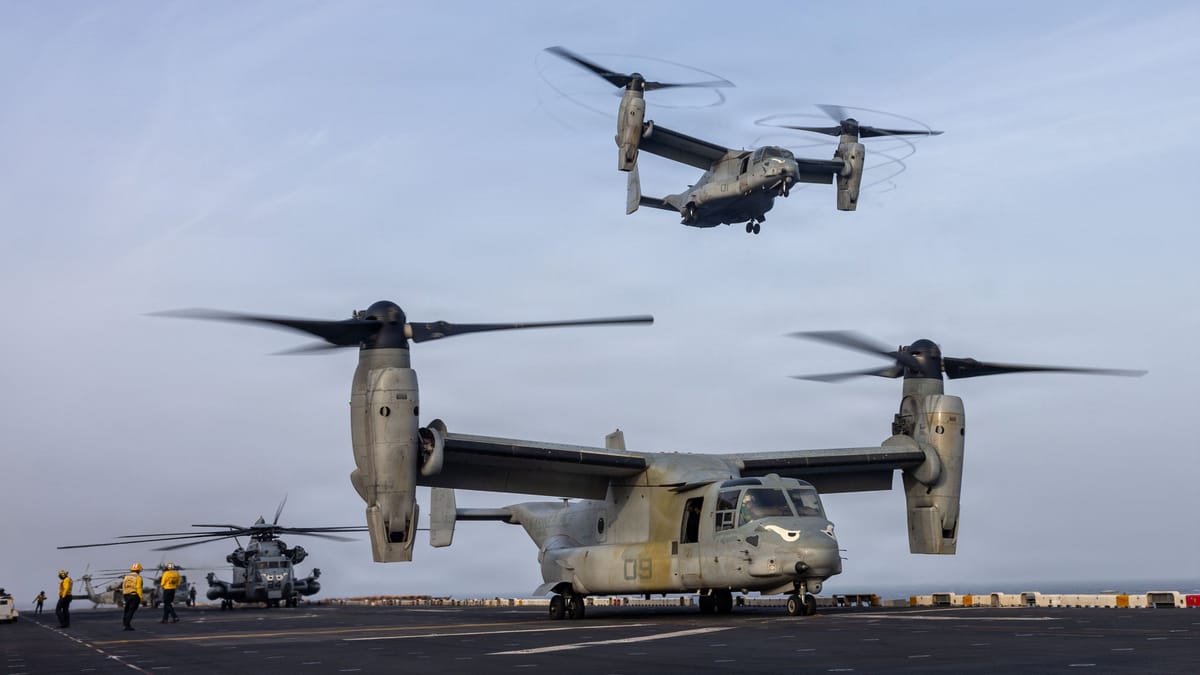
U.S. forces in the Strait of Hormuz
U.S. forces in the Strait of Hormuz (Photo: U.S. Army CENTCOM)

In a behind-the-scenes drama that unfolded in Washington, President Donald Trump on Sunday canceled a planned military strike against Houthi rebels in Yemen, just hours after authorizing it. According to foreign reports, the decision came around midday, with American fighter jets already armed and positioned on runways and target lists finalized by the military.

The abrupt reversal followed a Thursday phone call between Trump and Saudi Crown Prince Mohammed bin Salman, who had requested direct American intervention to counter the Iran-backed organization. Despite his initial commitment, the president changed course under heavy pressure from his inner circle.
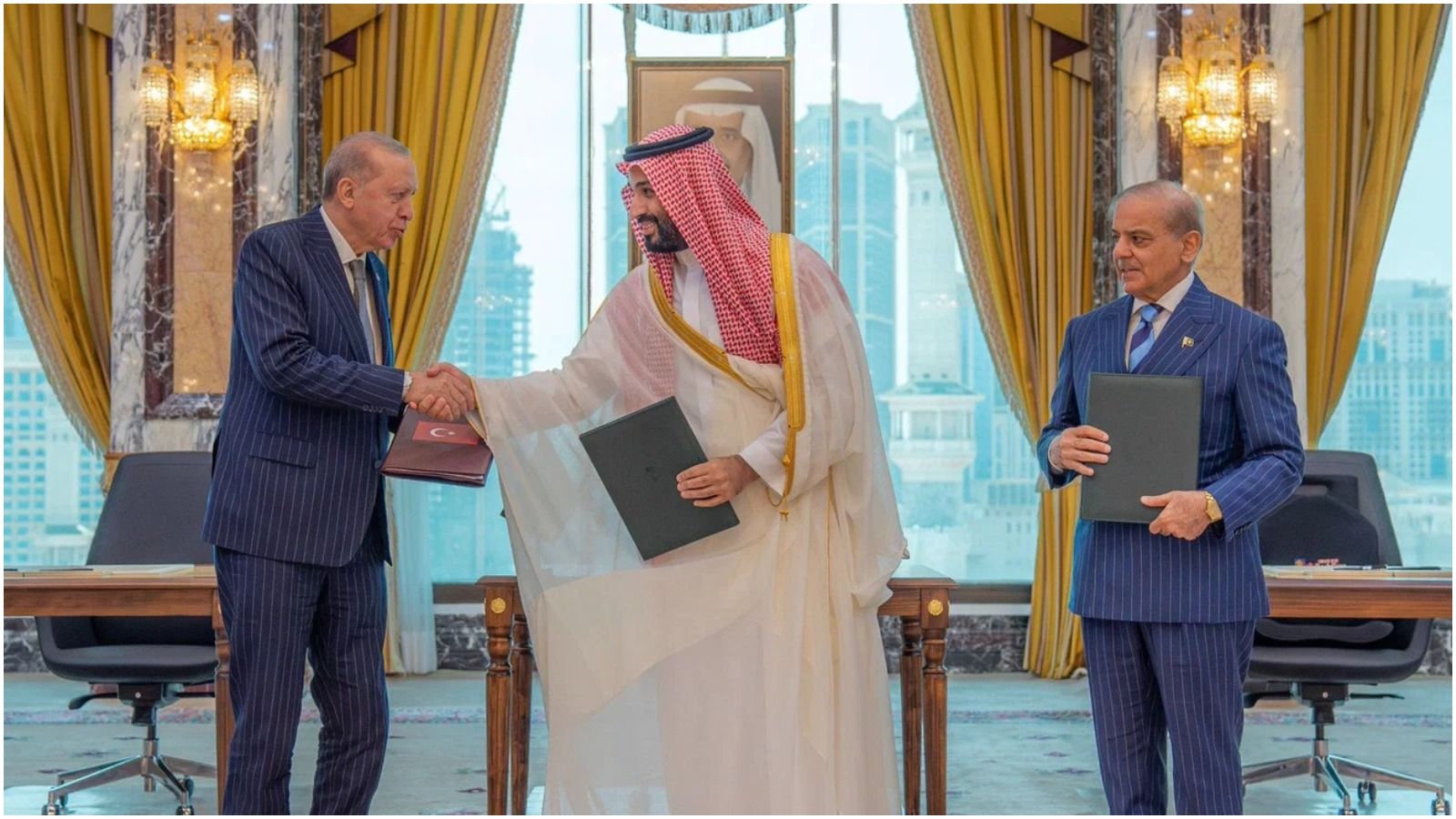

Photo: Ministry of Foreign Affairs of the Kingdom of Saudi Arabia

Senior officials in Washington report that most members of the president's close advisers strongly opposed joining the fight alongside Saudi Arabia. The primary concern: the extraordinary strain already placed on U.S. military forces in the broader campaign against Iran, coupled with tangible fears that an attack in Yemen would open an unnecessary third front against Tehran.

In an interview with Fox News, Trump clarified that he is "in decision-making mode" and noted that Washington maintains ongoing contact with the Houthis. According to him, the organization has pledged not to target American forces, even as they continue striking Saudi targets with intensity.

The incident exposes the mutual pressure levers between the powers. Military sources in Washington argued that the U.S. needs Saudi cooperation in the campaign against Iran, but the kingdom has demonstrated its ability to wield leverage against the White House, as it did last May when it blocked the oil tanker escort plan in the Strait of Hormuz and denied access to American bases on its territory.

Houthis | bin Salman
Houthis | bin Salman (Photo: Arab networks - Shutterstock)

The bloody conflict in Yemen, ongoing for more than a decade, had seen ceasefires collapse recently but reignited in full force in July following a mutual naval blockade between the Houthis and Saudi Arabia in the Red Sea. Last Saturday, the Houthis attempted to strike the capital Riyadh with a ballistic missile, the first such attack on the city since the latest escalation.

The Saudi coalition reported that the missile was successfully intercepted in the early morning hours. Riyadh residents reported hearing an explosion, and a column of smoke was later seen near the airport. The coalition added that the Houthis also attempted to attack civilian infrastructure in the port city of Yanbu on the Red Sea coast, where a major Saudi oil pipeline terminates, as well as in the cities of Taif, Bisha, and Farasan, but those attempts were thwarted.

Now it remains to be seen how Riyadh will respond to the American refusal, and whether regional tensions will continue to burn. A sharp dispute has emerged within the Saudi leadership over the appropriate response: Saudi Foreign Minister Faisal bin Farhan is pushing for a diplomatic solution and ceasefire agreement, while Defense Minister Khalid bin Salman demands a decisive military move.

Ready for more?

Join our newsletter to receive updates on new articles and exclusive content.

We respect your privacy and will never share your information.

Enjoyed this article?

Yes (100%)
No (0%)
Follow Us:

Unmissable content


Loading comments...

Also of Interest