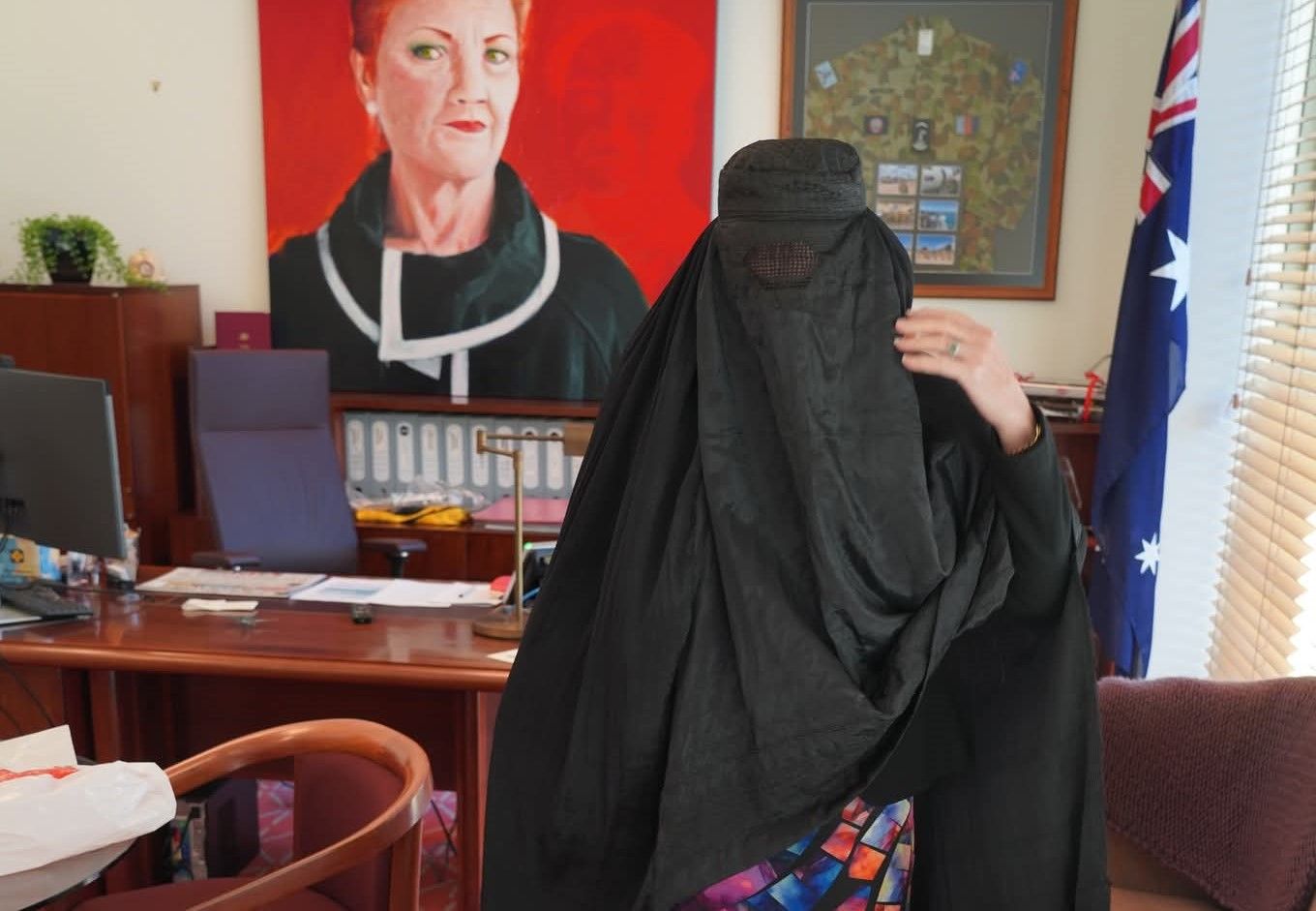
The ban on face coverings joins a growing trend across Europe, France and Belgium among them, of restricting strict Islamic dress in public institutions. Italy's new ban is not sweeping: the hijab, which covers the hair but leaves the face visible, remains permitted. The regulation targets specifically garments that conceal the face entirely.
The second provision is considered unprecedented in Europe. Under the new rule, the education system will enforce a clear cap: students who do not hold Italian citizenship or do not speak the local language may not exceed 30% of any classroom. In the first stage, the rule will apply to entry-level classes at each educational tier: first grade in primary school, seventh grade in middle school, and tenth grade in high school.
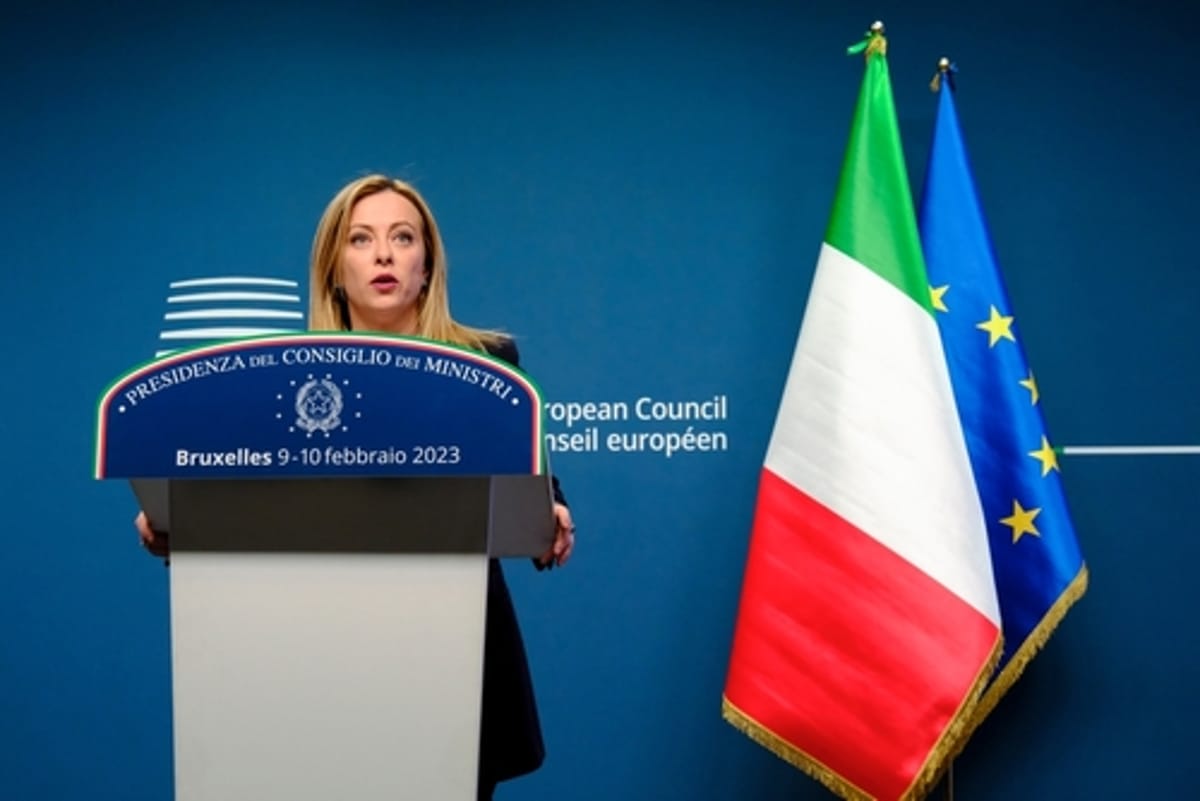
Meloni addressed anticipated criticism, explaining that the move is not intended to exclude but to ensure effective integration. When there are few foreign students in a class, she said, they integrate easily with the help of staff and peers. "If we're talking about many children, or even a majority of the class, that's no longer integration, that's abandonment," Meloni argued, emphasizing concern over a situation in which local students would feel like a minority in their own country: "There is no scenario in which, in an Italian classroom, those who feel excluded and invisible are the Italian children themselves because they have become a minority."
The decision is rooted in demographic data and local citizenship laws. According to the ISMU research institute, drawing on Education Ministry figures, approximately 11.6% of all students in Italy are not citizens. The problem, according to the government, lies in large concentrations of immigrants, creating classrooms in some neighborhoods where more than half the students are of foreign background.
Notably, Italy's immigration and citizenship laws are strict: a child born in Italy to foreign parents does not receive Italian citizenship automatically, but may apply for it only upon turning 18 and meeting certain conditions. Therefore, the definition of "foreign student" in the new decree may include children who were born, raised, and educated their entire lives on Italian soil.