Get our mobile app
Download on the App StoreGet it on Google Play

Flat denial

Iran denies Trump talks, sets 7 conditions

Iran's national security chief denies any negotiation with the US and demands seven conditions including compensation and sanctions removal before any deal | Tension rises as US moves tankers from UK base after Iranian threat

US President Donald Trump

Tension between Washington and Tehran escalated sharply Tuesday morning when Iran's national security chief, Mohsen Rezaei, secretary of the Supreme Council for National Security, issued a blistering statement on social media flatly denying President Donald Trump's claims of direct or indirect negotiation between the two countries.

Rezaei accused the American administration of spreading "false news" about diplomatic contacts and called on Washington to recognise reality and Iran's demands. "The war against Iran has already collapsed the American administration. But Washington continues to rampage like a desperate gambler. Throw away the cards and leave the game. Stop producing false news about imaginary talks. Stop denying the new order in West Asia. The time has come to surrender to the seven conditions that Iran has presented again and again," Rezaei wrote.

The Wall Street Journal reports that US military forces on Monday moved several tanker aircraft from RAF Mildenhall air base in Britain to Germany and other locations in Europe.

The move was carried out following threats from Iran, according to sources involved in the details. The aircraft are mainly KC-135 aerial refuelling tankers, which were transferred in part to Spangdahlem Air Base in Germany.

The report comes against the backdrop of ongoing tension between Washington and Tehran, and after B-1 bombers were already moved in October from another British base (RAF Fairford) over concern of an Iranian plot against the aircraft.

Tehran's seven-point plan

According to the Iranian regime's position, a seven-point plan is the sole basis for any possible arrangement with the United States. Among the central demands on the list: economic compensation for war damages, full removal of economic sanctions and the naval blockade from Iranian ports, and a complete halt to American military activity across the Middle East.

In addition, Tehran demands the release of billions of dollars in frozen Iranian assets abroad, a drastic reduction of the American military presence in the region, and an agreement that will bring a permanent and absolute end to the war. The Iranian regime refuses outright to hold any future negotiation around the Islamic Republic's nuclear and ballistic missile programmes.

President Trump
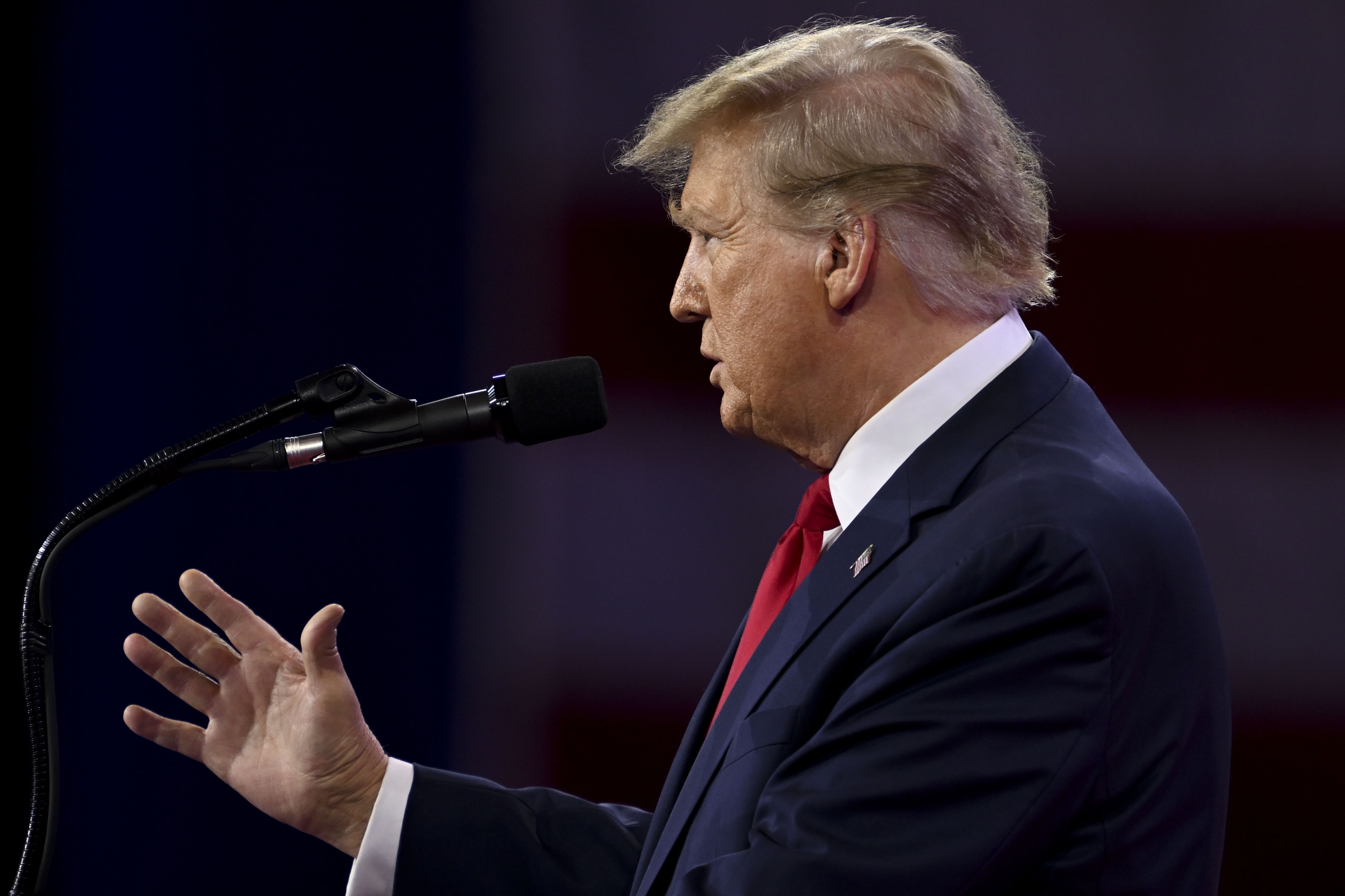
President Trump (Photo: Shutterstock)

Rezaei's combative statement comes shortly after US President Donald Trump expressed cautious optimism at a White House press conference regarding the occurrence of diplomatic contacts with Tehran, and even estimated that further military strikes would not be required. However, Trump emphasised that the US military maintains full readiness and stands at high alert. "The United States is ready and completely prepared for action, with the best equipment ever produced. However, we don't think there will be a reason to use it. Things are progressing very well," the president said, adding that Iranian representatives are holding talks with Washington "very politely."

Meanwhile, Qatar's prime minister and foreign minister, Mohammed bin Abdulrahman Al Thani, yesterday described his meetings with US President Donald Trump and Vice President JD Vance as "wonderful." In a statement he published on X, he noted that the three discussed the regional situation and ways to advance talks between Washington and Tehran, and added that he is grateful for the positive discussions regarding reaching an agreement and bringing peace to the region.

According to an earlier report, Qatar is trying to advance a diplomatic framework that would lead to the opening of the Strait of Hormuz and the resumption of international supervision over Iranian nuclear facilities. The framework Doha is promoting proposes an exchange of steps: Washington would remove the naval blockade and release part of the frozen Iranian assets, and in return Tehran would allow inspectors from the International Atomic Energy Agency to reach nuclear facilities damaged in strikes.

Parallel to the diplomatic developments, the Saudi-led coalition announced that it intercepted two missiles fired by the Houthis from Yemen toward Riyadh. The prestigious King Abdullah Financial District in the Saudi capital was attacked in launches from Yemen, and a building of Saudi oil giant Aramco was damaged.


Ready for more?

Join our newsletter to receive updates on new articles and exclusive content.

We respect your privacy and will never share your information.

Enjoyed this article?

Yes
No
Follow Us:

Unmissable content


Loading comments...

Also of Interest