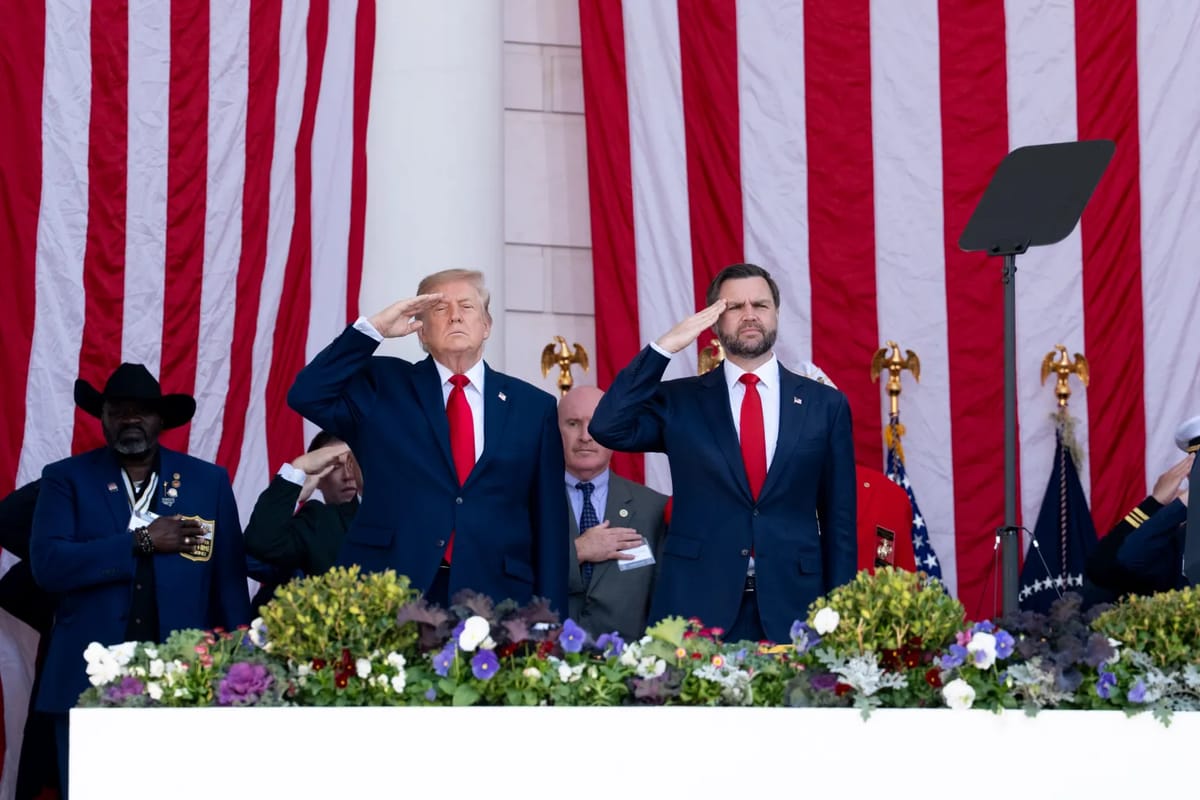
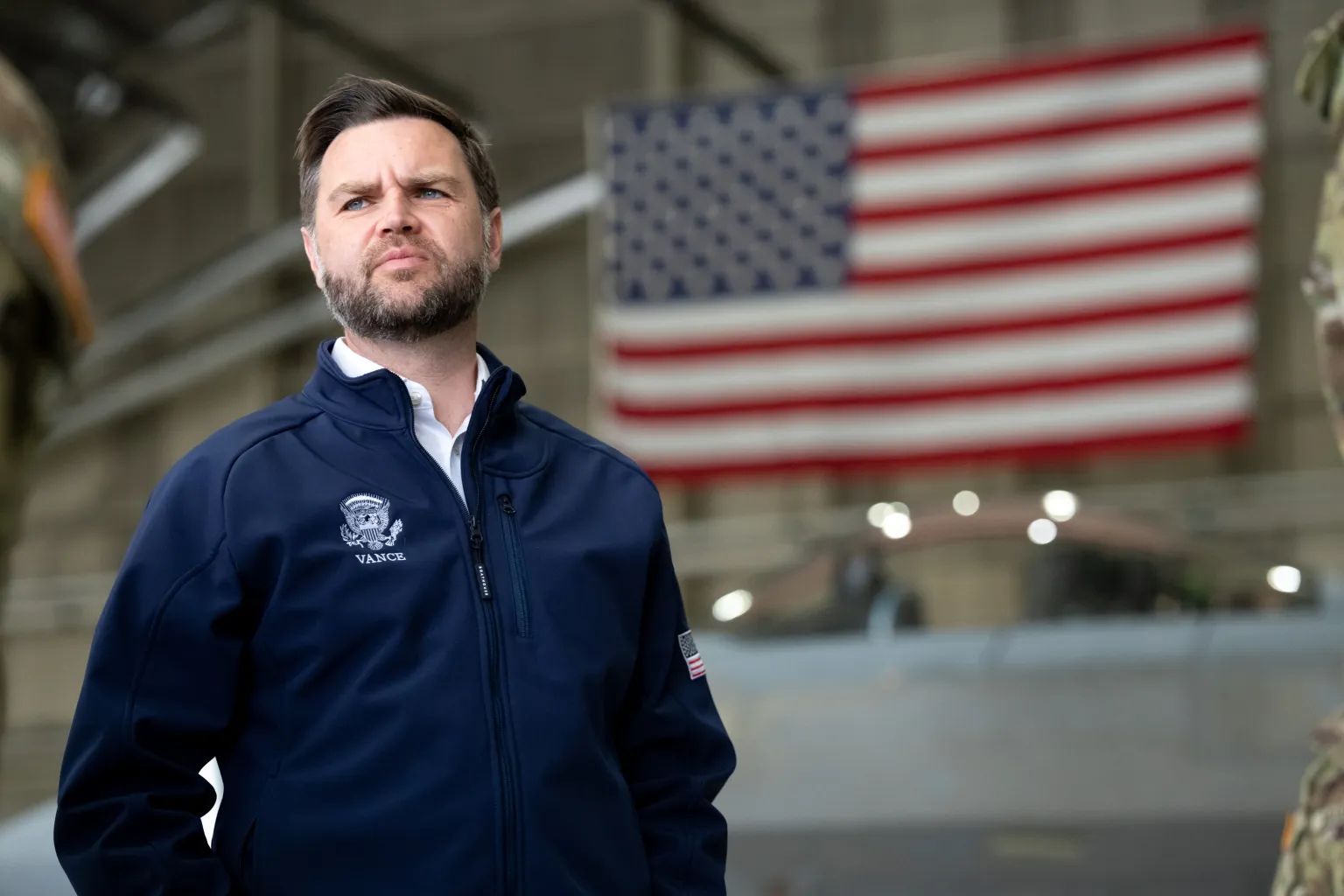
The Wall Street Journal reported that the scale of the defeat, described as the party's worst political setback since Watergate, has cast doubt over Vance's political future. According to the paper, on election night, as Trump and Vance watched the results from the White House and a Democratic wave swept the country, Vance received a text message from a longtime confidant advising him to reconsider his ambitions and not run in the next presidential election.
Vance and his inner circle of advisers are now holding internal discussions about whether a 2028 campaign makes sense. Some of his political allies have told him they believe no Republican candidate can win the next election. The Journal reported that the political rift stems largely from the war with Iran and its economic consequences, including a spike in fuel prices that has hit working-class Americans hard.
Vance, who has positioned himself throughout his career as an opponent of US military involvement abroad, tried to head off the escalation. In October, he sent a letter to Mohsen Rezaei, a senior figure in Iran's security establishment, proposing a direct meeting between representatives of the two countries. Vance considered leading the meeting himself, and Doha, Qatar, was raised as a possible venue.
Trump sent the opposite message. "We don't need a deal with Iran. Those days are long gone," the president wrote in a statement announcing that he had asked the vice president to focus instead on fighting corruption and crime in Democratic-run cities and states.