Hungarian investigators seized large quantities of cash buried in forests and hidden in farm buildings, warehouses and safes during raids across the country on November 12 and 13. The searches were part of a corruption investigation into Miklós Seszták, who served as national development minister under former Prime Minister Viktor Orbán.
Hungary's Corruption Probe Widens
Hungary Finds Buried Cash in Bribery Probe
Investigators seized more than 5 billion forints plus millions of euros and dollars in searches linked to a bribery case against Miklós Seszták, who served as a minister under Viktor Orbán.
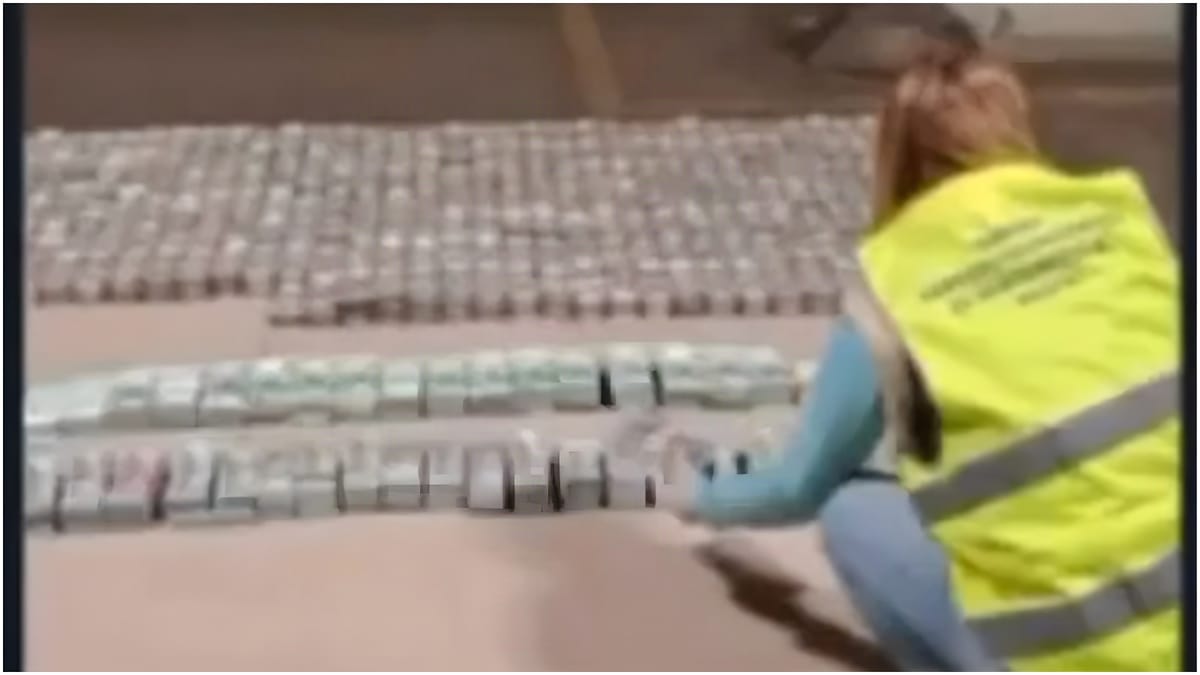
Hungary's Asset Recovery and Protection Authority carried out the searches at several locations, including Budapest and the counties of Pest, Békés and Nógrád. Investigators found some of the money buried in the ground in forests. Other cash was hidden in farm buildings, warehouses and homes, and more was stored in high-value safes in remote locations.
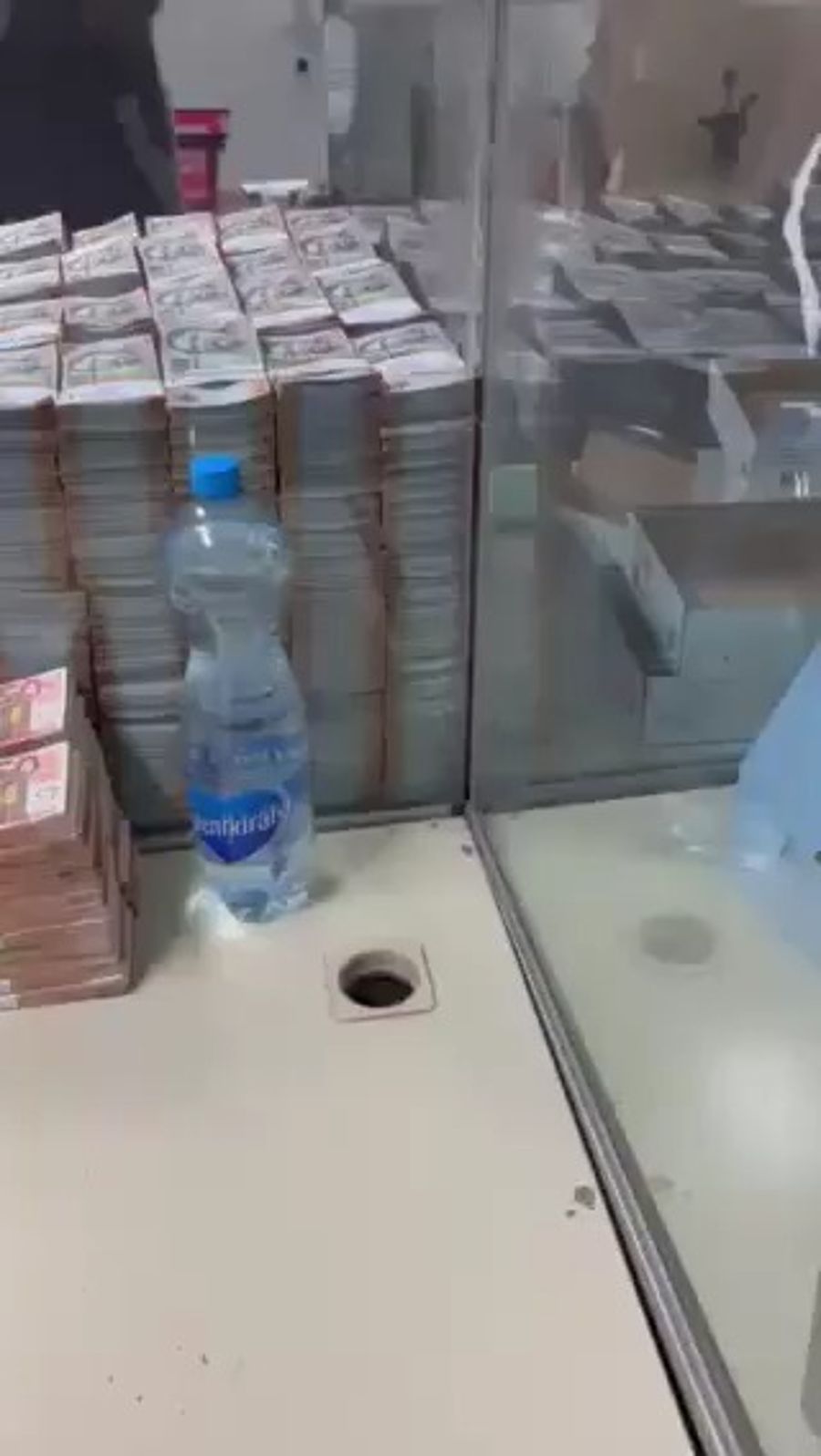
The haul comprised 5.07 billion Hungarian forints, 2.65 million euros and 1.25 million dollars. All of it was transferred to the Hungarian state treasury after the operation. There was so much cash that 12 Finance Ministry employees needed eight hours and five banknote-counting machines to finish counting it.
Seszták held the national development portfolio from 2014 to 2018. He was arrested in September on suspicion of taking large-scale bribes linked to contracts awarded by the state-owned bus company Volánbusz.
The seizure is part of a broader investigation into an alleged scheme that channeled public money to people close to the former government. Investigators suspect that between 2015 and 2018, Seszták and Norbert Szivek, then head of the National Asset Management company, received more than 11 billion forints in illegal payments from firms that won Volánbusz contracts.
One of the central suspicions involves the purchase of more than 600 used buses at prices well above their market value. The deals allegedly cost the state-owned companies about 10 billion forints. Investigators are also examining a real estate deal in which Volánbusz bought a property in the city of Kecskemét. The price was allegedly at least 550 million forints above its real value.
Investigators believe the money was moved through intermediary companies and fictitious loan agreements meant to disguise its source and the identity of those who received it. Other suspects have also been arrested in the case, among them a businessman linked to the deals.
Earlier searches of sites connected to Seszták turned up two empty industrial safes. Testimony from one of the suspects, along with signs picked up by a sniffer dog, led investigators to suspect that the safes had once held about 9 billion forints in cash. Authorities have not yet established that the money seized this month is the same cash.
Seszták denies the allegations. His lawyer said the seized money does not belong to his client and noted that other suspects are involved in the case. Authorities are still working to establish who owns the money and where it came from.
The case comes amid a change of government in Hungary. Prime Minister Péter Magyar defeated Orbán in elections in April, ending 16 years of Orbán rule, and pledged sweeping investigations into corruption under the previous government. The raids are part of a government effort dubbed "Operation Crucible."
Magyar welcomed the seizure and declared it the end of what he called "the mafia of Fidesz and the Christian Democrats," a reference to the coalition that governed during the Orbán years.
The case also drew unusual reactions from within Orbán's party. Fidesz officials said they hoped the seized money was not connected to Seszták and stressed that the party cannot defend anyone who has broken the law.
The investigation is ongoing. Authorities have not yet determined who owns the money found hidden across the country.
Cash buried in forests: the hoard uncovered in Hungary's corruption investigation| צילום: Photo: Social media