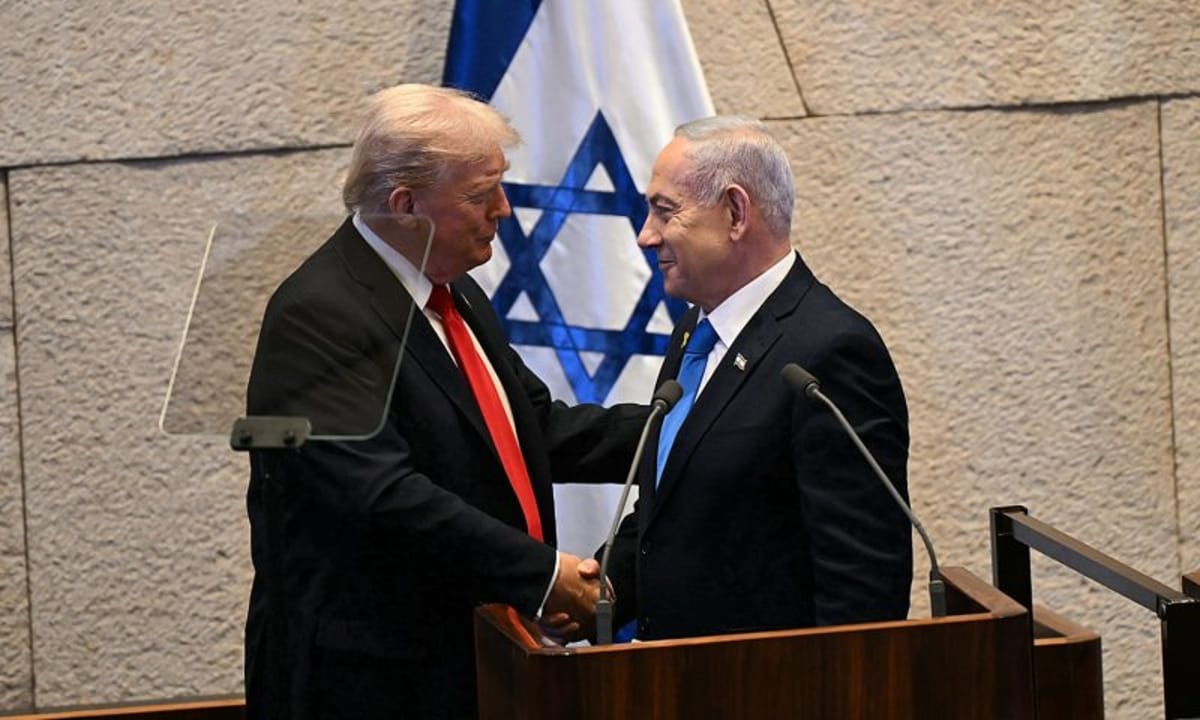
The complex personal and political dynamics between Washington and Jerusalem have been laid bare following a detailed television interview granted by United States President Donald Trump to ABC News. Speaking with media correspondents, the American president provided an unfiltered assessment of his current relationship with Prime Minister Benjamin Netanyahu, highlighting the significant tactical friction that has developed between the two administrations regarding the management of the Iranian threat. The comments offer a rare glimpse into the intense pressure being applied behind the scenes by the White House.
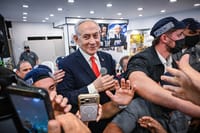
When directly questioned by network journalists whether he believes Netanyahu will actively campaign for another term in office, Trump adopted a highly non committal posture, stating that he does not know if the prime minister will run again and describing the matter as an entirely open question. Trump observed that Netanyahu is currently operating as a wartime prime minister, drawing a direct parallel to his own status as a wartime president. While he acknowledged that the Israeli leader has achieved a spectacular career in public service, he concluded that whether the prime minister possesses the personal desire to continue under such grueling conditions remains to be seen.
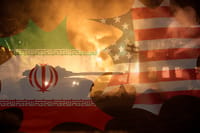
The president also disclosed highly sensitive details regarding a private telephonic conversation he held with Netanyahu on the eve of Israel’s recent aerial bombardment against targets inside the Islamic Republic. Trump revealed that he was deeply concerned with protecting ongoing regional diplomatic frameworks, explicitly telling the prime minister that he did not want any military actions to materialize that would permanently damage the broader international agreement. According to the disclosure, Trump told Netanyahu to use his own judgment and act according to his own discretion, while maintaining a strict boundary against sabotaging the diplomatic progress already achieved by Washington.
Trump went on to offer a critical evaluation of the physical operation itself, revealing that he openly informed the prime minister that the specific counterattack executed by Israeli forces was largely unnecessary from a strict military standpoint. However, the president modified his criticism by stating that he fully understands the psychological and political reasons behind why the state carried out the mission. He acknowledged that when a nation faces direct aggression from hostile actors, there must invariably be some form of visible public response to demonstrate strength to domestic audiences.
The public remarks from the American executive underline a growing impatience in Washington regarding the independent actions taken by the Israeli security cabinet. As the United States seeks to finalize a comprehensive regional framework to stabilize the maritime corridors and halt the broader war, the White House is increasingly demanding that its partners align their actions with global Western interests. With Netanyahu's domestic political future now being openly discussed by his most powerful international ally, the political maneuvering within Jerusalem is expected to intensify as leaders calculate their next strategic steps.