
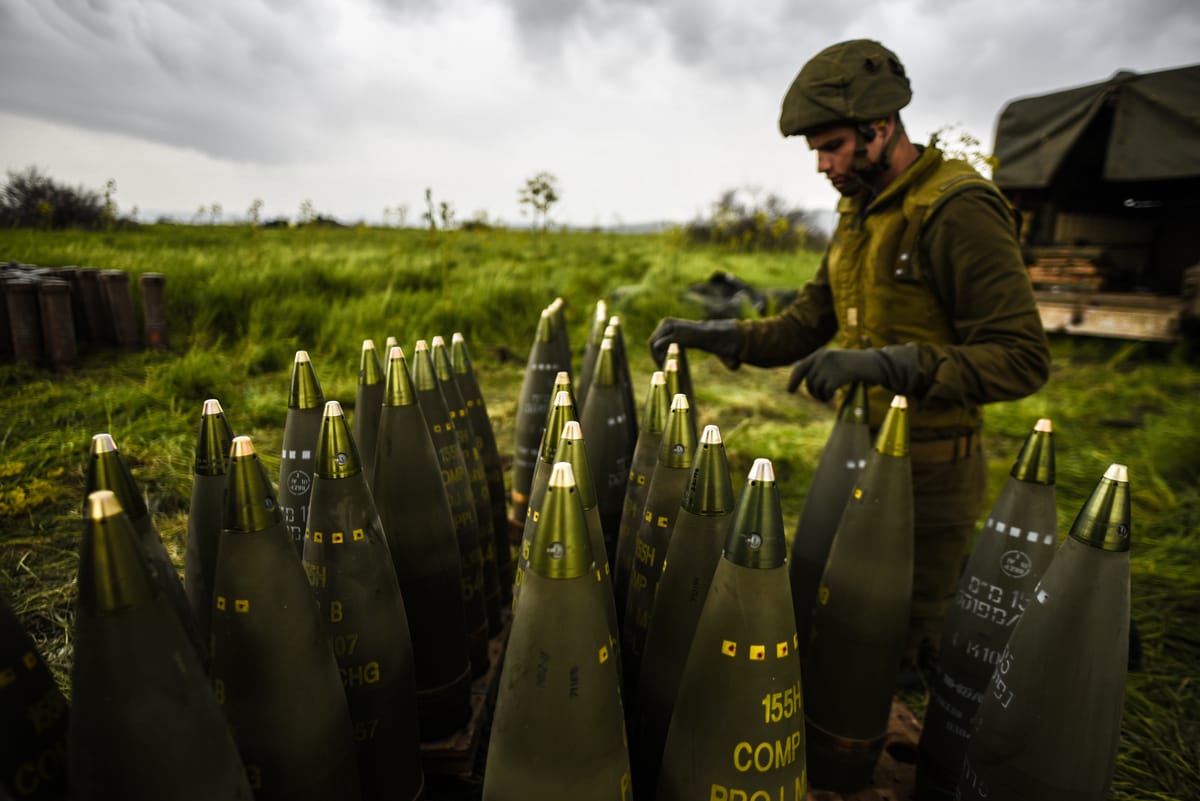
Elbit Systems, Israel’s largest defense company, has confirmed one of its biggest-ever contracts: a $1.635 billion deal with Serbia, marking a strategic partnership to upgrade and digitize the Balkan state’s military capabilities.
The identity of the client had been kept secret since Elbit’s announcement last week, but a report by Calcalist revealed that Serbia was the European country behind the massive order.
A Historic Deal
The deal ranks among the largest in Elbit’s history, just behind the $1.7 billion project to modernize the Hellenic Air Force’s training program in Greece. The Serbian contract represents nearly a quarter of Elbit’s annual sales in recent years and will be executed over the next five years.
What the Contract Includes
The agreement covers two main areas:
- Strike Systems: precision long-range artillery rockets, multiple classes of unmanned aerial vehicles (UAVs), including tactical and personal drones for intelligence collection and strike missions.
- Intelligence & Electronic Warfare: advanced SIGINT and ELINT systems, electronic data processing, electro-optical tools, night vision systems, and upgrades for armored combat vehicles.
Additionally, Elbit will provide Serbia with a comprehensive digital battlefield solution, including advanced command, control, communications, and computerization (C4I) infrastructure.
Breaking Records Despite European Protests
The mega-deal comes against the backdrop of intensifying anti-Israel protests across Europe due to the war in Gaza. Yet, Elbit continues to post record-breaking financial growth:
- Q2 2025 sales jumped 21% to $1.972 billion.
- Net profit surged 60% to $125 million.
- Order backlog climbed to $23.8 billion, with 68% of business coming from outside Israel.
Elbit CEO: “A Strategic Choice”
Elbit’s president and CEO, Bezhalel (Butzi) Machlis, told Walla! that Serbia was looking for a partner with “a broad portfolio of products and the ability to develop local operations.”
“This deal will help us cross the $8 billion sales threshold for the first time this year,” Machlis said. “It’s a strong quarter across all metrics and all markets.”