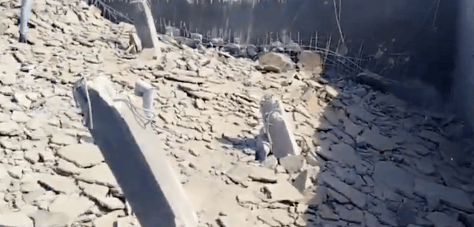
The strikes cut off drinking water to the town of Kuhestak and approximately ten surrounding villages. Hamzehpour stated that mechanical facilities associated with the reservoirs were also destroyed, with estimated damages reaching 140–150 billion tomans. Emergency crews have been dispatched to restore water access through alternative means.
Iran's consulate in Mumbai issued a statement calling the targeting of civilian water infrastructure a matter of "serious humanitarian concern." The Islamic Revolutionary Guard Corps confirmed the strikes occurred but provided limited operational details.
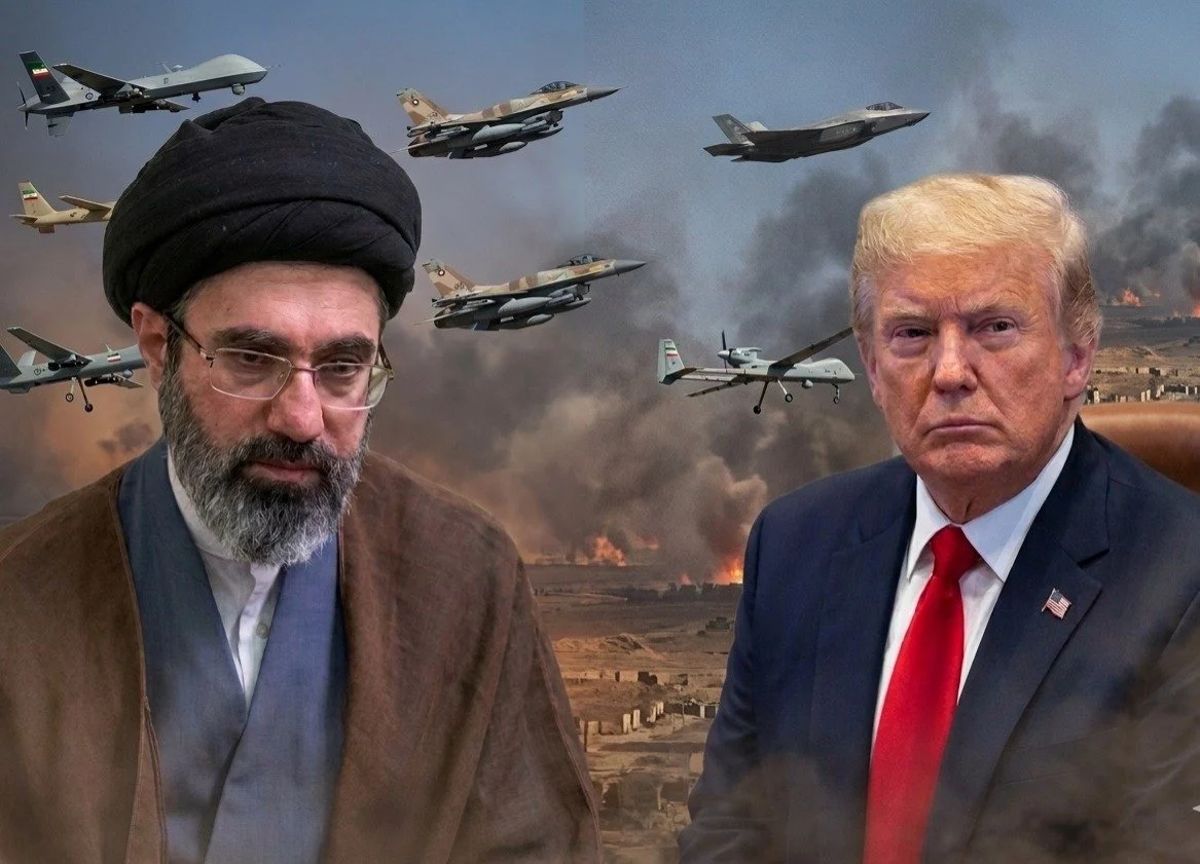
Widening Gap Between Washington and Tehran
The Iranian ultimatum comes amid growing evidence of a fundamental disconnect between American and Iranian expectations for any potential agreement. Earlier this week, Mohammad Marandi, a senior advisor to Iran's Foreign Ministry, declared that no nuclear deal would be reached unless Washington returned frozen Iranian assets, ended what he termed the "genocide" in Gaza, lifted the economic blockade on Iran, and removed all sanctions.
"Otherwise," Marandi warned, "Trump's economy will collapse."
The statement reflects Tehran's maximalist negotiating posture even as the Trump administration has suggested Iran is eager to reach terms. Vice President JD Vance acknowledged this week that the United States and Israel do not share identical objectives regarding Iran, with Washington prioritizing a nuclear agreement while Jerusalem remains skeptical of any diplomatic arrangement with the regime.
The overnight strikes followed a series of escalatory moves by both sides, including Iranian missile fire toward Israel and Israeli strikes in Lebanon. Trump has repeatedly called on both Israel and Iran to halt military operations, expressing frustration over the renewed fighting and urging Tehran to return to the negotiating table.
The move signals that Tehran views the current military pressure as undermining rather than advancing diplomatic progress—a calculation that could complicate Trump's stated goal of achieving a comprehensive nuclear settlement before the end of his term.
Even if he reaches a settlement, he is not going to get what he wants. Iran has allegedly agree to destroy 2 out of its 3 nuclear plants and to stop enriching uranium for 15 years.
This is just putting a temporary pause on their grand plans. In addition, they have uranium that is less enriched but could eaisly be converted to highly enriched unranium and allow them to build (and use) nuclear bombs relatively easily.