While Haredim Face Sanctions, Smotrich Funnels Billions to His Voters - And Haredi Leaders Stay Silent
Finance Minister allocates 3.5 billion shekels to settlements and Religious Zionist institutions • Haredi cities in Judea and Samaria deliberately excluded from benefits | Where are the Haredi MKs? (Israel News)

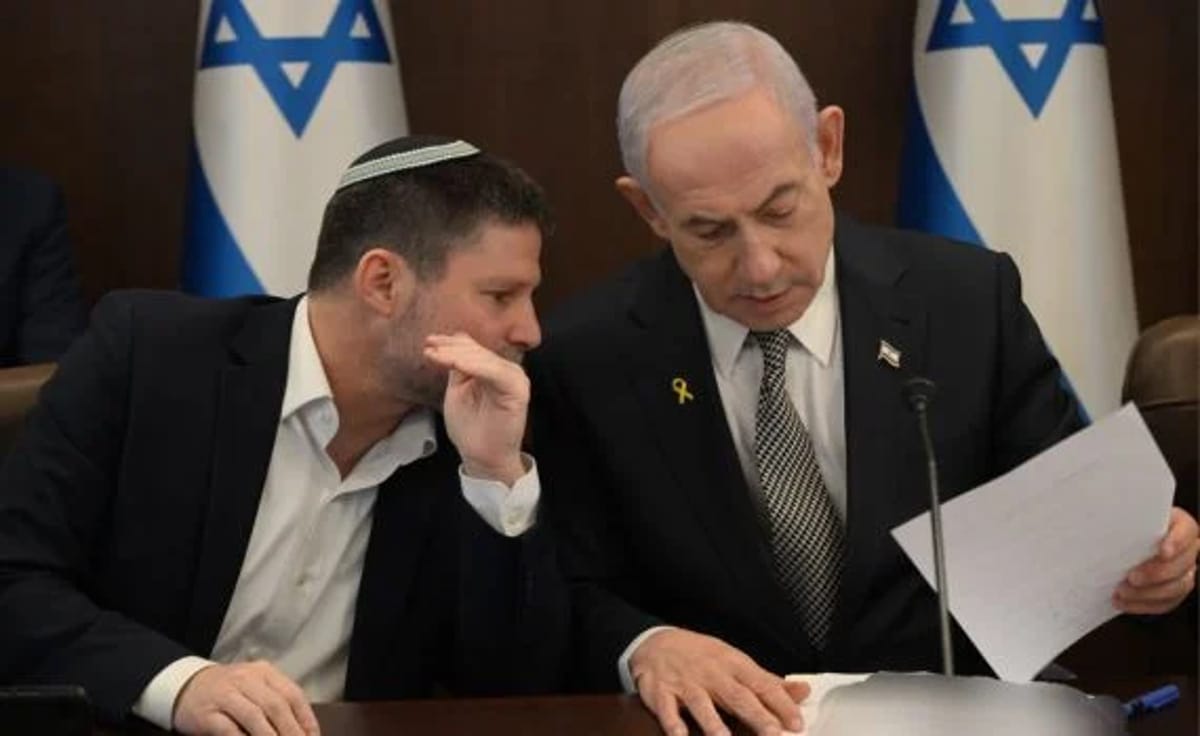
While Israel's haredi community reels under mounting sanctions, daycare subsidies slashed, kollel stipends frozen, yeshiva students facing prison, Finance Minister Bezalel Smotrich has quietly engineered a budgetary windfall of staggering proportions for his own political base.
An investigation into the 2026 state budget reveals that Smotrich allocated 3.5 billion shekels to settlements in Judea and Samaria and Religious Zionist educational institutions, even as haredi families struggle to afford basic necessities. The numbers expose a deliberate pattern of favoritism that has left haredi political leaders scrambling to explain their silence.
The breakdown of Smotrich's budgetary largesse reads like a wish list for the settlement movement: 1.075 billion shekels for roads and infrastructure in Judea and Samaria, 500 million for security reinforcements beyond the Green Line, 280 million for archaeological preservation and a new local antiquities authority, and 150 million for Religious Zionist yeshivot and boarding schools.
Additional allocations include 130 million shekels in sweeping tax breaks for settlements, 120 million in a dedicated government resolution for "hilltop youth," 112 million for planning new communities in Judea and Samaria, 100 million in increased coalition funds channeled through the Interior Ministry, and 80 million for security components in Area C.
The government is expected to approve an additional one billion shekels Thursday for developing new settlements and establishing temporary outposts, bringing the total to well over 4 billion shekels directed toward Smotrich's political constituency.
Haredi Cities Deliberately Excluded
The most glaring aspect of the budget allocation is not what it includes, but what it systematically excludes. Beitar Illit, Modiin Illit, and Emanuel, haredi cities in Judea and Samaria with nearly 200,000 residents combined, were deliberately left out of the benefits package.
United Torah Judaism chairman MK Yitzhak Goldknopf sent a sharply worded letter to Prime Minister Benjamin Netanyahu highlighting the absurdity. "Out of half a million residents of Judea and Samaria, close to 200,000 are haredi," Goldknopf wrote. "The haredi public constitutes nearly half the population in the area, and the cities of Modiin Illit and Beitar Illit are the largest urban centers in Judea and Samaria."

Even when Smotrich opens the budgetary spigot for settlements, he uses what sources described as "surgical precision" to ensure haredi communities receive nothing. The pattern reveals a finance minister advancing his own sectoral interests while the coalition's haredi partners watch from the sidelines.
Yeshiva Funding Gap Widens
Perhaps the most provocative element of Smotrich's budget involves "strengthening informal education" - bureaucratic language masking a dramatic increase in per-student funding for Religious Zionist hesder yeshivot and boarding schools. The decision explicitly raises the value of budget points for these institutions while leaving haredi yeshivot at current levels.
For years, haredi political leaders fought to prevent discrimination between hesder yeshivot and traditional Lithuanian-style yeshivot in state funding formulas. That firewall appears to have collapsed. Senior figures in United Torah Judaism told Israeli media the move represents "a slap in the face to the Torah world from its supposed natural partners, the Religious Zionism party and Finance Minister Bezalel Smotrich."
The timing could not be more pointed. As haredi parties issued ultimatums demanding advancement of Basic Law: Torah Study and mobilized mass protests over yeshiva student arrests, Smotrich was quietly engineering a budgetary architecture that systematically disadvantages the very community now under siege.

Where Are the Haredi Leaders?
The question reverberating through haredi neighborhoods from Bnei Brak to Jerusalem is stark: where are our representatives? How can a finance minister allocate billions to one sector while imposing austerity on another, and face no meaningful political consequences?
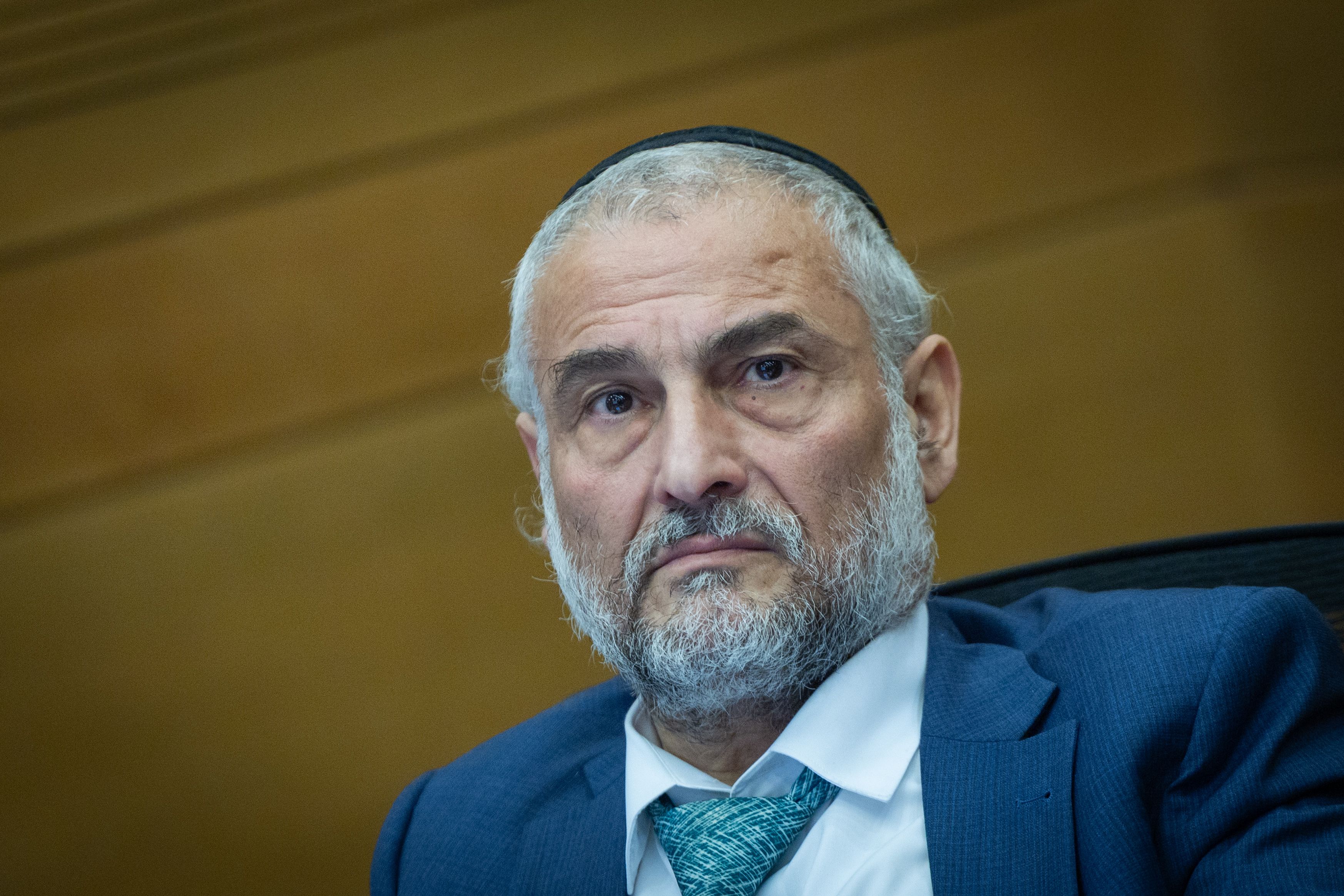
The silence from Shas and United Torah Judaism has been deafening. While Shas MK Moshe Abutbul attacked Smotrich over the daycare subsidy crisis, accusing him of political opportunism, no haredi leader has publicly confronted the finance minister over the budgetary disparities now coming to light.
Coalition dynamics may explain part of the paralysis. Netanyahu is reportedly working to merge Smotrich's Religious Zionism with Itamar Ben Gvir's Otzma Yehudit ahead of elections, fearing Smotrich may fall below the electoral threshold. The prime minister needs both his haredi partners and his far-right allies, leaving him little room to adjudicate budgetary disputes between them.
But the haredi street is growing restless. As families struggle with the loss of daycare subsidies and yeshiva students face military prison, the revelation that state coffers remain open for other sectors has triggered anger and disillusionment. The budget numbers suggest a political class more focused on coalition maintenance than on defending the interests of the community it claims to represent.
Goldknopf's letter to Netanyahu signals that at least some haredi leaders recognize the danger. But it might remain just another strongly worded memo filed away in coalition negotiations, and not demand accountability from representatives who appear to have lost their voice precisely when it matters most.