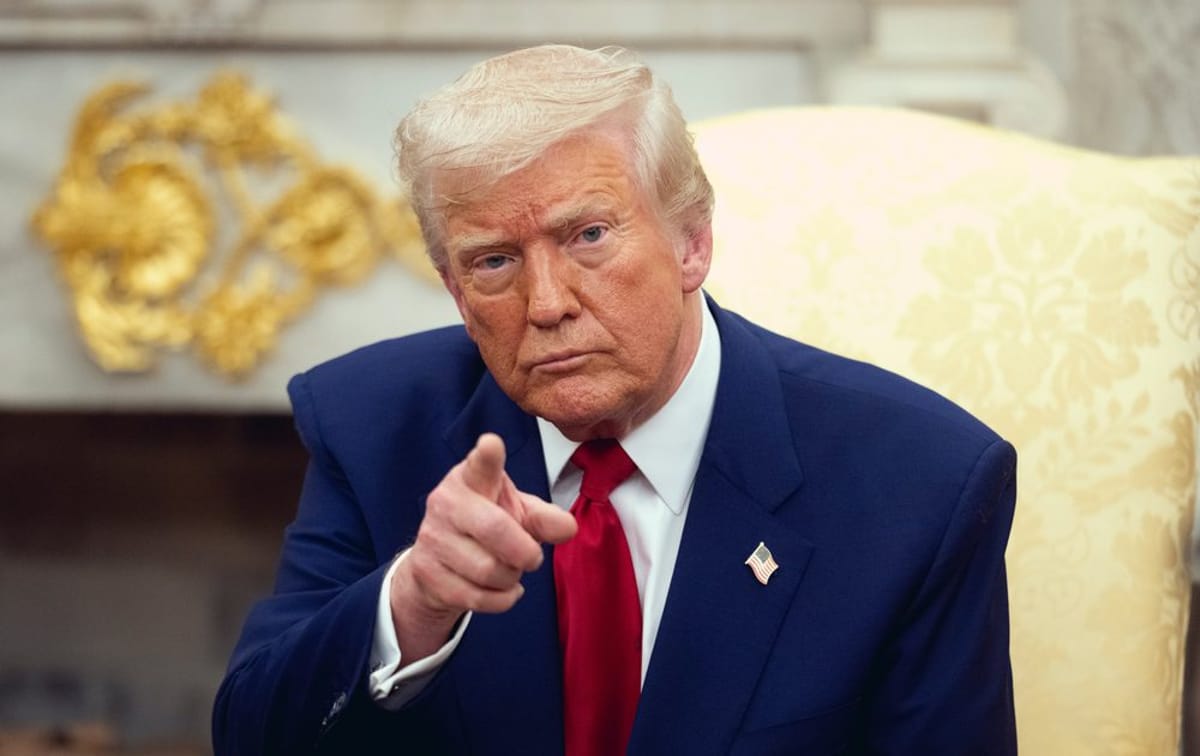
Earlier on Tuesday, Trump spoke to reporters outside the White House and described Iran as a "failed country." "They have no economy. They have 300% inflation. They have no money. They're not paying their troops. They're not paying anybody. We'll make a decision on Iran very soon," he said.
On Monday he told reporters that the approaching elections would not dictate his decisions on Iran. He also predicted that "as soon as the war ends with Iran, which will be very soon, oil will drop like a rock."
Those remarks differ in tone from what he posted on Truth Social last Thursday: "We are having productive discussions with the Islamic Republic of Iran." In that statement he said the American blockade would stay in place. The Atlantic cited two administration officials who said Trump was weighing renewed strikes before the midterms and that US Central Command was developing options.
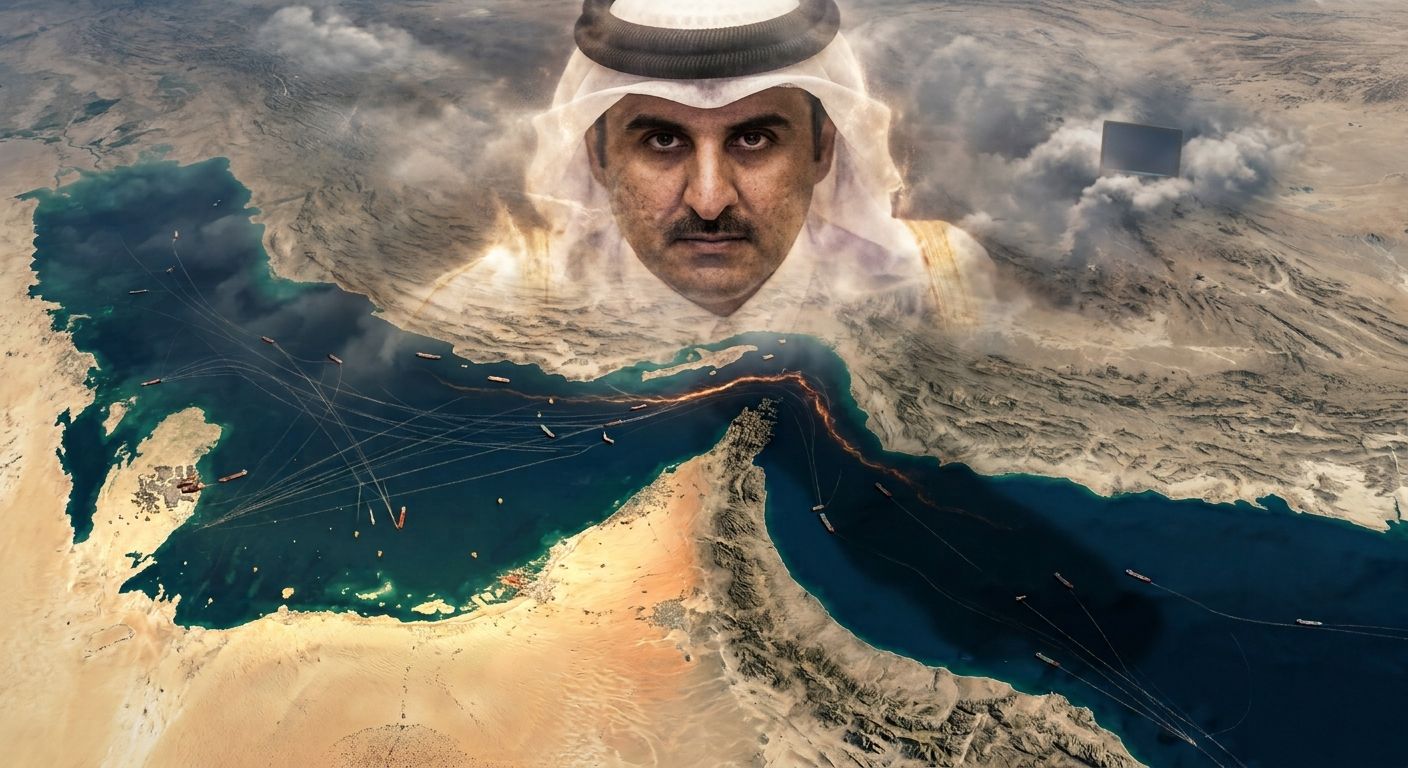
In the Strait of Hormuz, Central Command on Tuesday rejected claims by Rear Adm. Ali Ozmaei, commander of the Islamic Revolutionary Guard Corps Navy, that Iran controls the strait and would sink any American warship that approached. "IRGC's navy commander has no navy," CENTCOM said, JNS reported. The US military said its forces had helped Gulf partners ship upward of 19 million barrels of crude through the waterway on Monday.
Ynet reported that an Israeli security official assessed on Wednesday that a preemptive Israeli strike on Iran before the elections is unlikely. An Israeli official said that everything depends on what Trump wants, and that Israel could not attack Iran without his approval.
A second Israeli official set out the reasoning. "There is an understanding that without a U.S. ground operation, there is no chance of achieving anything different or new," that official said. "Repeating more of the same before the U.S. elections would be a political disaster for Trump." The same official added: "We also have to consider the possibility of a miscalculation. The Iranians could believe Israel is about to attack and try to strike first."
Prime Minister Benjamin Netanyahu was asked in a radio interview about a preemptive strike before the vote. "I don't think the timing is convenient for us," he said.
Concern has also reached the Gulf. Qatar's Emir Sheikh Tamim bin Hamad Al Thani told his security chiefs in a closed briefing that renewed war with Iran was "immediate and probably inevitable."