The Nuclear Paradox

Trump Says Next Phase of Iran Deal Will Be 'Easier' as G7 Tensions Simmer Over Netanyahu Criticism

President declares technical negotiations ahead will be smoother • Meets with Zelenskyy and G7 leaders in France | As internal White House divisions deepen (World News)

Trump Says Next Phase of Iran Deal Will Be 'Easier' as G7 Tensions Simmer Over Netanyahu Criticism

President Donald Trump declared Tuesday that the next phase of negotiations with Iran will be "easier" than the initial memorandum of understanding, projecting confidence in the emerging nuclear framework even as sharp divisions inside his administration threaten to derail the agreement before it reaches completion.

Speaking to reporters on the sidelines of the G7 summit in Evian, France, Trump dismissed concerns about the deal's viability and suggested that technical negotiations over verification, enrichment limits, and sanctions relief would proceed more smoothly than the contentious preliminary talks that produced last week's framework agreement.

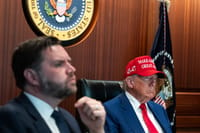
"There are a number of issues where we will have to resolve those things during the technical negotiation phase," Vice President JD Vance confirmed in a CNN interview, acknowledging that several central elements remain unresolved. Vance added that Iran would receive benefits only by meeting specific commitments, though he declined to specify what those commitments entailed or how they would be verified.
The president's optimism stands in stark contrast to warnings from his own intelligence chief. CIA Director John Ratcliffe reportedly presented Trump with an assessment indicating that Iranian officials are discussing the agreement internally in ways that contradict what they are telling American negotiators, according to intelligence briefings reviewed by senior officials.

"The intelligence reflects that Iranian intentions do not align with their commitments under the agreement," one source familiar with the classified assessment stated. The gap between Tehran's public posture and private deliberations has raised serious doubts among U.S. intelligence agencies about whether Iran intends to make the nuclear concessions Washington is demanding.

The internal dispute has escalated to the point where Trump is reportedly considering firing both Ratcliffe and Defense Secretary Pete Hegseth over their opposition to the memorandum, according to a senior U.S. official who spoke to Israel Hayom. Such a move would represent a dramatic purge of two of the president's most senior national security officials and signal that dissent over the Iran deal will not be tolerated inside the administration.

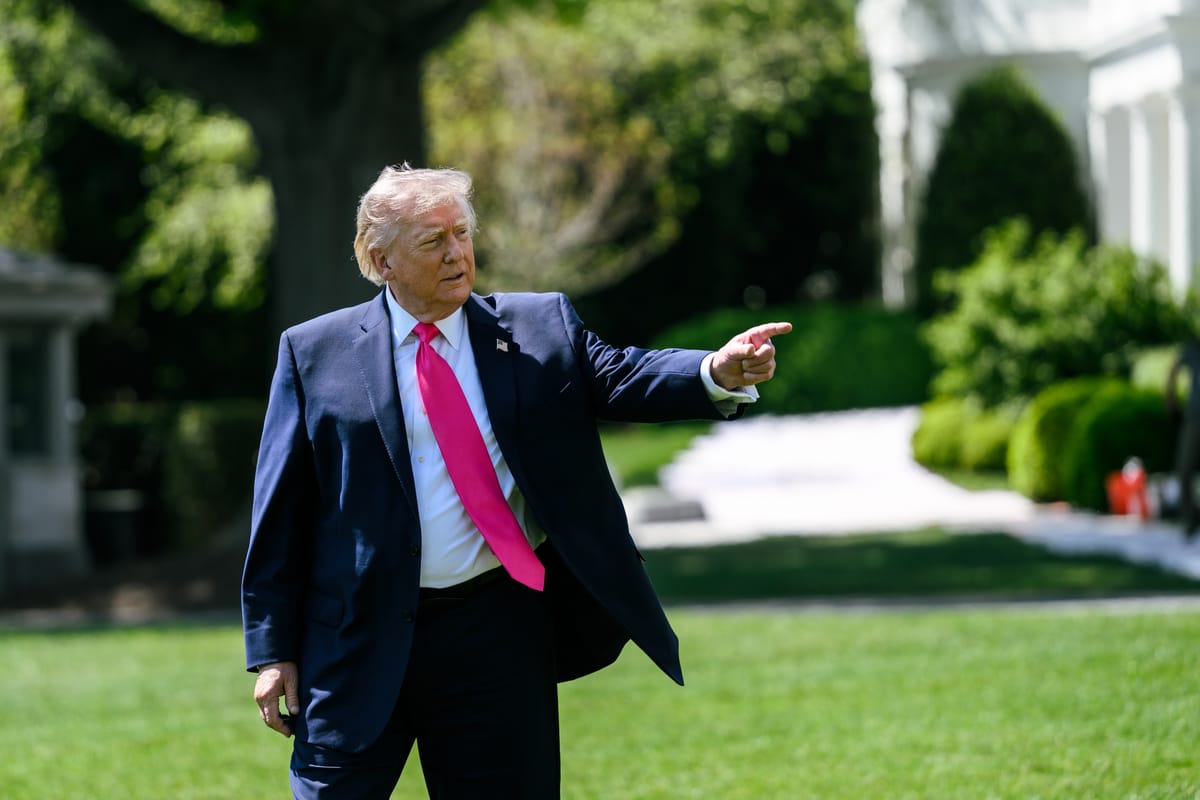
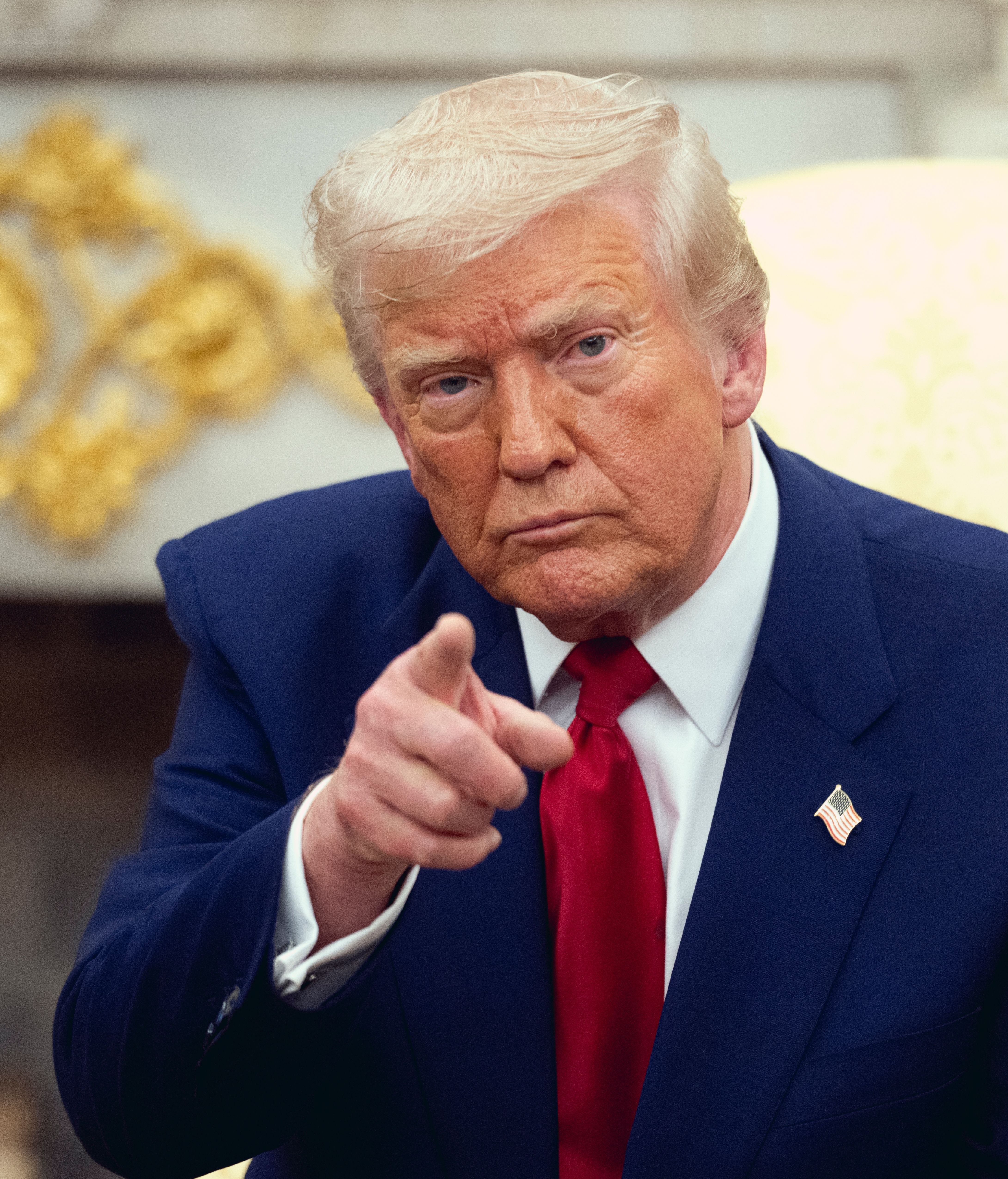
President Trump
President Trump (Photo: Shutterstock )

The G7 summit itself has been marked by Trump's increasingly public criticism of Israeli Prime Minister Benjamin Netanyahu. In remarks that stunned Israeli officials, Trump told reporters that Netanyahu must be "more responsible" in Lebanon and suggested that if Israel cannot finish the job against Hezbollah, Syria could do it better. "Israel is fighting Hezbollah too long, and too many people are being killed," Trump declared, adding that a recent Israeli strike on Beirut had crossed a line.

The president also repeated his claim that "if not for me, Israel would not exist today," a statement that has drawn sharp rebukes from Israeli commentators who view it as recasting Jewish sovereignty as a gift that can be revoked. The remark came during the same press availability where Trump praised his relationship with Netanyahu while simultaneously subjecting him to another round of public humiliation.

Trump's meeting with Ukrainian President Volodymyr Zelenskyy at the summit focused on reconstruction efforts and European security commitments, though details of the bilateral discussion were not immediately disclosed. The president is expected to hold additional meetings with G7 leaders before departing France later this week.

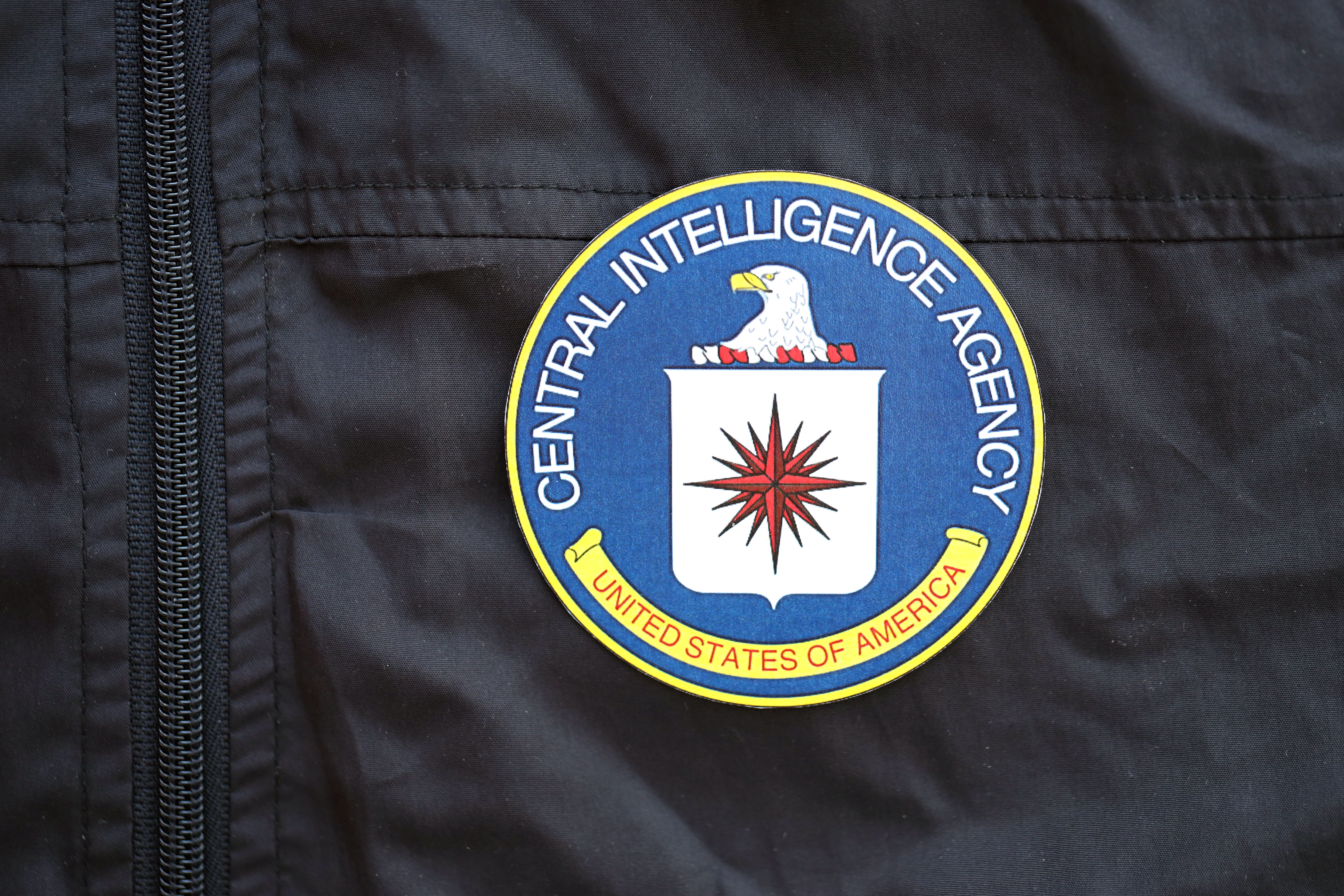
KYIV, UKRAINE - JUNE 26, 2024 United States of America Central Intelligence Agency coat of arms as pin on black uniform jacket close up
KYIV, UKRAINE - JUNE 26, 2024 United States of America Central Intelligence Agency coat of arms as pin on black uniform jacket close up (Mehaniq/ShutterStock)

Meanwhile, Trump denied reports that the Iran agreement includes an unconditional $300 million payment to Tehran, calling the claim "fake news" in a Truth Social post. "Iran has agreed that it will never possess a nuclear weapon," Trump wrote, though the memorandum itself remains classified and its specific terms have not been publicly released.

The emerging deal has already produced one tangible result: the partial reopening of the Strait of Hormuz to commercial shipping. Trump announced that numerous oil tankers are now moving freely through a newly secured southern route, though the U.S. naval blockade against Iranian ports remains in effect until a final treaty is signed. Maritime experts project a rapid escalation in traffic through the vital waterway, which had been severely restricted by ongoing military operations.

The president's confidence in the deal's next phase appears unshaken by the intelligence warnings or the internal opposition from his defense and intelligence chiefs.

Meanwhile, Israelis all consider the MoU a massive security disaster wiht long-term implications. And many Americans aren't all that impressed either.

In the end, there's one clear winner, and it's not Trump, not Israel nor the United States.

Ready for more?

Join our newsletter to receive updates on new articles and exclusive content.

We respect your privacy and will never share your information.