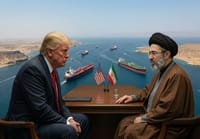
The United States carried out retaliatory strikes against Iranian targets on Friday after Tehran attacked a commercial cargo ship near the Strait of Hormuz, raising new questions about the durability of the fragile ceasefire agreement between Washington and Tehran.
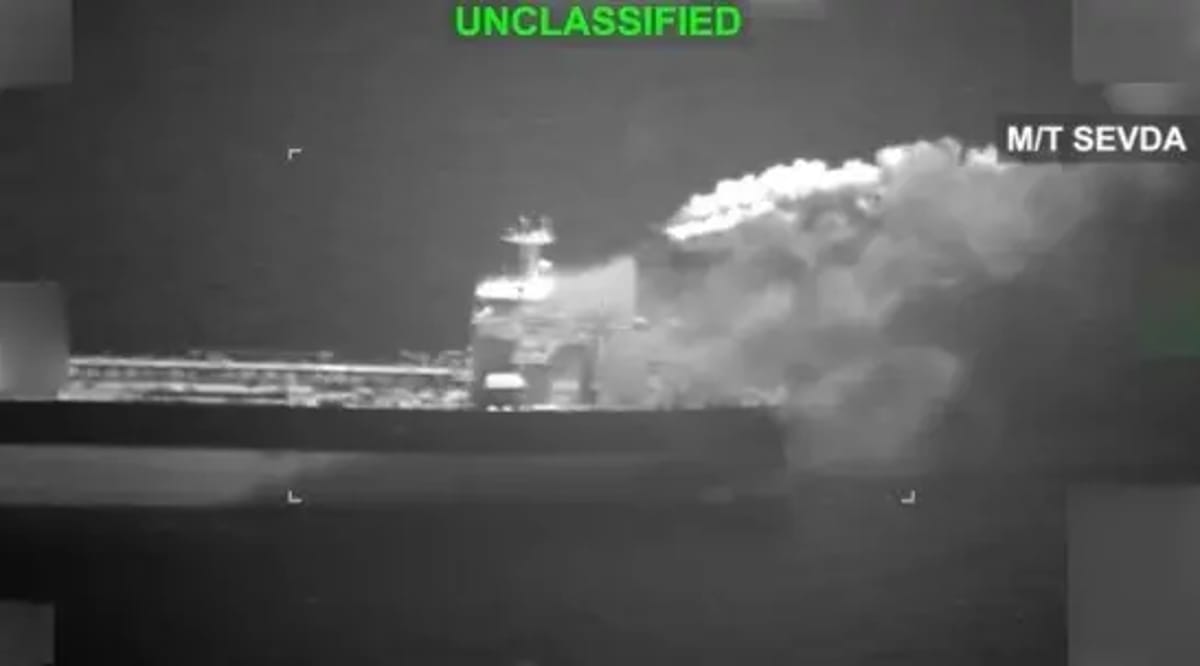
U.S. Central Command said American aircraft struck Iranian missile and drone storage sites, as well as coastal radar installations, after Iran hit the Singapore-flagged M/V Ever Lovely with a one-way attack drone on June 25. The cargo ship was exiting the Strait of Hormuz along the Omani coast at the time of the attack.
CENTCOM described the strike as a response to Iran’s “unwarranted aggression” against commercial shipping, saying the Iranian attack clearly violated the ceasefire and undermined freedom of navigation through one of the world’s most important energy corridors.
The American military said it remains present in the region and will continue to support safe passage for commercial vessels moving through the strait.
The Iranian Revolutionary Guards claimed that U.S. forces had attacked the area of Sirik Island in southern Iran and said Iranian forces had “successfully repelled” the assault. Iranian outlets also reported that Tehran was preparing a response, though U.S. media later reported that the American strikes had ended for the night.
The incident follows Thursday’s attack on the Ever Lovely, which President Donald Trump called a “foolish violation” of the ceasefire agreement. Trump said Iran launched at least four attack drones toward ships crossing the Strait of Hormuz, three of which were intercepted, while one struck the cargo vessel.
“They shouldn’t be doing that,” Trump told reporters earlier Friday.
The exchange threatens to destabilize the ceasefire, which was intended to restore the flow of commercial shipping through Hormuz and open the door to renewed talks over Iran’s nuclear program and sanctions relief.
But the strike also shows that the Trump administration is trying to draw a clear line: the ceasefire does not give Iran permission to harass commercial shipping or impose its own control over international navigation routes.
The central question now is whether Iran will respond militarily or absorb the limited American strike in order to preserve the broader agreement.
If Tehran chooses restraint, the confrontation may remain a short exchange designed by both sides to preserve deterrence without returning to full-scale war. If Iran retaliates, however, the ceasefire could quickly collapse into a renewed cycle of escalation.
For now, Washington’s message is clear: commercial ships must be allowed to move through Hormuz, and violations of the ceasefire will carry a military cost.