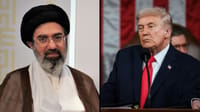
Classic strawman

JD Vance Fires Back at Israeli Critics as Iran Deal Backlash Intensifies

Vice President dismisses criticism from Israel, warns skeptics are falling for Tehran's messaging • Declares strict oversight will prevent funds from reaching Hezbollah | 'They want endless conflict' (World News)

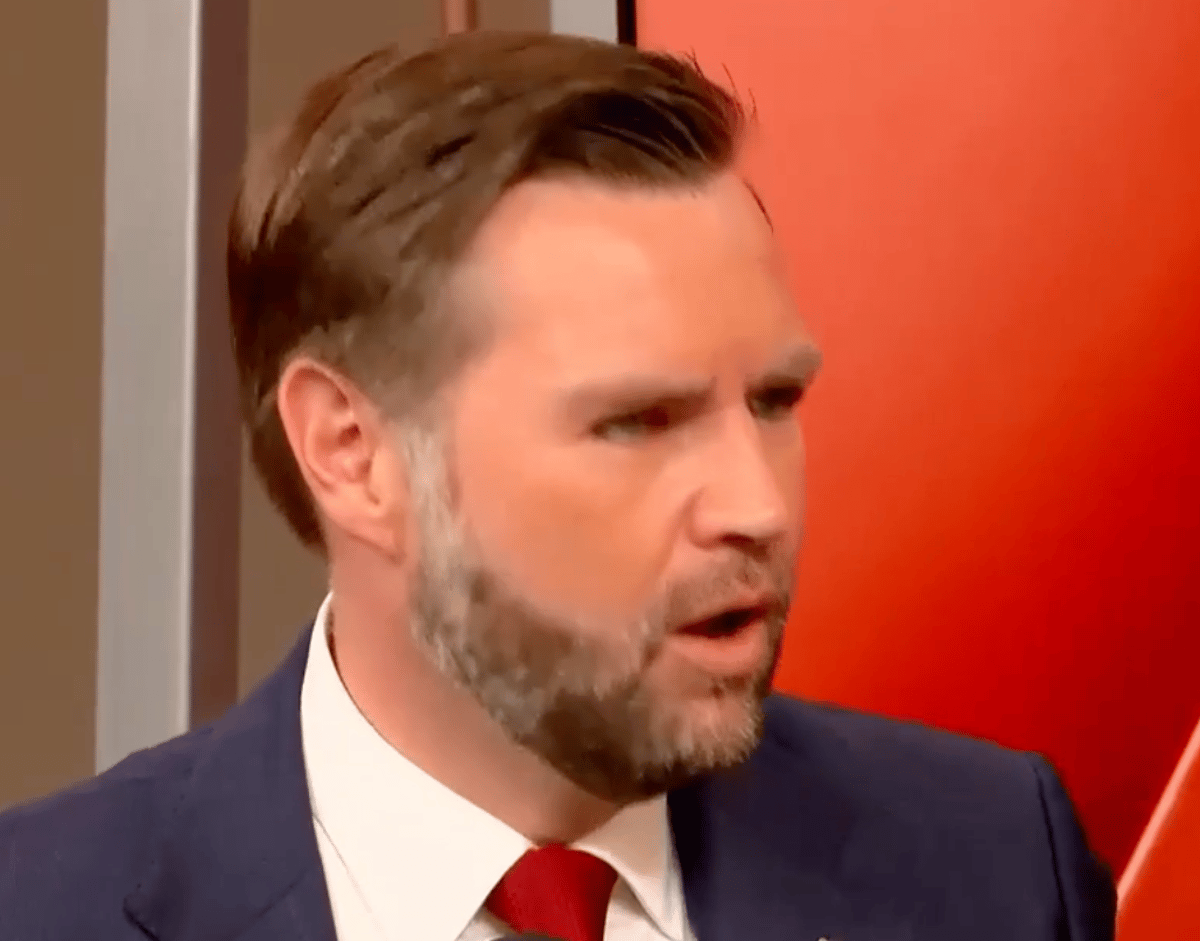
JD Vance, Benjamin Netanyahu
JD Vance, Benjamin Netanyahu (Photo: Marc Israel Sellem / POOL)

U.S. Vice President JD Vance launched a forceful defense of the emerging memorandum of understanding with Iran late Tuesday, directly confronting Israeli critics who have condemned the agreement as a strategic surrender that will empower Tehran and its terror proxies across the region.

In a combative interview with journalist Megyn Kelly, Vance dismissed the wave of criticism emanating from Jerusalem and accused skeptics of amplifying Iranian propaganda. The vice president singled out Israeli media personality Yanon Magal, who had declared President Trump a "loser" in the negotiations, and challenged the underlying assumptions driving opposition to the deal.

"Why do they believe Iranian propaganda on just one thing — the peace deal?" Vance demanded. "If you're supporting Iranian propaganda only when it's related to this peace agreement, maybe you should check yourself a bit and question your sources."
The vice president's remarks signal a deepening rift between Washington and Jerusalem over the Trump administration's diplomatic pivot toward Tehran. According to sources familiar with the negotiations, the memorandum, set to be signed Friday at Switzerland's luxury Bürgenstock resort, would unlock substantial economic relief for Iran in exchange for commitments on nuclear restraint and regional de-escalation.

Vance characterized critics as advocating for perpetual warfare rather than pragmatic diplomacy. "They're offering endless conflict and want this to continue until all the bombs fall or until every Iranian dies," he stated. "That's not what the president wants."

Strict Oversight Promised

Addressing concerns that sanctions relief would finance Hezbollah and other Iranian-backed militias, Vance outlined what he described as rigorous monitoring mechanisms designed to prevent funds from flowing to terror organizations. The vice president emphasized that any economic benefits would be contingent on verifiable changes in Iranian behavior.

"If Iran finances Hezbollah, we will not allow the pile of unfrozen assets to flow to the Iranians," Vance declared. "We will closely monitor every movement of money and ensure it reaches only legitimate civilian projects."

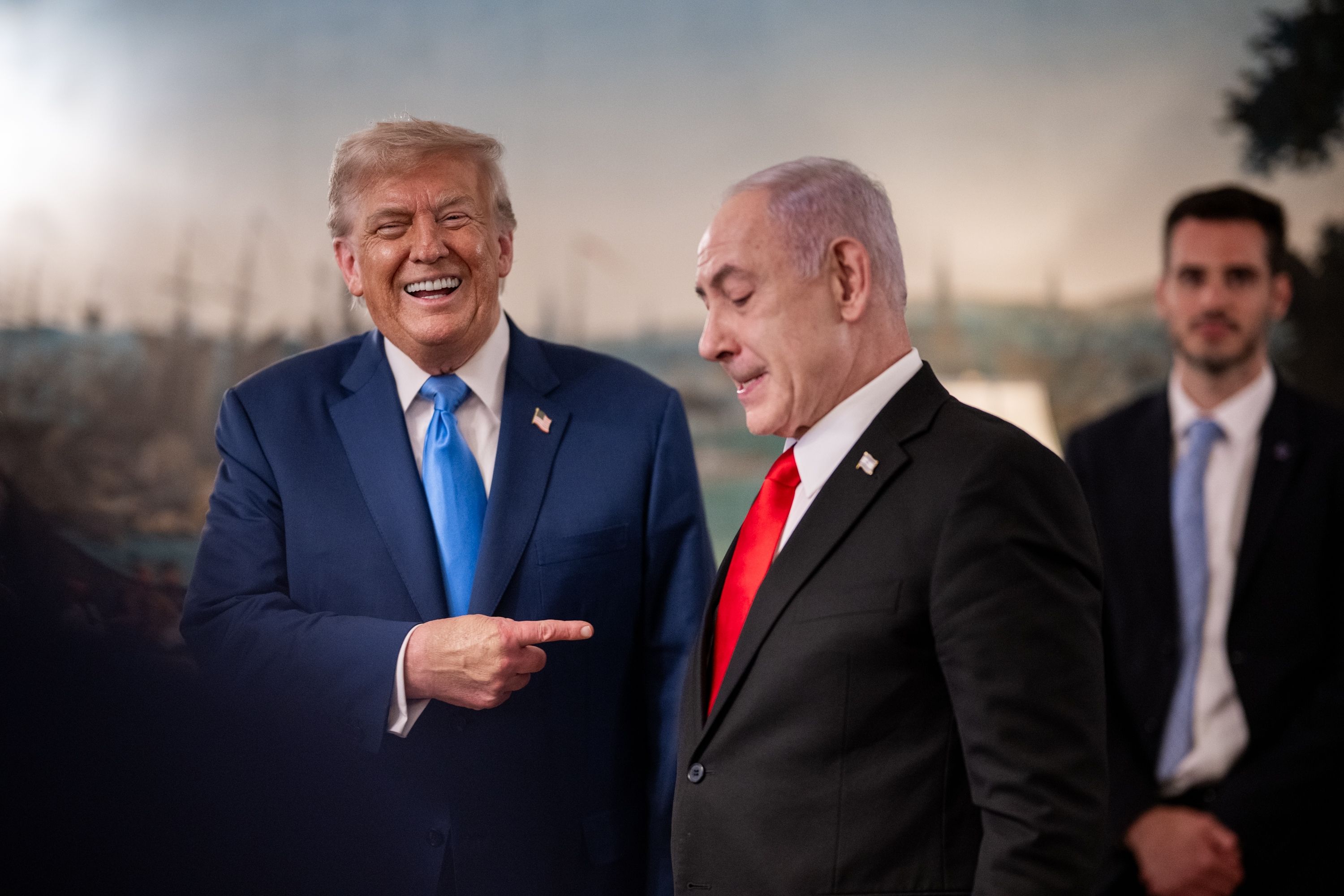
President Donald Trump and Israeli PM Benjamin Netanyahu
President Donald Trump and Israeli PM Benjamin Netanyahu (Photo: Rawpixel.com / Shutterstock)

The assurances come as Israeli security officials warn that Supreme Leader Mojtaba Khamenei has no genuine interest in a final nuclear agreement. According to assessments circulating in Jerusalem, Tehran's approval of the framework stems purely from immediate economic interests, particularly the desire to reopen the Strait of Hormuz and inject desperately needed capital into Iran's sanctions-battered economy.

Vance pushed back against characterizations that the United States is handing Iran a "blank check." He framed the agreement as part of a broader regional peace architecture that would include Gulf states, Israel, and Lebanon, with economic incentives serving as leverage rather than unconditional gifts.

"This is about a regional peace deal," the vice president explained. "It's going to include the Gulf states, it's going to include Israel, and it's going to include Lebanon. We're not giving Iran a blank check, we're saying if the Iranians change their behavior, we'll allow some of these other countries to invest in rebuilding their nation and create some prosperity for their people. That's a good thing, isn't it?"

Internal White House Tensions

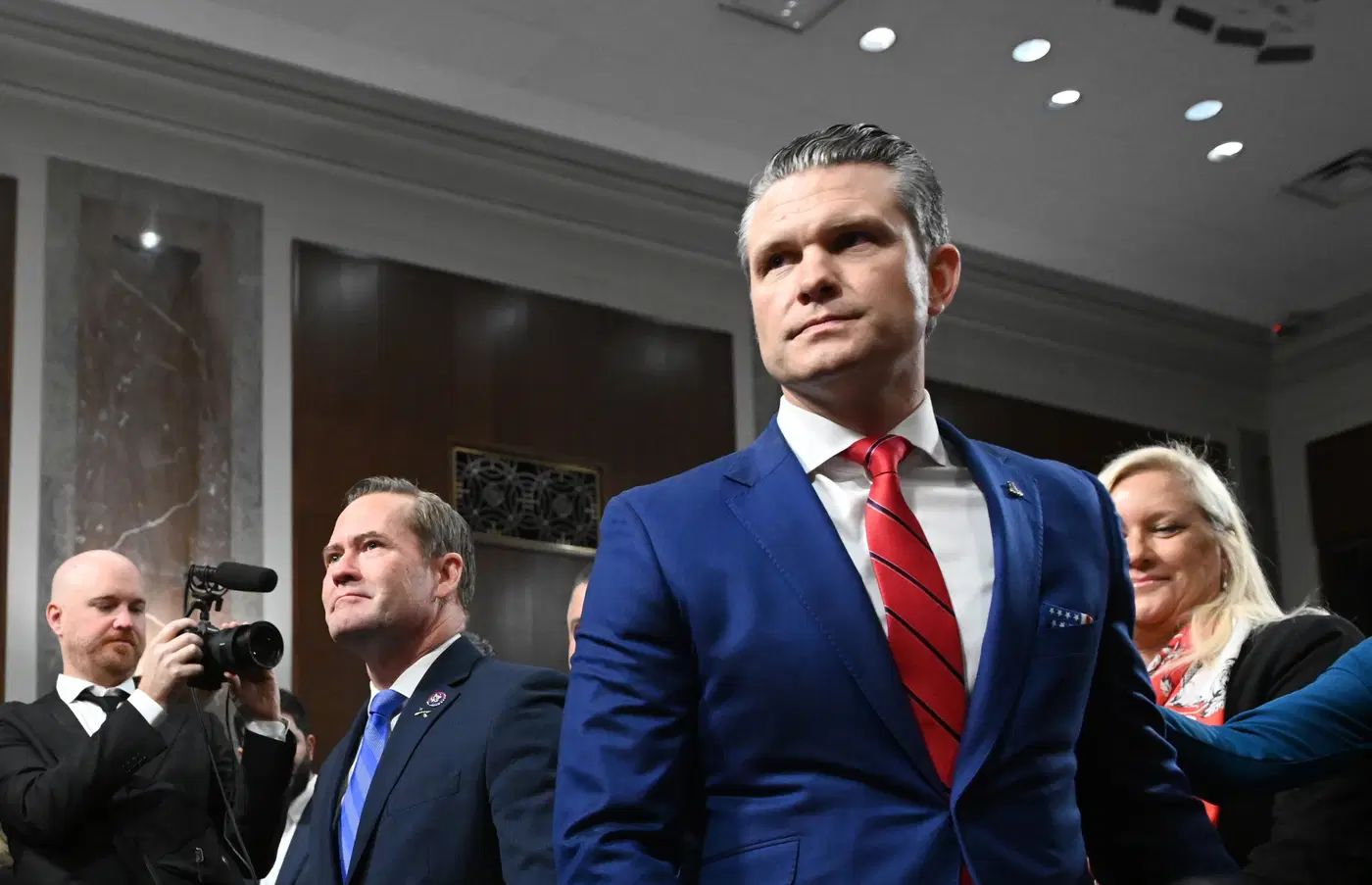
The vice president's public defense comes amid reports of significant internal opposition within the Trump administration. According to sources who spoke to MSN, Secretary of State Marco Rubio and Defense Secretary Pete Hegseth have expressed deep skepticism about the agreement, arguing that Iran remains vulnerable to economic pressure and that easing sanctions now would squander strategic leverage.

Secretary of Defense Pete Hegseth
Secretary of Defense Pete Hegseth (Photo: Shutterstock)

A senior administration official warned that continued resistance from cabinet members could carry professional consequences, stating that those who persist in opposing the deal "may pay a personal price."

CIA Director John Ratcliffe has also reportedly expressed doubts about Iranian intentions, telling senior officials that intelligence assessments suggest Tehran may exploit any agreement to buy time for its nuclear program while pocketing economic benefits.

The memorandum, according to a 14-point framework reported by Al Arabiya, would commit both nations to an immediate cessation of hostilities, mutual respect for sovereignty, and a 60-day negotiating window to finalize a comprehensive agreement. Critics in Israel warn the document effectively sidelines Jerusalem from decisions that directly impact its security while preserving Iran's nuclear infrastructure during negotiations.

As the Friday signing ceremony approaches, the fundamental question remains whether strict oversight mechanisms can transform a transactional agreement into genuine behavioral change — or whether, as Israeli skeptics warn, the deal will simply finance the next round of conflict.

Ready for more?

Join our newsletter to receive updates on new articles and exclusive content.

We respect your privacy and will never share your information.