"We Could Have Erased Iran": Israeli Minister Fires Back at Trump After G7 Humiliation
Culture Minister Miki Zohar declares Israel could have obliterated Iran but chose restraint out of respect for U.S. alliance • Pushes back on Trump's claim that Israel wouldn't exist without him | The sharp response to presidential criticism (Israel News)

Israeli Culture and Sports Minister Miki Zohar delivered a pointed rebuke to former President Donald Trump on Tuesday, declaring that Israel possessed the military capability to "erase Iran from the face of the earth" but chose restraint out of respect for its alliance with the United States.
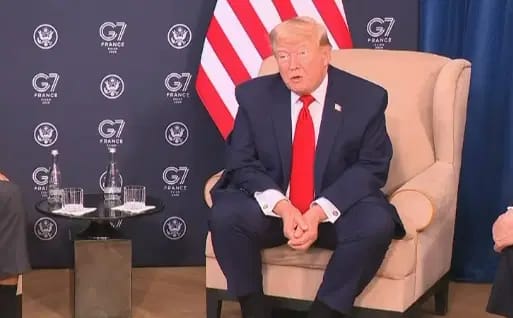
The sharp response came during an interview on Channel 14, following Trump's recent statements at the G7 summit in which he claimed that "if not for me, Israel wouldn't exist today" and criticized Prime Minister Benjamin Netanyahu's handling of regional threats.
"We respect him very much, we love him very much, and he has done a tremendous amount for the State of Israel," Zohar stated, opening his remarks with diplomatic courtesy before pivoting to a firm correction. "But I must set the record straight."
"Israel Could Have Obliterated Iran"
The minister laid out Israel's strategic calculus in stark terms, revealing the extent of military options Jerusalem considered — and ultimately rejected — in confronting the Iranian nuclear threat.
"Israel was not only present and existing in every scenario, but we could have struck Iran in such a way that they would have had no electricity, no water, and no food — if we had wanted to," Zohar declared, his words underscoring Israel's independent military capacity.
According to the minister, the decision to exercise restraint stemmed from strategic considerations and alliance management, not military limitations. "We didn't do it because we respected the United States, and we would not allow Iran to endanger Israel's security any more than they already wanted to endanger it or destroy us," he explained.
The remarks come against the backdrop of Trump's emerging nuclear framework with Tehran, which has triggered sharp divisions both within the U.S. administration and between Washington and Jerusalem.

Restraint as Strategic Choice, Not Weakness
Zohar emphasized that Israel's measured response to Iranian provocations reflected sophisticated strategic thinking rather than dependence on American protection. "If Israel had wanted to, and it could have — and everyone knows it could have — it could have erased Iran from the face of the earth, on its own," the minister stated.
He framed the decision within broader regional stability considerations: "We didn't do it because we respect the United States. We want to build a logical infrastructure in the Middle East and not create unusual chaos and unusual destruction. We are a very responsible state."
The minister's comments reflect growing frustration in Jerusalem over what Israeli officials perceive as Trump's pattern of publicly criticizing Netanyahu while simultaneously negotiating with Iran. At the G7 summit, Trump suggested that Syria could handle Hezbollah better than Israel and accused Netanyahu of being insufficiently "responsible" in Lebanon.

"Israel Can Stand Alone"
In closing his remarks, Zohar delivered what amounted to a declaration of strategic independence, even as he reaffirmed Israel's preference for alliance coordination.
"Israel could stand alone. It might have been higher costs, and we would have paid harder prices here on the Israeli home front, perhaps also in the military, but we could have stood and struck Iran in a brutal way unlike anything seen before," the minister warned.
He added a crucial caveat: "Israel did it in a measured and decent way. And I repeat: Israel can stand alone. It doesn't want to stand alone, it wants cooperation with the United States, but Israel can stand alone if necessary."
The exchange highlights the delicate balance Israeli leaders must strike between maintaining the U.S. alliance and asserting Jerusalem's capacity for independent action — a tension that has intensified as Trump pursues diplomatic engagement with Iran over the objections of his own intelligence and defense chiefs.