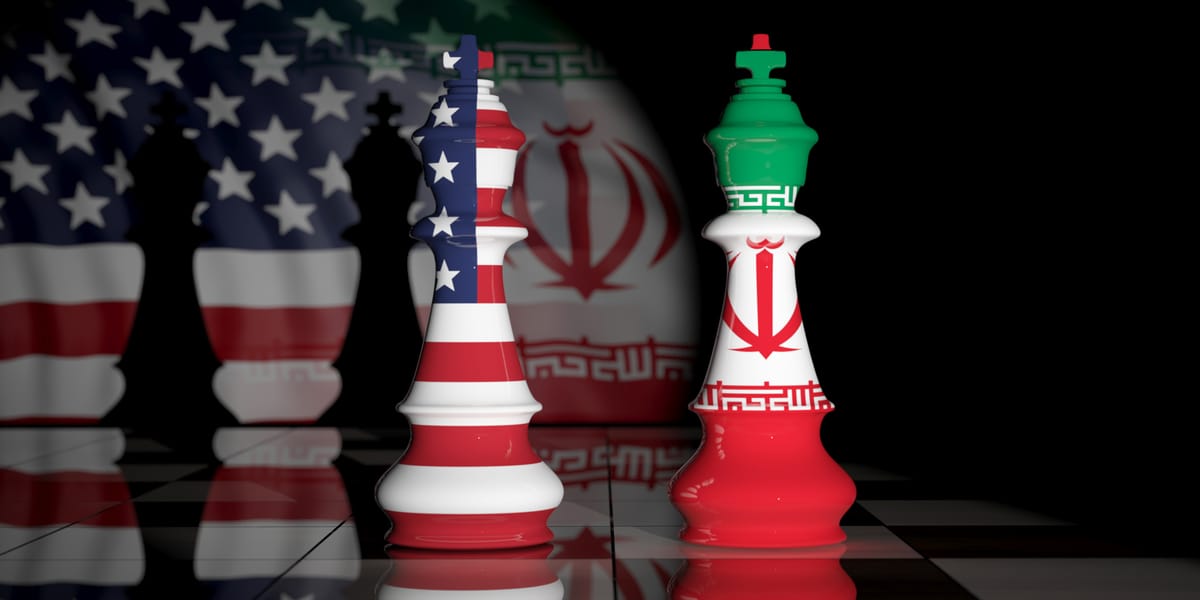
There is a version of this story where Iran walks away from the June 17 memorandum of understanding looking like the reasonable party. A ceasefire. A reopened Strait of Hormuz. A sixty-day waiver on oil sanctions worth billions to a regime bleeding cash after a brutal air war. Frozen assets released. Not one demand that Tehran give up an ounce of enriched uranium before talks even began. If ever a hostile regime was handed a soft landing after losing a war, this was it.
Iran could not make it sixty days. It could not make it nine.
Just over a week after the ink dried, an Iranian drone struck a commercial vessel transiting the strait Tehran had just agreed to keep open. The excuse offered up by American officials afterward, that radical factions inside the regime fired on the ship to claw back leverage they felt they had surrendered at the table, tells you almost everything you need to know about why this kept happening. It was not a fluke. It was not miscommunication. It was a regime unable to stop itself from testing whether anyone would actually enforce the terms it had just signed.
And that, more than any clause about "best efforts" or transit fees, is the real story here. We keep discovering, deal after deal, going back decades, that the hardest thing to negotiate with the Islamic Republic is not the substance. It is trust that the ink will mean anything once the cameras leave the room.
I want to be fair to the diplomats, because there is a genuine reading of the strait language that let both sides walk away believing they had won something. Iran needed to use "best efforts" for safe passage, "with no charge for 60 days only." Washington heard a bridge to a permanently open, toll-free waterway. Tehran heard permission to eventually charge whatever it liked once the clock ran out. That is the kind of vague sentence negotiators write when they need a signature more than they need clarity, and it is the kind of vague sentence that blows up the first time either side tries to cash it in on its own terms.
Fine. Ambiguity happens. But grown-up governments usually manage it without shooting at tankers.
What they cannot manage away is the deeper problem, the one American officials have started saying out loud: there appears to be a live power struggle inside the Iranian regime over whether to actually implement what was signed. Axios reported that U.S. officials believe elements within the Iranian system want a deal, while others do not, and that Washington cannot make Tehran's internal decisions for it. Sit with that for a moment. This is not a case of one government negotiating with another. It is a case of America negotiating with a government that cannot guarantee its own soldiers won't unilaterally reignite a war it just ended.
For those of us who watch Iran through the lens of what it has done, and continues to do, to Israel through Hezbollah, through the proxies in Gaza, through the ballistic arsenal it has spent two decades building, none of this should be surprising. This is the same regime that used the 2015 nuclear deal's sanctions relief to fund the very terror network that attacked Israel on October 7th, 2023, and the network that has been raining fire on northern Israel and forcing Israeli soldiers into Lebanon ever since. A government whose factions cannot resist provoking a fight during a ceasefire it desperately needed is not a government that intends to keep faith with a nuclear agreement either. It is a government buying time, testing seams, and hoping the West's appetite for enforcement runs out before its own appetite for defiance does.
President Trump's response, hitting some ninety targets and pulling the oil waiver entirely rather than answering proportionally, was blunt and, frankly, overdue. Half measures got us here. Iran has spent this entire process treating American patience as a resource to be mined, not a courtesy to be honored. A regime that reads restraint as weakness only understands consequences that cost it something real.
There will be more Muscat meetings. There will be more statements about "best efforts" and "de-escalation." Maybe there will even be another framework with another sixty-day clock. But those of us watching from Jerusalem, from Beit Shemesh, from every place where the price of Iranian brinksmanship gets paid in Israeli lives and not just oil futures, should not mistake diplomatic language for good faith. Iran was given a gift. It could not help itself. That is not a footnote to this story. It is the story.