Mount Everest
Comprehensive coverage of the world's highest mountain, including climbing expeditions, environmental challenges, and breaking news from the Himalayas
Mount Everest, standing at 8,849 meters (29,032 feet) above sea level, is the Earth's highest mountain peak, located in the Majestic Himalayas on the border between Nepal and Tibet. Known as Sagarmatha in Nepali and Chomolungma in Tibetan, this iconic summit has captivated mountaineers, scientists, and adventurers since its first successful ascent by Sir Edmund Hillary and Tenzing Norgay in 1953. The mountain continues to draw hundreds of climbers annually, making it a focal point for discussions about mountaineering achievement, environmental conservation, and the limits of human endurance.
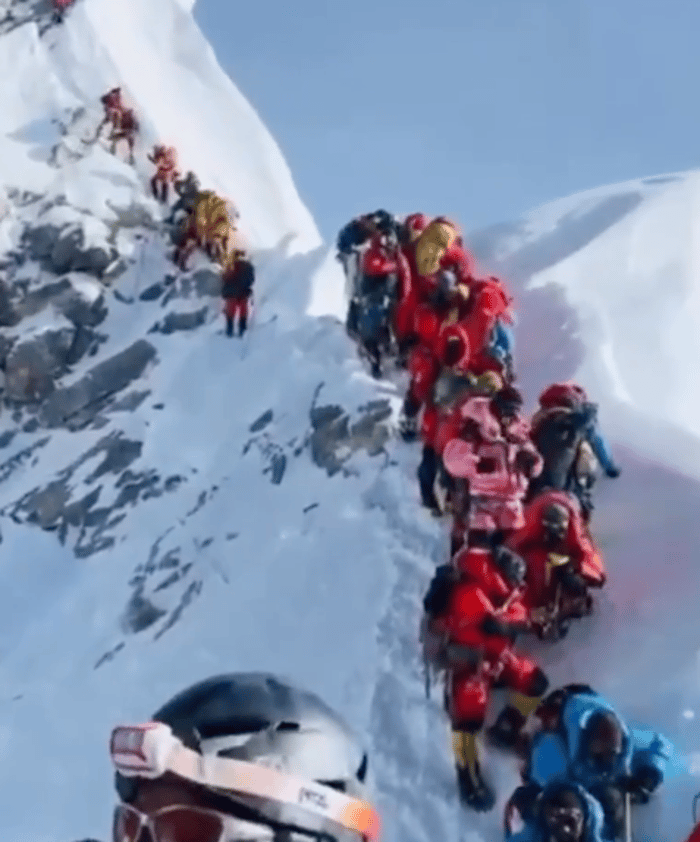
The mountain faces ongoing challenges related to climate change, overcrowding, and environmental degradation. Rising temperatures have accelerated glacier melting, altered climbing conditions, and exposed decades of accumulated waste and human remains. The increasing commercialization of Everest expeditions has sparked debates about safety standards, environmental responsibility, and the preservation of the mountain's natural and cultural significance. These issues have prompted both Nepal and China to implement stricter regulations regarding climbing permits, waste management, and expedition requirements.
Mount Everest's climbing season, typically occurring in April and May when weather conditions are most favorable, sees hundreds of mountaineers attempting to reach the summit. The standard routes—the South Col route from Nepal and the North Col route from Tibet—present extreme challenges including altitude sickness, avalanches, icefalls, and unpredictable weather patterns. The "death zone" above 8,000 meters poses severe risks due to oxygen deprivation, with climbers requiring supplemental oxygen and facing life-threatening conditions that test physical and mental limits.
The economic impact of Everest expeditions on local communities, particularly the Sherpa people of Nepal, is substantial. Climbing permits generate significant revenue for the Nepali government, while expedition support services provide crucial income for mountain communities. However, this economic dependence has raised concerns about the exploitation of local guides and porters, who face disproportionate risks while supporting commercial expeditions. The role of Sherpas as essential partners in Everest climbing has gained increasing recognition and respect within the mountaineering community.
Scientific research on Mount Everest has provided valuable insights into climate change, high-altitude physiology, geology, and atmospheric conditions. Researchers have documented the retreat of glaciers, changes in snow and ice composition, and the impact of human activity on this fragile ecosystem. The mountain serves as a natural laboratory for studying extreme environments and their response to global environmental changes, contributing to broader understanding of climate patterns and their effects on high-altitude regions worldwide.
Recent years have witnessed tragic accidents, record-breaking ascents, and ongoing efforts to clean up the mountain. The accumulation of waste, abandoned equipment, and human remains has led to organized cleanup expeditions aimed at preserving Everest's environment. Innovations in climbing technology, weather forecasting, and safety protocols continue to evolve, though the fundamental dangers of high-altitude mountaineering remain. The mountain's allure persists despite these challenges, symbolizing human ambition and the enduring appeal of conquering nature's most formidable obstacles.