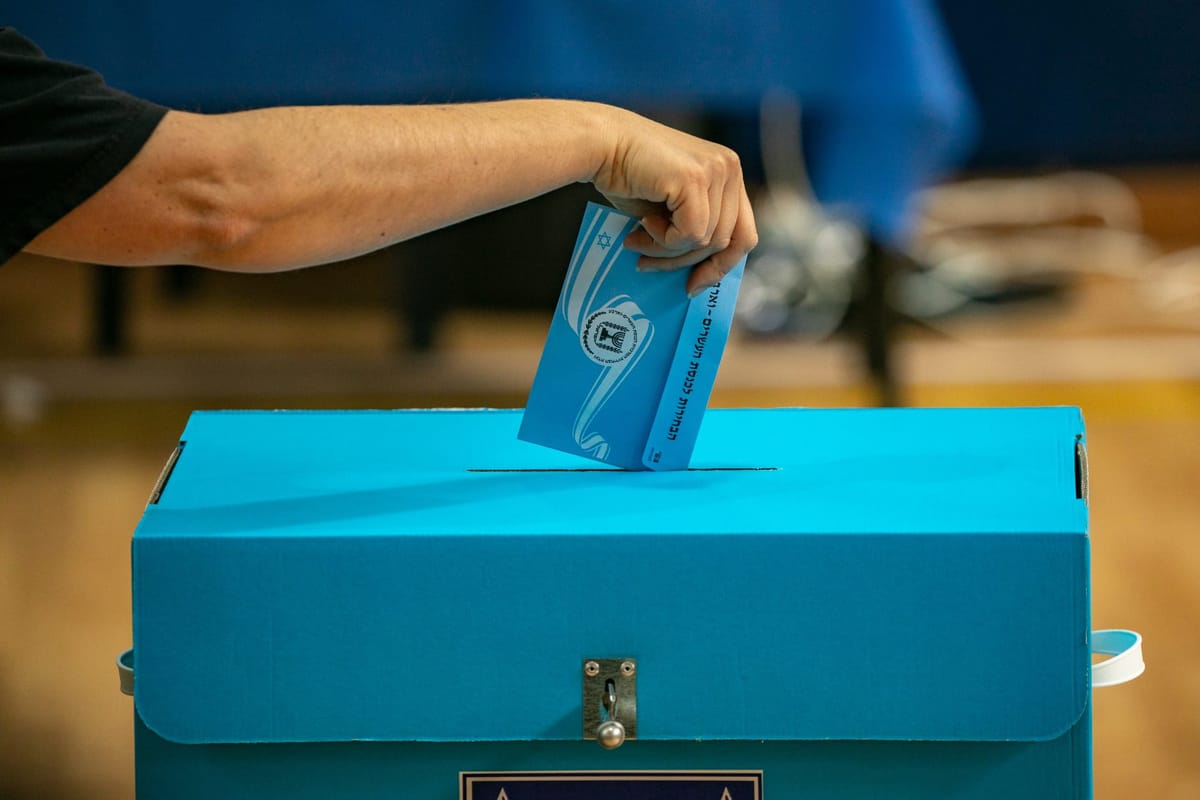
In an era when people transfer money with a tap, pay for bus rides with their phones, and manage nearly every aspect of life through screens, democracy remains stubbornly analog. Across most of the world, voters still mark paper ballots and drop them into physical boxes.
The resistance isn't primarily technological, it's psychological. The core concern centers on public trust: when computers count votes, citizens cannot independently verify their ballots were recorded correctly. Meanwhile, skilled hackers could potentially manipulate results remotely, altering election outcomes at the behest of whoever pays them. The fear is that replacing human poll workers with machines means replacing accountable individuals with opaque systems vulnerable to invisible tampering.