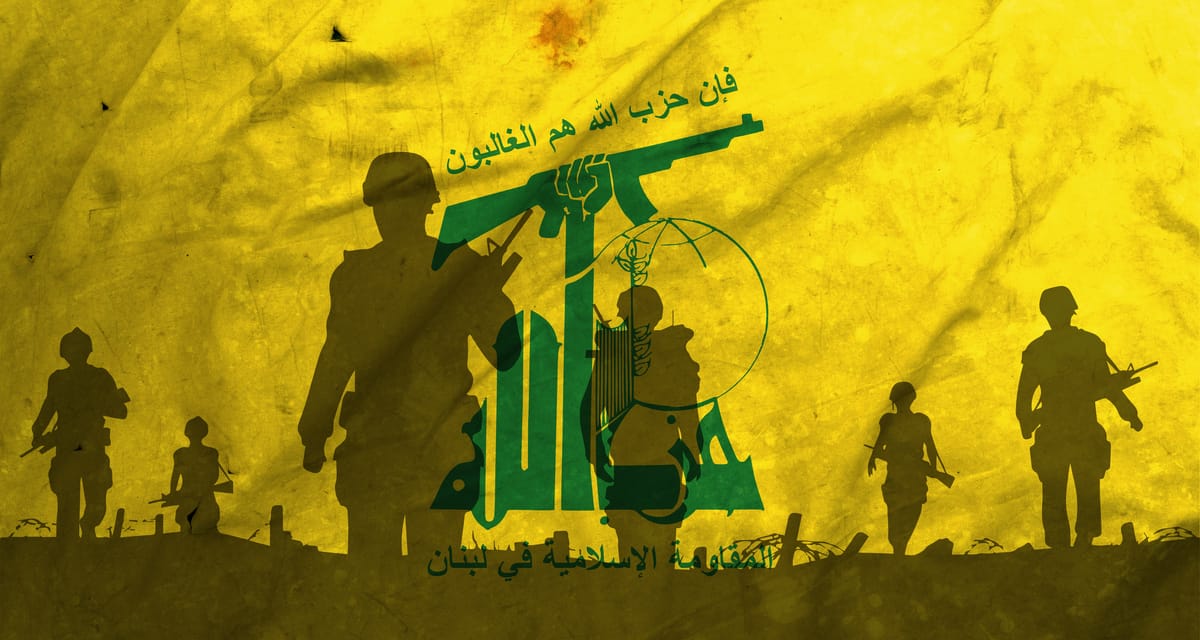
In a decision that defies strategic prudence and underscores the perils of proxy warfare, Hezbollah has unilaterally violated the U.S.-brokered ceasefire of November 2024 by launching missile and drone attacks against Israeli targets on March 2, 2026.
This breach, framed by the group as a response to the assassination of Iran's Supreme Leader Ali Khamenei and ongoing U.S.-Israeli operations, represents a profound error in judgment, potentially providing Israel with a casus belli to dismantle Hezbollah's infrastructure and escalate the conflict beyond its current confines.
The provocation targeted critical Israeli assets, including a missile defense installation south of Haifa and the Ramat David airbase, employing a coordinated salvo of drones and projectiles. Such actions come after a 15-month period of relative stability, during which Hezbollah had ostensibly adhered to the truce following significant losses in prior engagements.
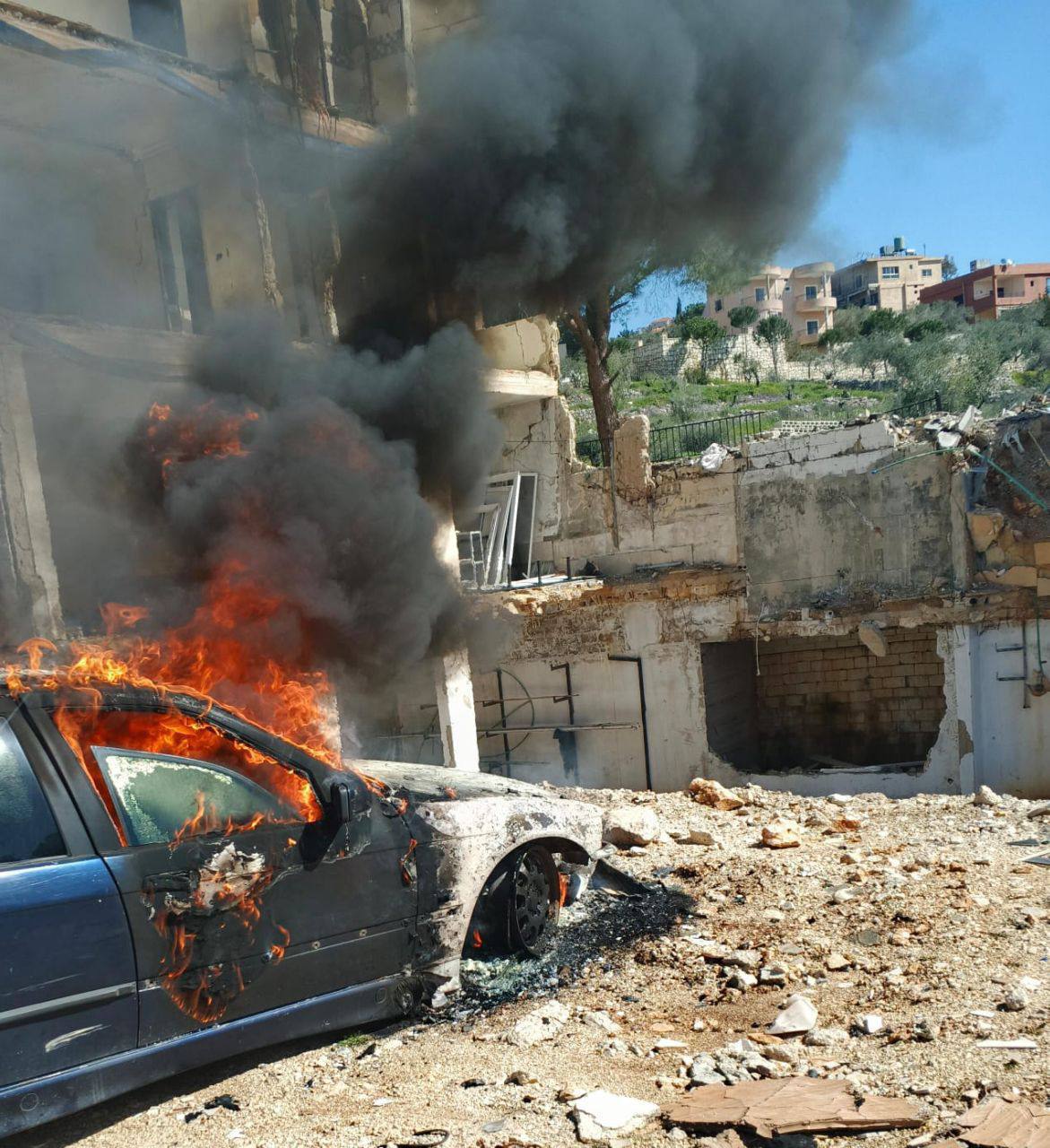
Analysts contend that this resurgence is less an act of calculated defiance and more a reflexive alignment with Tehran's directives, exposing the organization's dependency on Iranian patronage at a moment when the Islamic Republic's military capabilities are severely degraded.Israel's response was swift and proportionate, initiating airstrikes on Hezbollah command centers, weapon depots, and operational hubs in Beirut's southern suburbs and across southern Lebanon.
By March 3, these operations had eliminated Hezbollah's intelligence chief and inflicted substantial casualties: at least 52 fatalities, predominantly among terrorists, and 154 injuries, prompting widespread civilian evacuations and infrastructural disruptions.