It has become fashionable to criticize the Israeli government, but intellectual honesty demands that we also recognize when Jerusalem gets it right.
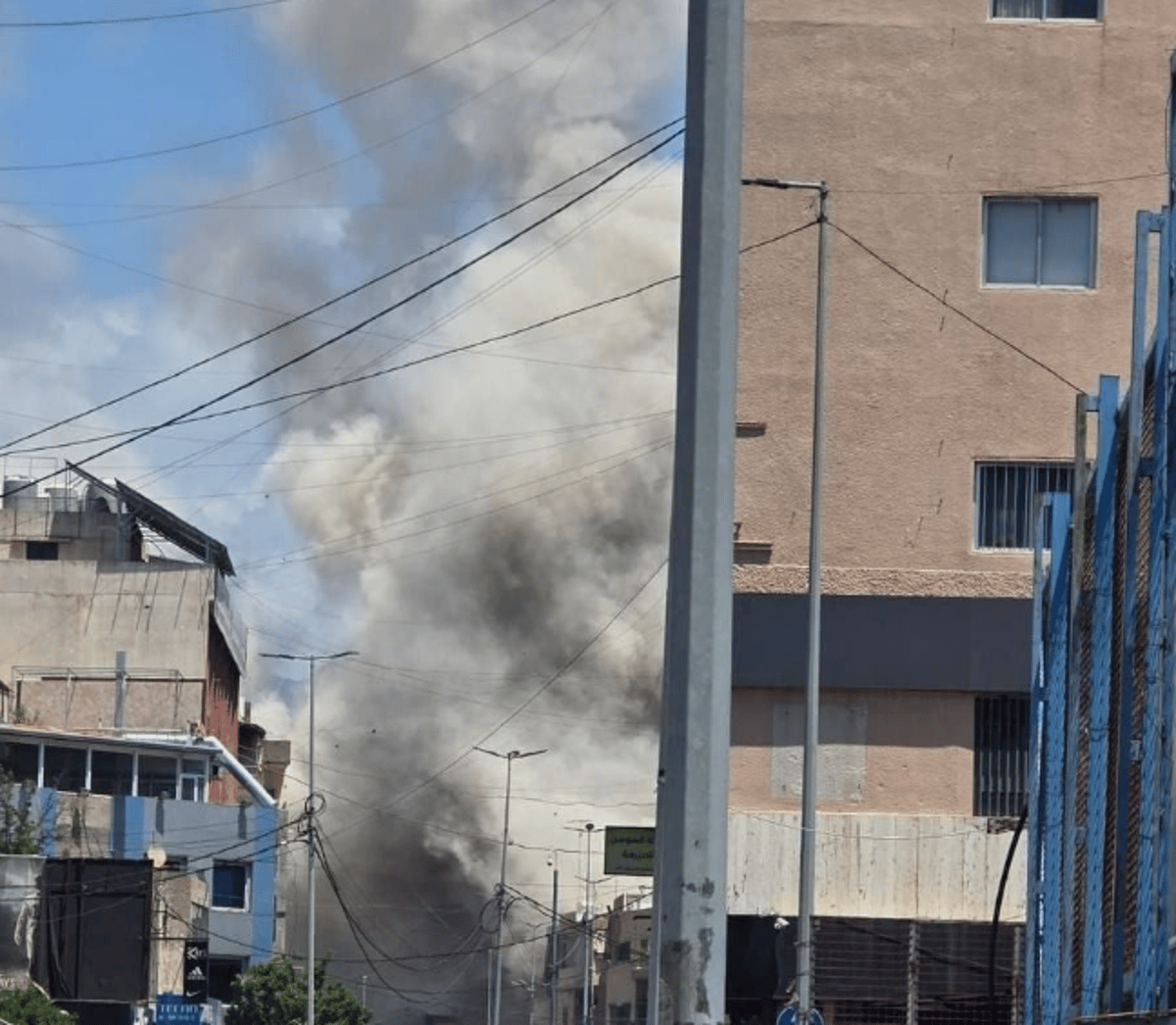
This morning, when Hezbollah rockets struck Israeli territory, Israel responded. That may sound unremarkable. It isn't. Behind closed doors, the pressure on Jerusalem to stay quiet, to absorb the fire, to protect the diplomatic process, is immense. A lesser government, or a true client state, would have complied. It would have swallowed the provocation to keep Washington happy and the negotiations alive.
Israel didn't. And that matters enormously.
There is still plenty of work to do. No one should mistake a single correct decision for a comprehensive strategy. But credit where it is due: Israel demonstrated today that its security decisions are made in Jerusalem, not in Washington. That is not a small thing.
Now turn to Tehran. Iran faces a genuine strategic dilemma in the wake of today's exchange. It can absorb the Israeli response and protect its nuclear negotiations with the Trump administration, or it can retaliate and preserve the deterrence equation that is the cornerstone of its regional power. The conventional wisdom in Western capitals is that Iran will choose the deal. I wouldn't be so sure.
Iran's leadership has never placed diplomacy above honor. They understand, perhaps better than their negotiating partners, that agreements like the one being discussed are temporary instruments, subject to reversal with the next administration, the next crisis, or the next Israeli election. What is not temporary is regional perception. If Iran is seen to absorb Israeli strikes without consequence during the very weeks it is sitting at the negotiating table, it signals weakness to every proxy, every rival, and every ally watching from Beirut to Baghdad.
My assessment: Iran responds. The negotiations will stagger, perhaps survive in some diminished form, but Tehran will not allow the deterrence architecture it has spent decades building to collapse for the sake of an agreement it already considers fragile.
Israel called the bluff this morning. Iran will now have to decide whether it can afford to let that stand.