

Get our mobile app
Download on the App StoreGet it on Google Play

Knesset Finance Committee Hearing

Treasury Not Told in Advance of US Aid Halt

Budget officials told a Knesset hearing that losing American security aid would cost about half a percent of GDP a year, as coalition and opposition lawmakers split over the move.

The Knesset Finance Committee hearing on Monday

Senior Finance Ministry officials told a Knesset hearing on Monday that they had no advance warning of US President Donald Trump's announcement ending American security aid to Israel, and learned of it at the same time as the public.

The Knesset's temporary Finance Committee held an emergency session on the macroeconomic consequences of halting the aid. The meeting was chaired by MK Liran Avisar Ben Horin. Officials from the ministry's Budget Department presented figures showing how heavily Israel relies on US assistance and outlined the budget challenges ahead.

Shira Amiel Ben Abba, the deputy budget commissioner responsible for the defense budget, said in response to lawmakers' questions that the ministry had been caught completely off guard. "We didn't know about the announcement. Before the president of the United States announced it, there was no staff work on this matter that we knew of in advance," she said. She added that officials still do not know whether the aid cutoff will take effect at the end of this year or only when the current agreement expires at the end of 2028.

Under the current 2019 to 2028 agreement, Israel receives $3.8 billion in aid a year. Amiel Ben Abba said that beyond the funds remaining under that agreement, Israel has already signed dollar commitments of about $24.8 billion for the next decade, starting in 2029. Israel's total reliance on the aid comes to more than $31 billion.

Treasury officials said losing the aid would cost the economy about half a percent of GDP a year, roughly NIS 12 billion. That comes on top of an existing gap of about NIS 25 billion that the Defense Ministry is requesting beyond its current NIS 161 billion budget.

Tamar Levi Bone, another deputy budget commissioner, said defense spending has climbed from 4.4% of GDP in 2022 to 8% in 2026. Over the same period, the average deficit during the war years rose to 5.1%, and the debt-to-GDP ratio grew from 60% to about 69%. Legislative changes made to fund the war raised the tax burden by a full percentage point of GDP.

Amiel Ben Abba also pointed to a debt of about NIS 8.5 billion to the defense industries carried over from 2025. She noted a military buildup plan agreed by the prime minister worth about NIS 350 billion, to be spread over 13 years starting in 2027. Officials said that if the US money does not arrive, the incoming government will have to draw up the 2027 budget using some mix of lower defense spending, cuts to civilian budgets, more borrowing or higher taxes.
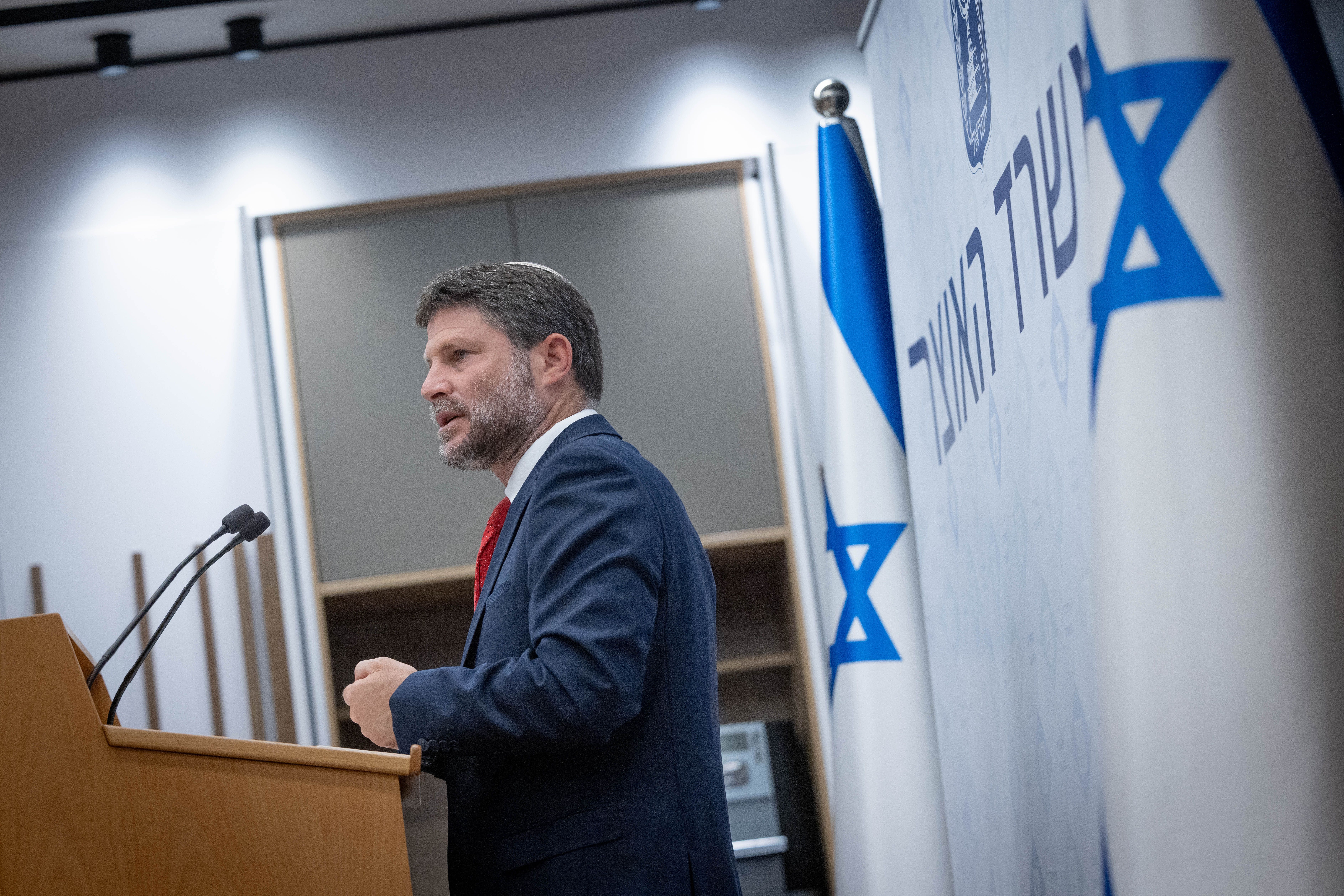

Finance Minister Bezalel Smotrich
Finance Minister Bezalel Smotrich (Photo: Chaim Goldberg/Flash90)

The figures prompted sharp exchanges among committee members. Avisar Ben Horin said she was deeply troubled. "It really disturbs me as a citizen that senior Finance Ministry officials sit here and declare: 'We didn't know, we got up in the morning and heard an announcement by the president of the United States along with the rest of the world.' It disturbs me that the next agreement is also committed. The result is one thing, that this money comes back in the form of taxes on the citizens who work and serve," she said.

MK Shaul Meridor directed his criticism at Prime Minister Benjamin Netanyahu. "The prime minister makes a decision alone, that he is giving up NIS 24 billion, without staff work. The Israeli public is going to pay NIS 12 billion more every year, not because it's necessary, but because Netanyahu decided he felt like giving up existing rights without consulting the professionals. The government has brought us to an unprecedented low on the international level," he said.

MK Noam Tibon said "it's not clear what deal Netanyahu made with Trump. Decisions by one person, that's not how a country works." He warned of possible shortages of munitions that cannot be produced in Israel and of the budget hole being placed on the shoulders of citizens.

Coalition lawmakers took a different view. MK Hanamel Dorfman said the move was positive in the long run. "In the end, in the long term, this is welcome. Dependence on American aid is not right. We are a sovereign state, and in the security field too we have our own priorities. It would be right, ahead of the next agreement, to set priorities at home and not rely on outside parties," he said.

MK Yitzhak Kroizer agreed in principle, saying "there is logic here in reducing dependence while building up the strength of the State of Israel through a different aid budget." He questioned, however, why the system had not prepared in advance for such a scenario.

Closing the session, Avisar Ben Horin said the committee would hold follow-up hearings and would call more senior officials to explain how the state plans to close the budget gap. The hearing comes as rising prices are already weighing on the public.

Ready for more?

Join our newsletter to receive updates on new articles and exclusive content.

We respect your privacy and will never share your information.

Enjoyed this article?

Yes
No
Follow Us:

Unmissable content


Loading comments...

Also of Interest