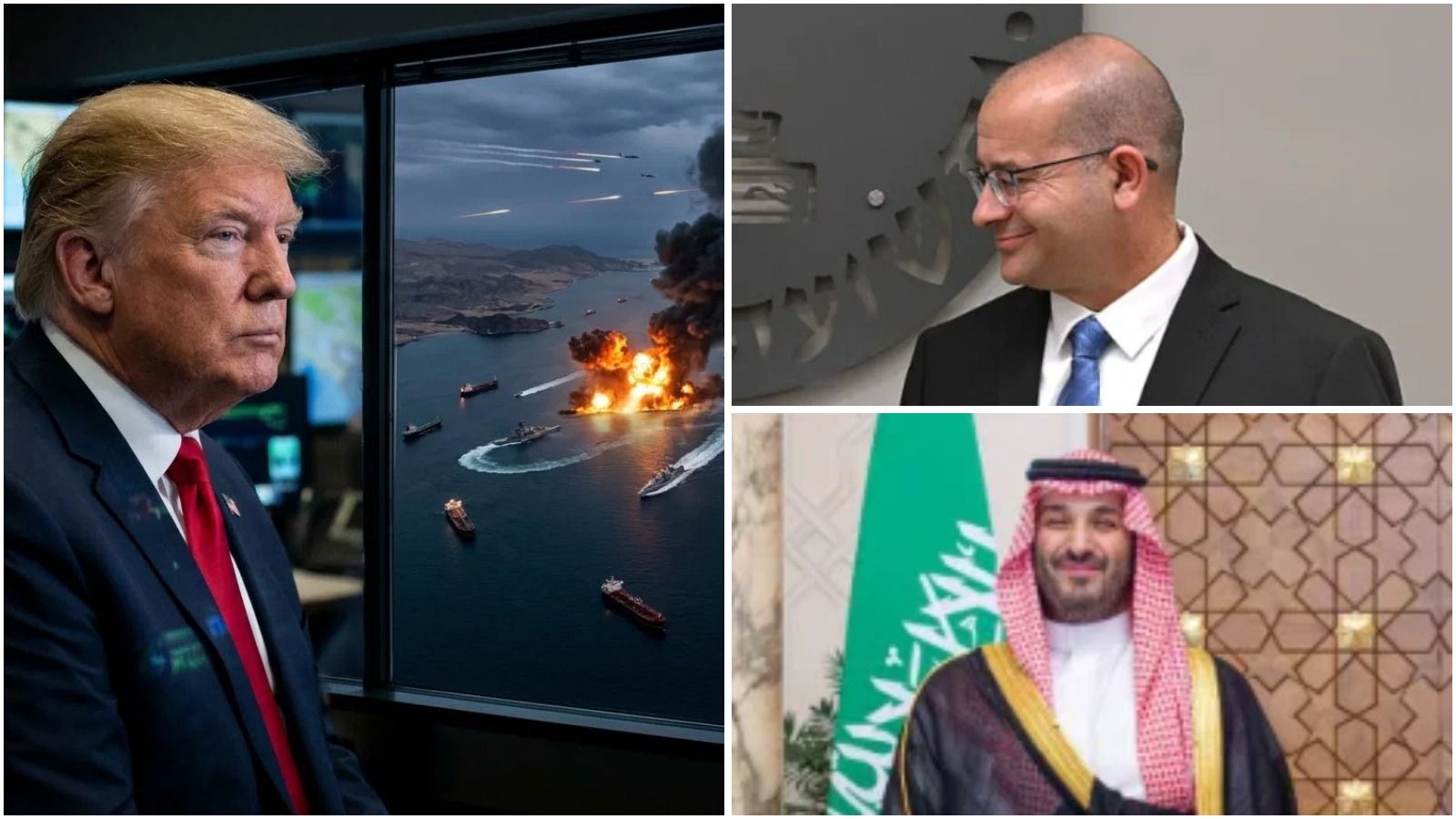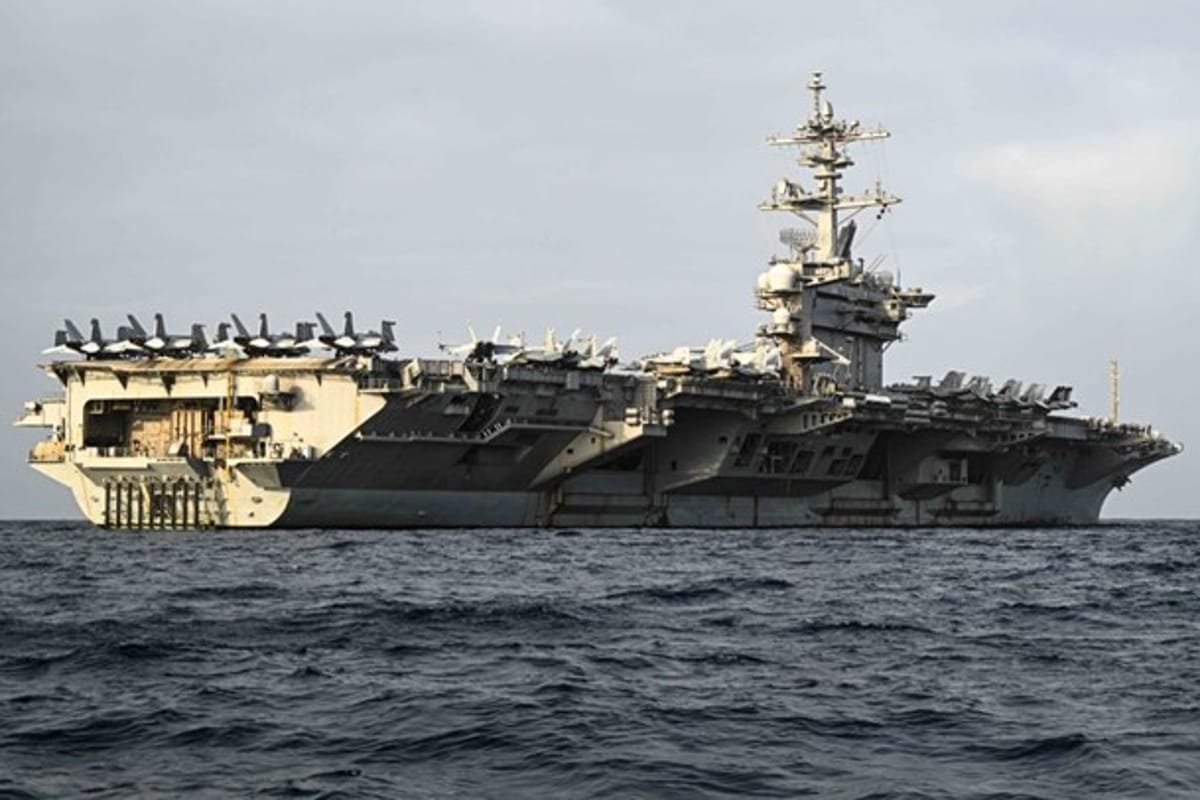
The American aircraft carrier USS Theodore Roosevelt is expected to arrive in the Middle East on Monday, November 16, according to a New York Times report. There it will join two other carriers already operating in the region. The deployment comes as Iran has resumed drone attacks on Bahrain after about two months in which it refrained from striking the Gulf kingdom directly.
On Sunday, Iran launched drones toward Bahrain for the second time in a few days. Bahrain's Defense Ministry said its air defense systems intercepted the aerial threats before they reached their targets. The Interior Ministry issued two alerts instructing residents to enter protected spaces. No injuries or damage were reported.
Iran's Islamic Revolutionary Guard Corps claimed the attack targeted a radar system at an air base in Bahrain. The country also hosts a major US naval base. The US military has not yet issued an official response to Sunday's incident.
The attack followed another on Friday, when the US military announced it had downed two drones launched from Iran toward Bahrain. No casualties or damage were reported in that incident either. The Revolutionary Guards presented the launch as retaliation for an earlier US strike on a communications tower in Iran.
The renewed attacks mark a significant shift after a relatively long period of calm. Since the United States and Israel launched their campaign against Iran in February, Tehran has fired thousands of missiles and drones at Gulf states that host US military facilities. As a military stalemate set in and efforts to reach a settlement got underway, the intensity of the Iranian attacks gradually declined, until the past few days.
Tehran has made no secret of its intention to keep responding to military action against it. Iranian Foreign Ministry spokesman Esmaeil Baqaei said on Sunday that his country is not waiting on decisions by others and is focused on defending its security. He said Iran would continue to respond to any military aggression by the United States or other countries.
Iranian parliament speaker Mohammad Bagher Ghalibaf issued a sharp warning to Washington. "If the Americans make a mistake this time, the boundaries of the battlefield will be determined by the capability and will of Iran's armed forces, not by the will and ambitions of the Americans, and the smoke of a new war will get into the eyes of many," he said. Ghalibaf also revealed a "new missile city," which he claimed had been built during the war and "under enemy fire."