The Mossad abducted two senior Iranian generals over the past two decades in an effort to learn the fate of missing Israeli navigator Ron Arad, according to a New York Times investigation. One general was killed after he proved to know nothing. The other was snatched in Damascus inside a refrigerator box.
The newspaper based the investigation on interviews with dozens of senior figures from the United States, Israel, Iran, Lebanon and Syria. It reports that the operations led Israel to abandon its long-held belief that Arad had been transferred to Iran. The search is now focused on Lebanon.
The first operation, according to the report, solves one of the Middle East's great intelligence mysteries. In December 2006, General Ali Reza Asgari, a former Iranian deputy defense minister, disappeared in Istanbul. Asgari had been posted to Lebanon by the Islamic Revolutionary Guard Corps shortly after Arad was captured. His disappearance fueled years of rumors and conspiracy theories, ranging from a defection to the CIA to claims he had passed on information about Syria's nuclear reactor.
Former American officials told the Times that Mossad agents drugged Asgari in his room at the Ceylan hotel, abducted him and took him aboard a yacht. He was questioned for weeks about what he knew of Arad. When it became clear he had no information, the agents killed him and dumped his body in the Black Sea, the officials said. An independent Iranian investigation at the time found the car used by the kidnappers abandoned near the shore.
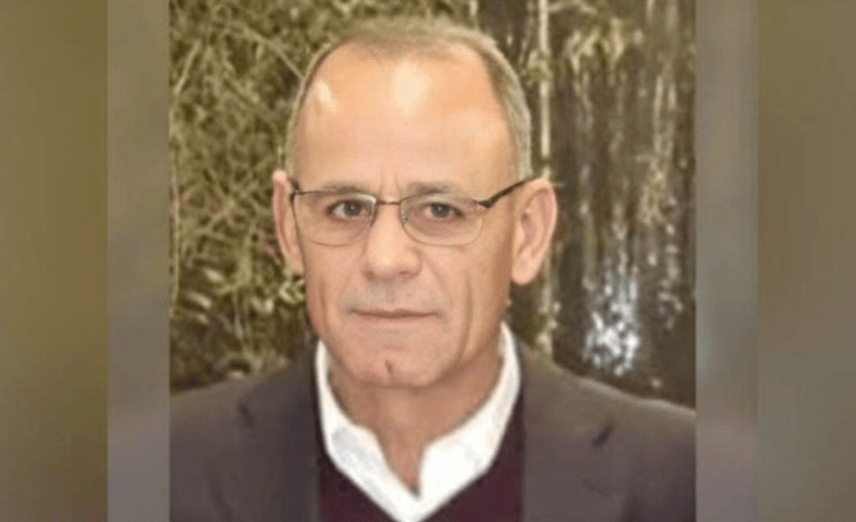
The second abduction took place in the heart of Damascus in 2021. The target was General Abdollah Sabri, a senior officer in the Revolutionary Guards' Quds Force. In 2004, Tehran had sent him to Lebanon to help search for Arad's remains as part of an attempt to broker a prisoner exchange.
According to the report, Sabri was on a routine morning run in a park near his home in the Syrian capital when movers carrying an oversized refrigerator box passed by. Within seconds the movers, who were in fact Mossad operatives, seized the general, forced him into the box and loaded him into a vehicle carrying forged paperwork.
Sabri was subjected to a lengthy interrogation and severe torture, the report says. His interrogators asked only about Arad and showed no interest in the other state secrets he held. Weeks later, by which time Tehran and his family were convinced he was dead, the operatives released him on a street in Johannesburg, South Africa. They left a small amount of cash in his pocket along with the phone number of the local Iranian embassy.
The Times reports that the Sabri operation failed to produce information on Arad's whereabouts, and that this failure is what transformed Israel's intelligence thinking. For decades, the Israeli intelligence community held that Arad had been moved from Lebanon to Iran and was being held by the Revolutionary Guards.
That theory rested on two sources. One was the testimony of an Iranian doctor, recruited in 1992, who claimed to have treated Arad in Tehran. Senior officials who handled prisoner and missing persons cases, including Rami Igra, have said that testimony was false and intended to extract money. The other was statements made by Mustafa Dirani under interrogation in 1994.
Israel waged an intense international pressure campaign against Tehran. It also rejected out of hand a secret report from then-Iranian President Akbar Hashemi Rafsanjani, which he passed to German intelligence through his son. The report claimed Arad had died and been buried in the Lebanese village of Nabi Shit as early as 1988.
American and Israeli officials told the newspaper that minority views within the security establishment ran into a wall of "collective blindness" and confirmation bias. Those views included the positions of former Shin Bet chief Yuval Diskin and Lt. Col. (res.) Avi Kalo, the former head of the prisoners and missing persons department in Military Intelligence. The turning point came when it emerged that even Sabri, Iran's key figure in Lebanon, knew nothing of Arad being held by Tehran or Hezbollah.