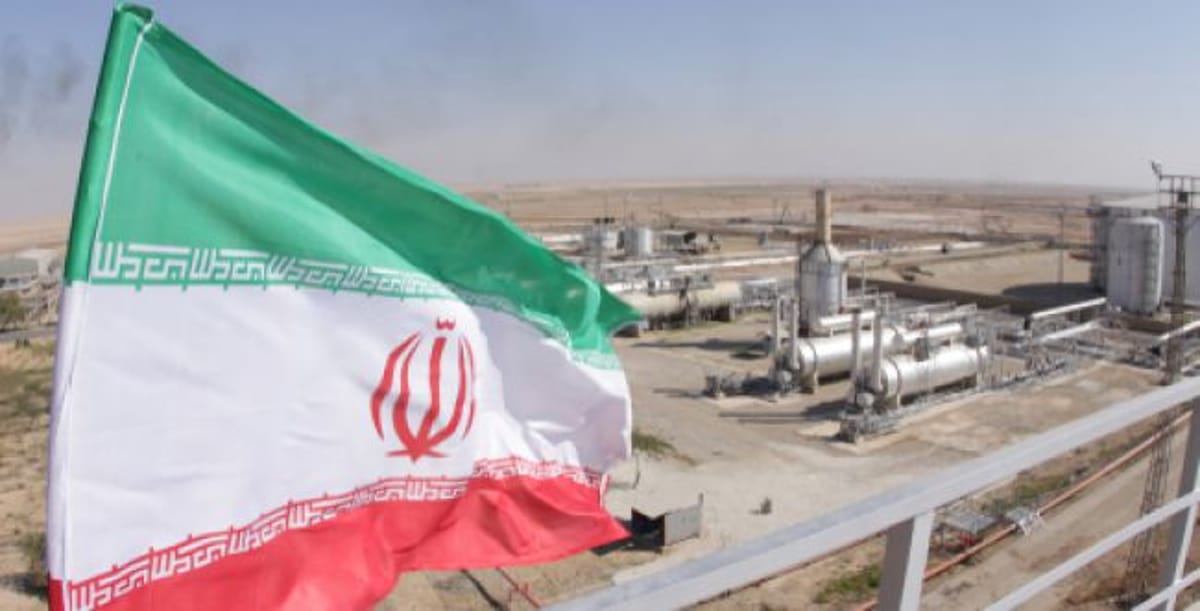
Iran's Supreme Expert Council, which provides advisory opinions to the parliament and the Supreme Leader, has announced that the regime is actively considering withdrawal from the United Nations Nuclear Non-Proliferation Treaty (NPT), and that advanced discussions on the matter are underway as part of a new security doctrine.
According to the Council's statement, senior regime officials and the Supreme Leader's office have authorized the Council to discuss withdrawal from the international treaty, which binds signatory states to a series of restrictions and inspections on nuclear energy activity within their borders.
The Council stated: "As part of revising the state's defense doctrine and creating a new security concept, initial discussions have begun on withdrawal from the NPT. This comes as part of reshaping the deterrence concept, and in accordance with existing national needs."
The NPT, signed in 1968 and entered into force in 1970, commits non-nuclear-weapon states not to acquire nuclear weapons and subjects them to International Atomic Energy Agency (IAEA) safeguards and inspections. Withdrawal from the treaty would remove these international constraints and monitoring mechanisms, clearing a path toward weaponization of Iran's nuclear program.
Iran has been a party to the NPT since 1970, though Western intelligence agencies and Israel have long accused Tehran of pursuing nuclear weapons capability under cover of its civilian nuclear program. The regime has consistently denied seeking nuclear weapons, claiming its program is for peaceful energy purposes only.
The announcement comes amid heightened tensions between Iran and Israel, with the two countries engaged in an ongoing shadow war that has included Israeli strikes on Iranian nuclear facilities and Iranian-backed attacks on Israeli targets. Israel has repeatedly stated it will not allow Iran to obtain nuclear weapons and has not ruled out military action to prevent it.