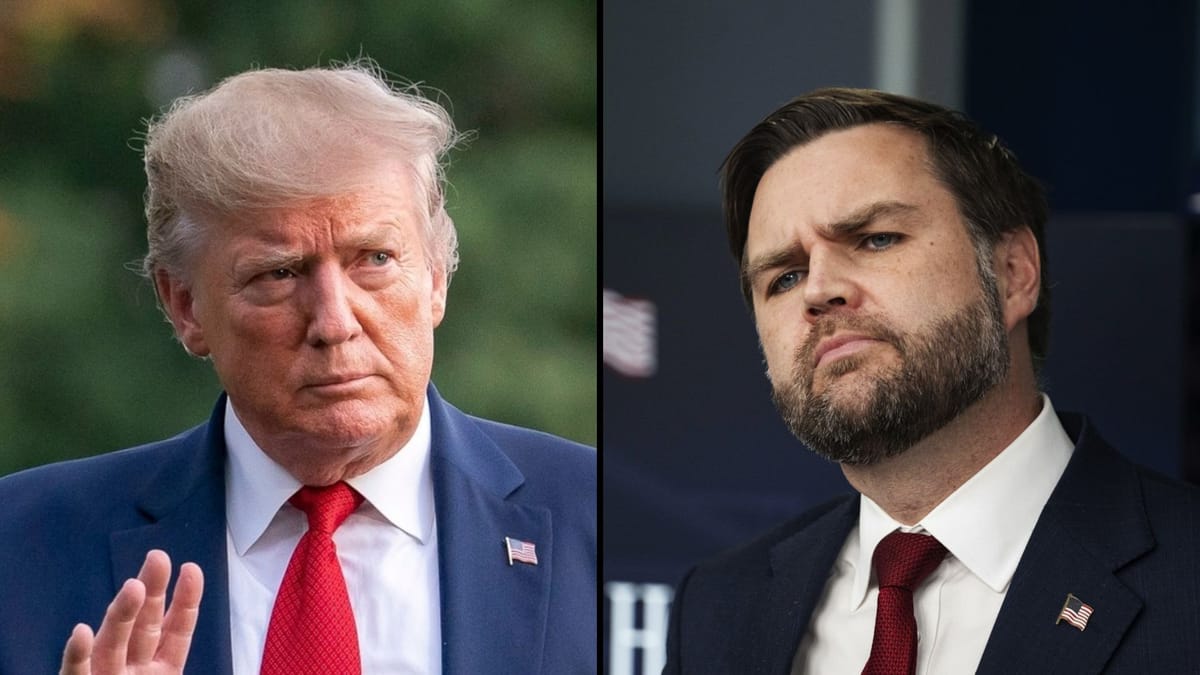
US President Donald Trump has privately expressed doubts in recent weeks about the memorandum of understanding his administration reached with Iran in June, questioning whether it was a costly mistake that allowed Tehran to regroup and earn oil revenue before the American naval blockade was imposed, The Wall Street Journal reported, citing two US officials.
Other White House officials denied that Trump regrets the understanding, saying negotiators acted in good faith. The report also revealed that Vice President JD Vance is leading a renewed push to restart negotiations, which could include a direct meeting with Mohsen Rezaei, secretary of Iran’s Supreme National Security Council.
According to the report, Trump authorized Vance to lead the contacts, and in October the vice president sent Rezaei a letter requesting a meeting. No date has been set, discussions remain preliminary, and the two sides are communicating through mediators. Doha has been raised as a possible venue.
Rezaei, a former commander of the Islamic Revolutionary Guard Corps, is wanted under an Interpol Red Notice over his alleged role in the 1994 bombing of the AMIA Jewish community center in Buenos Aires, which killed 85 people. Israel criticized his appointment to the security council post in August. Rezaei has publicly denied that any meeting with Vance is planned.
The possibility of a meeting comes after earlier talks produced a memorandum of understanding that included no Iranian commitment to limit its nuclear program or give up control of the Strait of Hormuz.
Iran has set conditions for renewed talks, including lifting the naval blockade, releasing frozen assets, and easing oil sanctions. Secretary of State Marco Rubio called the demands “completely unrealistic,” but said Washington would be open to diplomacy if Tehran changes its position.
The administration remains divided over whether to maintain economic pressure or return to negotiations. Rubio and White House Chief of Staff Stephen Miller back continuing the blockade and sanctions, while Vance is pushing for an arrangement. Trump has continued to threaten military action while saying he hopes a deal can be reached.
The path to an agreement remains difficult. Iran is demanding preliminary American concessions, while Washington insists the nuclear issue be addressed at the outset.
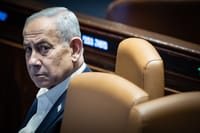
Meanwhile, tensions between Jerusalem and Washington over Iran are intensifying. Prime Minister Benjamin Netanyahu and Trump held a particularly difficult phone call over the weekend amid deep disagreements on Iran. Officials involved described the exchange as harsh and pointed, with one source calling it “a screaming match from hell.”
On Wednesday night, Netanyahu delivered an unusual statement in the Knesset corridors, from which it could be inferred that Israel