What method is used for executions?
Lethal injection remains the primary method in the United States. All 29 executions carried out in 2026 through the end of September were done by lethal injection.
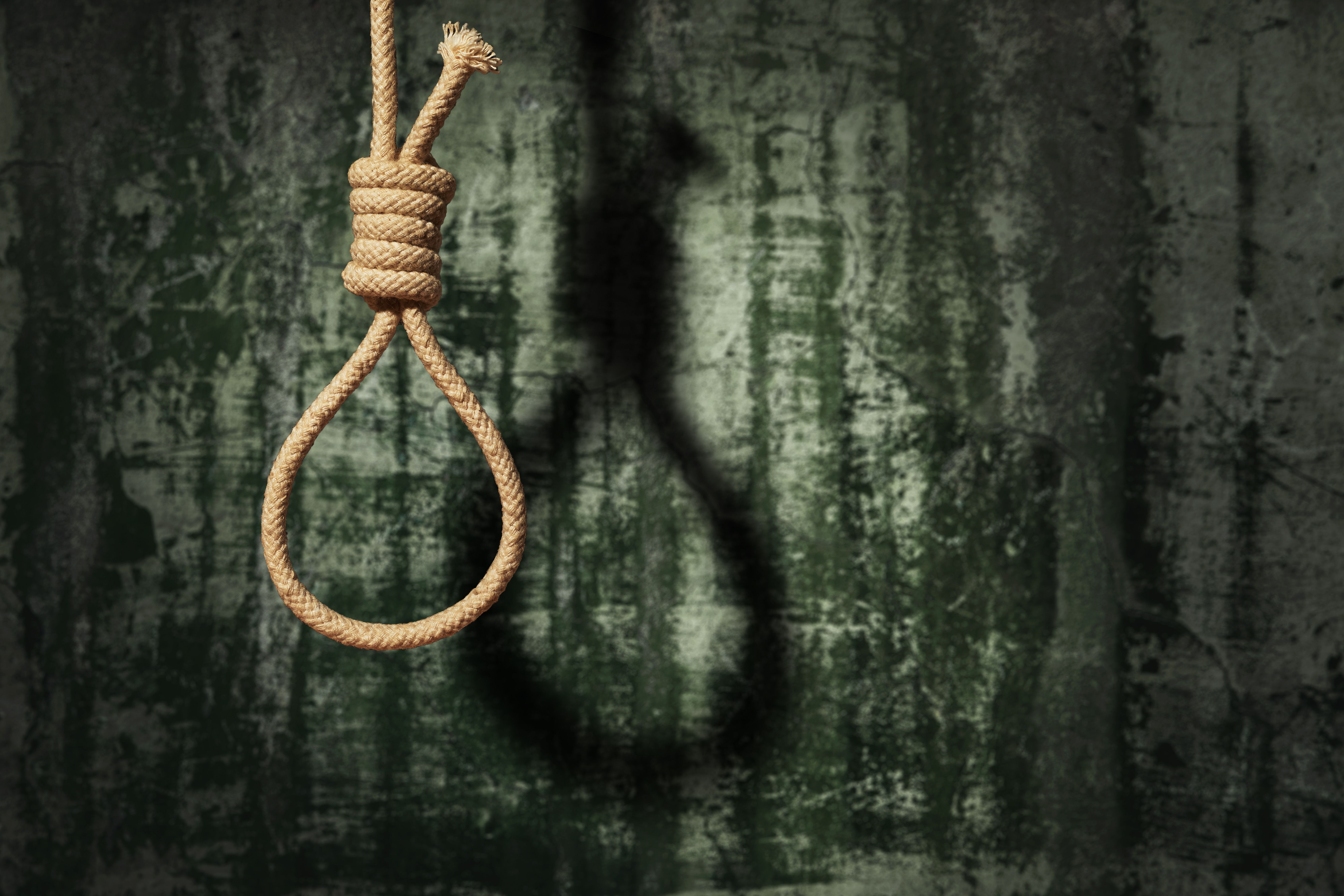
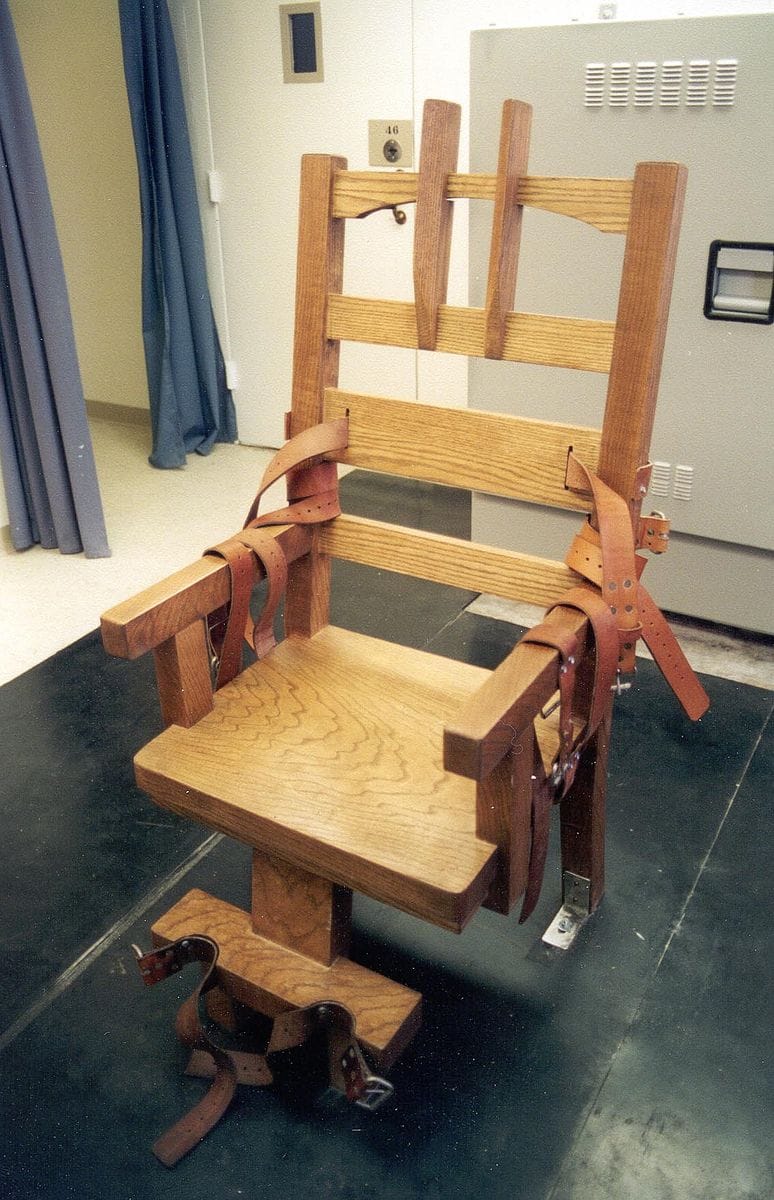
But American law permits a much wider range of methods, depending on the state. In Alabama, lethal injection, nitrogen hypoxia, or the electric chair may be used, subject to conditions set by law.
In Arizona, for example, there is lethal injection, and in certain historical cases also the possibility of gas.
In Mississippi there is a hierarchy of lethal injection and nitrogen hypoxia, followed by electric chair and firing squad if the other methods are not possible.
Firing squad returns to America
One of the notable changes in recent years is the return of older methods, partly against the backdrop of prison authorities' difficulty in obtaining drugs for executions.
The firing squad has again become a legal option in several states. South Carolina has in recent years carried out an execution by this method, the first in the United States in many years. In Idaho, as mentioned, the firing squad became in 2026 the primary statutory method.
There has also been a change at the federal level. In April 2026, the US Department of Justice announced its intention to add to the federal procedure the options of firing squad, electric chair, and gas, alongside lethal injection. The move was explained in part by the difficulty in obtaining the drugs needed for lethal injections.
Alabama became in January 2024 the first state in the modern world to execute a person by nitrogen hypoxia. The method was approved after states struggled with a shortage of drugs for lethal injection.
The execution of Kenneth Smith sparked intense controversy after eyewitnesses described unusual and prolonged movements. The state, for its part, defended the procedure and claimed it was carried out according to protocol.
Since then the legal option has also been adopted in additional states, including Louisiana, Mississippi, and Oklahoma.
Christa Pike is not the first whose execution went wrong
Modern American history includes a series of execution attempts in which the procedure did not go as planned.
In 2009, Romell Broom in Ohio became one of the most famous cases after the execution team failed to find a suitable vein. The execution was halted and he remained alive. He died in prison in 2020, without another execution being carried out.
In 2014, Joseph Rudolph Wood in Arizona underwent an execution that was unusually prolonged. The case sparked severe public and legal criticism of the lethal injection protocol.
Also in 2014 occurred the case of Clayton Lockett in Oklahoma, in which the procedure did not go as planned and he died after a significantly prolonged process. The incident became one of the central cases that reignited the debate over the reliability of lethal injection.
In 2018, the execution attempt of Doyle Hamm in Alabama was halted after the team failed to complete the procedure. An agreement was later reached that prevented another attempt to execute him, and he died in 2021.
Kenneth Smith and Alan Miller in Alabama also experienced failed lethal injection execution attempts before finally being executed by nitrogen hypoxia.
And in February 2024, the execution attempt of Thomas Creech in Idaho was halted after the execution team failed to obtain suitable venous access despite repeated attempts.
Tennessee also had another case this year before Pike: on May 21, 2026, the execution of Tony Carruthers was halted after the team failed to find a suitable vein for injection. The governor granted him a one-year reprieve.
But Pike's case is different from all of these
The significance of the current case is not only that an execution procedure failed. For decades there have been failed attempts in the United States, mainly around the difficulty of obtaining venous access.
What makes Pike unique is that the procedure passed an additional stage: the lethal drugs were administered to her in two doses, and yet she did not die.
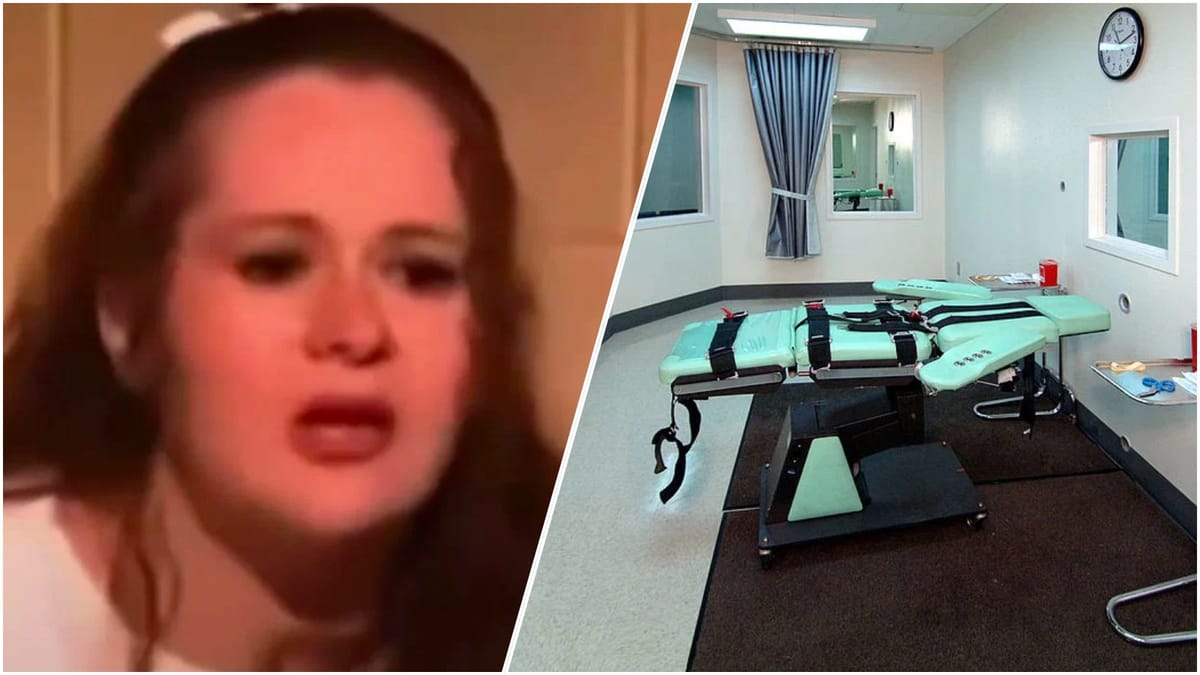
According to her attorneys, Pike remained alive and was transferred to hospital. On October 6, as mentioned, they reported that she was conscious and speaking. At the same time they petitioned the court demanding that evidence related to the procedure be preserved and that an investigation be conducted into how it was carried out.
In this way the case became a much broader question than the fate of a single prisoner: can the state, when it exercises the most extreme punishment in its power to impose, ensure that it carries it out reliably and consistently?
Tennessee halts executions
The immediate significance of the incident is already clear. Tennessee halted its next scheduled execution for 2026 and announced an external review of what occurred.
And this is not merely a theoretical debate. Tennessee itself already had to deal this year with another execution attempt that could not be completed due to a problem with vein access.
The accumulation of these cases explains why the question of execution "reliability" has become in recent years a central part of the American debate over the death penalty.
Death penalty legal, but fewer and fewer states use it
The overall picture in the United States is complex: the death penalty is still legal in 27 states, but the number of states that actually execute people is much smaller.
In 2026, through the end of September, six states carried out executions in practice — Florida, Texas, Oklahoma, Alabama, Arizona, and Tennessee. Tennessee attempted to execute one more person, Christa Pike, but the attempt failed.
Florida is the most striking outlier. Sixteen of the 29 executions in the United States in 2026 were carried out in a single state. In 2025, Florida executed 19 people — the highest number in the state since the restoration of the death penalty in the United States in 1976.
This creates a situation in which the death penalty still exists by law in a large part of the United States, but in practice its application is concentrated in a limited number of states.
What happens from here?
The case of Christa Pike is expected to continue to occupy the American legal system. The central question is not only what caused the failure, but also what will be its legal ramifications and what will be decided regarding the possibility of attempting in the future to carry out the sentence.
Meanwhile, Tennessee has halted its executions for the remainder of 2026 and ordered an external investigation.
The case also brings back to the forefront one of the striking facts about the American death penalty: there is no single "American method" of execution. Each state sets its own law, its own method, and its own protocol, and in recent years, against the backdrop of a shortage of drugs for injection, some states have even returned to methods such as the electric chair and firing squad or adopted new methods such as nitrogen hypoxia.
Precisely against the backdrop of this trend, the failed execution attempt of Christa Pike becomes an event of national significance: not just another case of a prisoner on death row, but a case that puts to the test the very ability of the state to carry out its most extreme punishment as it planned.