Get our mobile app
Download on the App StoreGet it on Google Play

Geopolitics

Iran could destroy Gulf in doomsday strike

John Mearsheimer of University of Chicago says extreme US and Israeli pressure is pushing Tehran into a corner with no way out and Iran's response could be a devastating attack on Gulf energy infrastructure, global economic collapse, and a direct sprint to nuclear weapons

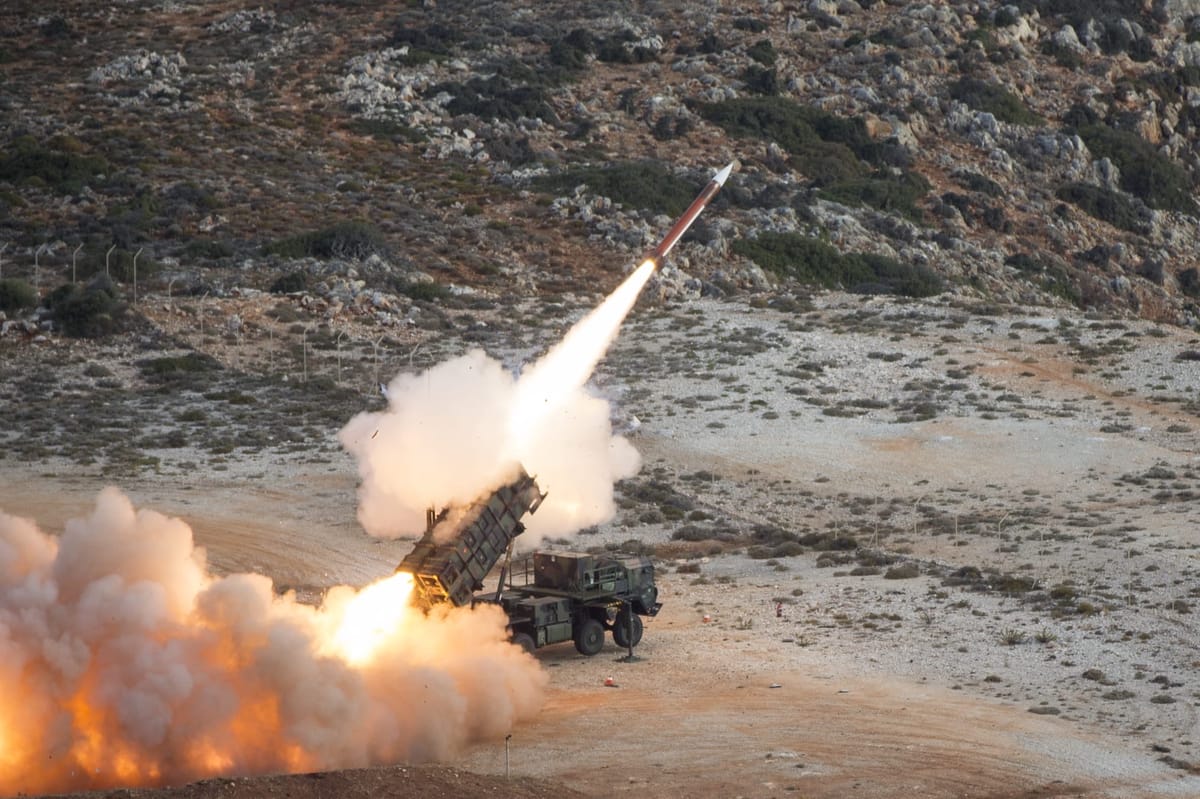
Patriot missile battery

Professor John Mearsheimer, one of the leading scholars of international relations at the University of Chicago, is warning of an extreme scenario in the confrontation between the United States and Iran. According to him, sustained American pressure on Tehran could push the Iranian regime to a point where it has nothing left to lose, and then what he calls the "doomsday option" could become reality.

Mearsheimer, considered one of the sharpest realist voices in American academia, argues that the Trump administration's policy is based on fundamentally flawed assumptions. In his assessment, any attempt to bring about regime change or total Iranian surrender through air strikes and economic siege has almost no chance of success, based on historical lessons.

At the centre of Mearsheimer's warning stands a scenario in which Iran, if convinced its survival is under real threat, unleashes its full arsenal of ballistic missiles, cruise missiles and drones at full force against critical infrastructure in the Persian Gulf. Energy facilities, refineries and desalination plants in Saudi Arabia, the United Arab Emirates and other states could be targets of such an attack.

According to Mearsheimer, a massive strike of this kind could "devastate Saudi Arabia as a functioning society". This is not a pinpoint strike but systematic destruction of the capacity for modern life in the Gulf. The Strait of Hormuz, through which a quarter of the world's oil trade passes, has already become a chokepoint, and prolonged closure or more severe disruption would send shockwaves through the global economy.

The professor notes that Iran has already demonstrated the ability to strike American bases scattered across neighbouring countries. At the same time, US and Israeli interceptor stocks are being worn down. A report by the US Department of Defense Inspector General, published on 14 September, confirmed that Operation Epic Fury against Iran caused a "strategic shortage in air defence systems".

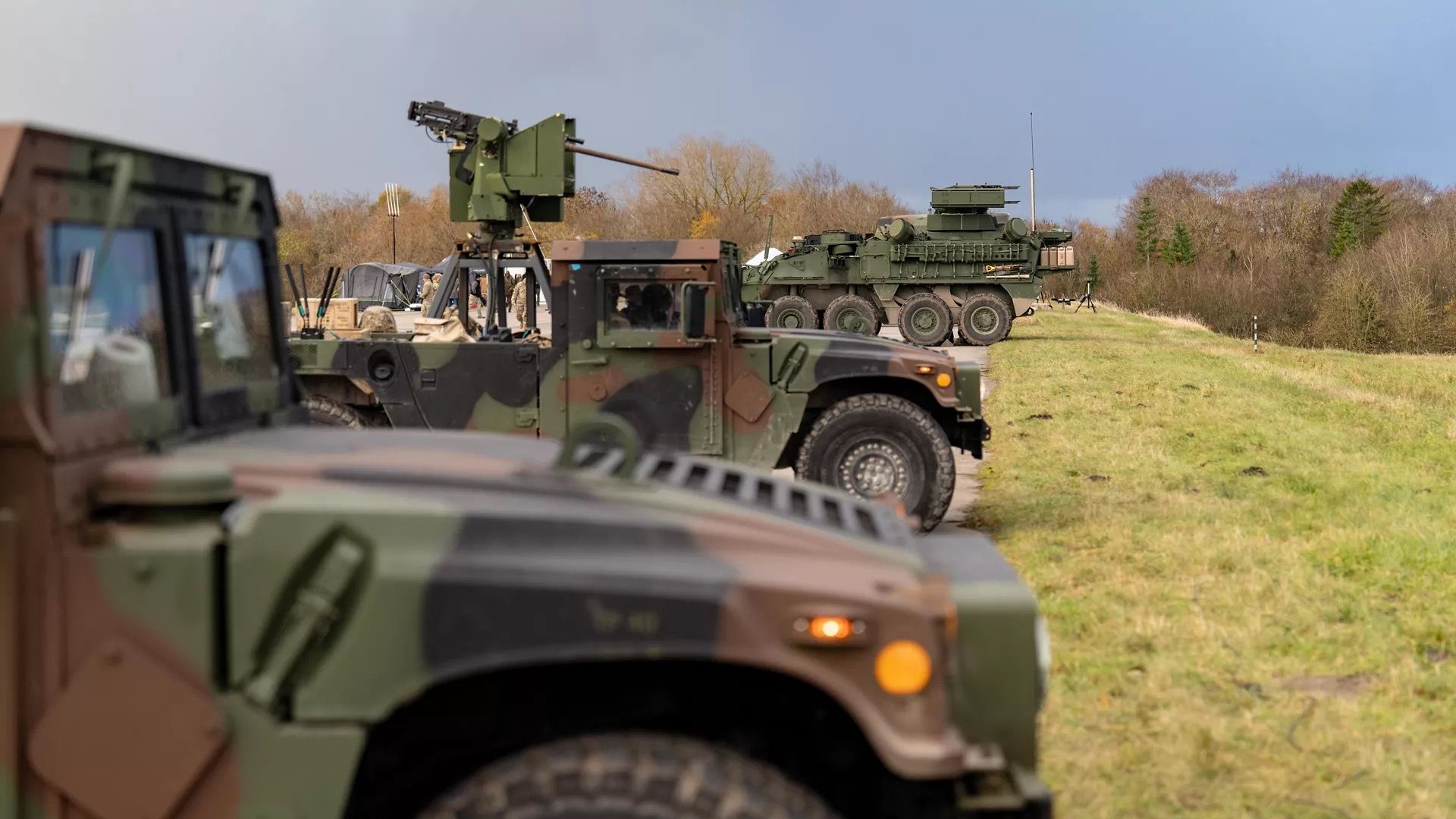
Advanced anti-drone technology
Advanced anti-drone technology (Photo: German NATO mission)

According to analyses by the Center for Strategic and International Studies (CSIS), Patriot missile stocks dropped from approximately 2,330 units before the confrontation to between 759 and 827 by the end of July 2026. THAAD stocks fell from approximately 452 to between 234 and 278. A new document from the Congressional Research Service, published on 5 October, presents a broader picture of the damage: 81 American aircraft, including planes, helicopters and unmanned aerial vehicles, were lost or damaged since military operations against Iran began on 28 February.

Mearsheimer emphasises that extreme pressure removes the final barriers to an Iranian nuclear breakout. Tehran's leaders now understand more than ever that nuclear weapons are the only insurance policy against foreign attempts at elimination. American pressure, in his assessment, is not deterring them but pushing them to cross the threshold.

The picture Mearsheimer presents is of an America that began the war from excessive confidence, and is discovering it has no realistic military option to defeat Iran without risking global disaster. Iran, by contrast, is capable of absorbing blows, conducting a war of attrition, and forcing Washington to acknowledge failure. The greater the pressure, the higher the likelihood that Tehran will choose the most extreme option.

Mearsheimer, who is a cold realist, looks at the balance of power and concludes that America is playing with fire. A policy based on threats of annihilation, on a siege designed to break an entire people, and on ignoring the adversary's asymmetric capability, is not a policy of strength but a policy of hubris, in his words.

The question that remains open, according to Mearsheimer, is not whether Iran is capable of exacting an unbearable price. The question is how far the Trump administration is willing to push before it understands that this price could be paid not only in Iran, and not only in the Gulf, but in the economy of the entire world.


Ready for more?

Join our newsletter to receive updates on new articles and exclusive content.

We respect your privacy and will never share your information.

Enjoyed this article?

Yes
No
Follow Us:

Unmissable content


Loading comments...

Also of Interest