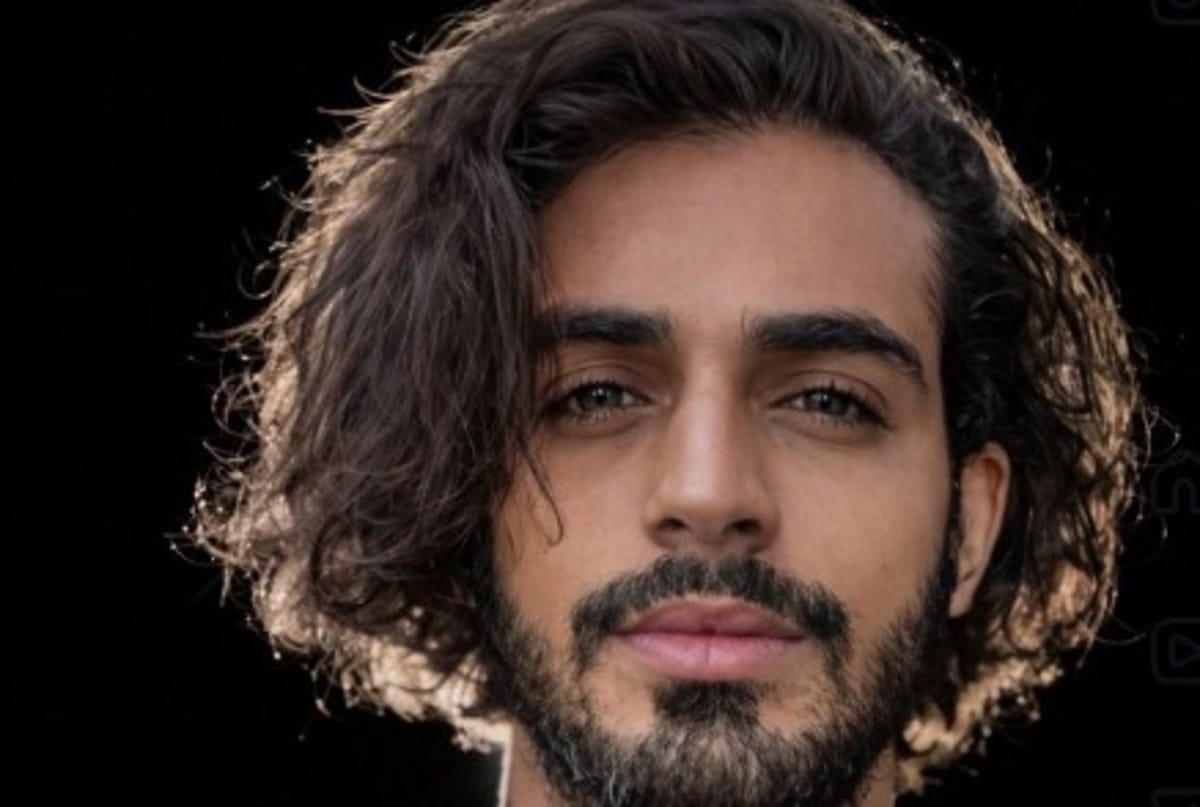
Irad Nabian, a 26-year-old from the Iranian city of Isfahan, survived weeks of torture, a mock execution and solitary confinement after taking part in anti-regime protests earlier this year. His account, published Wednesday by Iran International, exposes the methods the ayatollahs' regime uses against dissidents, especially after the waves of unrest that have swept the country since 2019.
Nabian, who had also joined mass protests in 2019 and 2022, found himself this time at the centre of a crackdown that led to dozens of arrests and multiple death sentences handed down in closed trials condemned by the United Nations as violating every standard of due process.
On 8 January 2026, when Nabian joined protests in Alichani Square in his home city. Security forces opened fire without warning on the crowd. Four or five bullets struck Nabian's right leg. Fearing that going to a hospital would lead to immediate arrest, he returned home bleeding heavily and extracted the bullet fragments himself, without medical help.
Despite the pain and the danger, Nabian returned to the streets the next day, driven by what he saw as a duty after witnessing the killing. Later that day, he went looking for a young girl who had lost her mother in the chaos, and found her dead.
The Alichani Square incident quickly became the basis for one of the most severe cases to emerge from the protests. Close to sixty people were arrested, many tried in summary proceedings that ended in death sentences. International bodies and UN experts condemned the trials, noting they relied entirely on confessions extracted under torture.
In March, Nabian was arrested and taken first to a local police station, where officers demanded his phone password and injected an unidentified substance directly into his vein. He was then moved to a secret ten-storey detention facility in Isfahan province, which he later described as a "slaughterhouse". There he was subjected to systematic abuse: stripped naked, doused in cold water and beaten for hours with pipes and batons, at one point with his hands tied above his head.
During interrogations, officers focused on Nabian's tattoos — ancient Persian symbols, Hebrew inscriptions and a Star of David on his neck. They beat him repeatedly near the tattoos and accused him of being an Israeli spy, claiming he had received money and training from foreign agents. Nabian denied all of it.
The torture reached its peak when he was placed in an isolation cell, ordered to write his last will, and handed a sheet of paper on which to choose his final meal before execution. Minutes later, blindfolded, he was led to another room, made to stand on a stool, and a noose was placed around his neck for several minutes, an attempt to break him completely and force a videotaped confession. After he agreed to stand before a camera and say he had not suffered violence, filmed repeatedly until the interrogators were satisfied, the charade ended and he transferred to Dastgerd Prison.
At Dastgerd, Nabian was held in harsh conditions with serious injuries, including a broken finger and damaged knees. He shared cells with other detainees from the Alichani case, some of whom were later executed. During this period, he experienced airstrikes that hit facilities near the prison, causing extensive damage to the building and cutting off electricity and water. Armed security forces then raided the wings and used severe violence against the inmates.
After his eventual release on bail, Nabian understood his life was in immediate danger and that he faced re-arrest and a certain death sentence. He made the decision to leave his homeland and seek refuge outside Iran's borders.