Get our mobile app
Download on the App StoreGet it on Google Play

Three years since the Simchas Torah massacre

"Burnt bodies": inside Camp Shura's hell

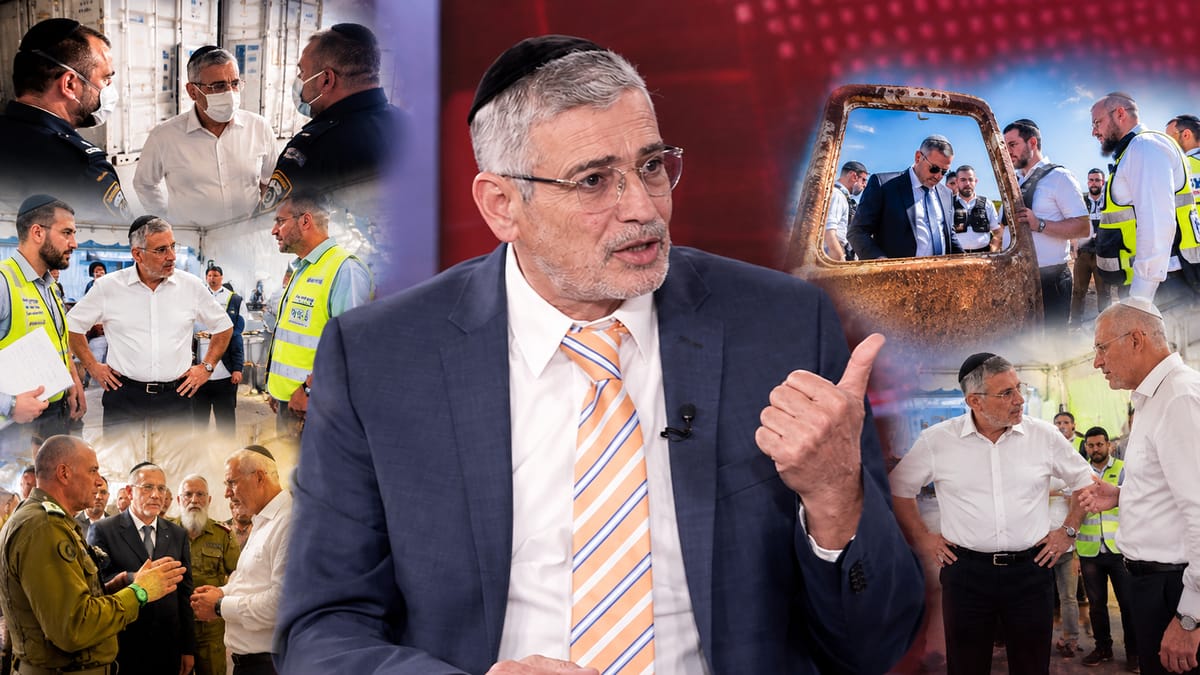
Yehuda Avidan, Director-General of the Ministry of Religious Services, describes the first hours after the Simchas Torah massacre: taking command on the morning of the disaster, sleepless nights facing hundreds of burnt bodies and horrific cases of abuse.

Burnt Bodies, a Father and Daughter's Final Embrace: Director-General of Religious Services Recounts the Hell of Camp Shura | GRAPHIC

Three years after the Simchas Torah massacre, the full story is emerging of how Israel handled the bodies of the hundreds killed on October 7.

One site seared into the nation's memory as a place of unbearable grief is Camp Shura. The man who stood at the centre of the civilian effort to identify the dead and bring them to burial was R' Yehuda Avidan, Director-General of the Ministry of Religious Services.

In an interview with Kikar HaShabbat, Avidan describes the first hours of confusion and shock, the command and halachic decisions that had to be made under unimaginable pressure, the memories that still haunt him from sleepless nights, and the quiet work of a secret committee headed by the Rishon LeTzion, HaRav Yitzchak Yosef.

The morning of shock and taking command in the first hours

Yehuda Avidan, a resident of Ashdod, remembers the morning of October 7 as the moment he understood he would have to take command of an event no one in the country had prepared for. Though legally the handling of civilian bodies belonged at that hour to the Ministry of the Interior, Avidan grasped immediately the scale of what was unfolding and began to act.

"Because I don't live in a chareidi neighbourhood, the news reached me very quickly, already at 08:00 in the morning. A neighbour comes to me and shows me pictures of the vehicle in Sderot, the jeep. When I saw the white van in Sderot I said to him: 'My brother, we are in a world war.' By Motzei Yom Tov I already knew we were looking at hundreds murdered, when television was still showing only 130.

"The first two phone calls I made on Motzei Yom Tov were to Moshe Arbel, the Interior Minister, and to Rav Michael Malkieli, the Minister for Religious Services. I said to Moshe Arbel: 'Listen, forget it, you can't handle these bodies, this is my field. I'm taking on the entire operation as if a government decision has already come into force. Tell your people that I'm taking responsibility for this.' He said to me: 'I accept, thank you, I'm grateful to you, and you're absolutely right.' I put him on a conference call together with Malkieli, we agreed that I was taking responsibility, and from that moment everything is history."

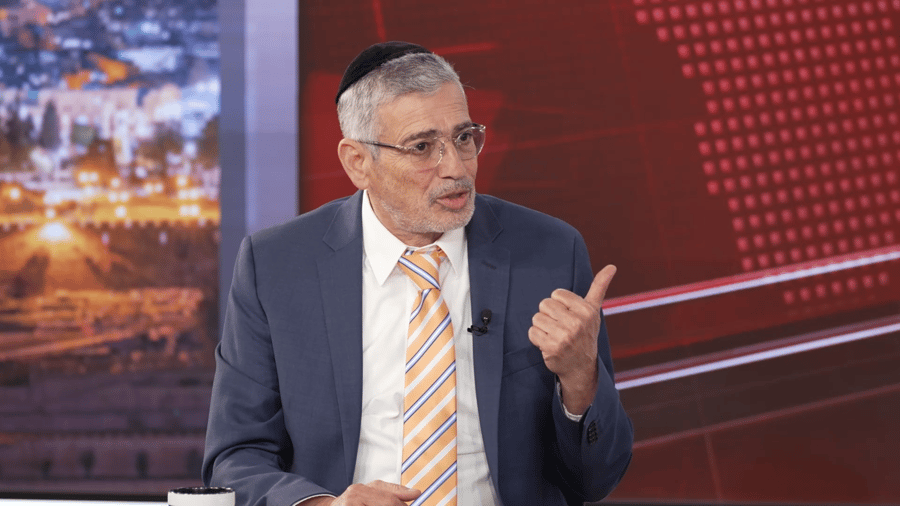
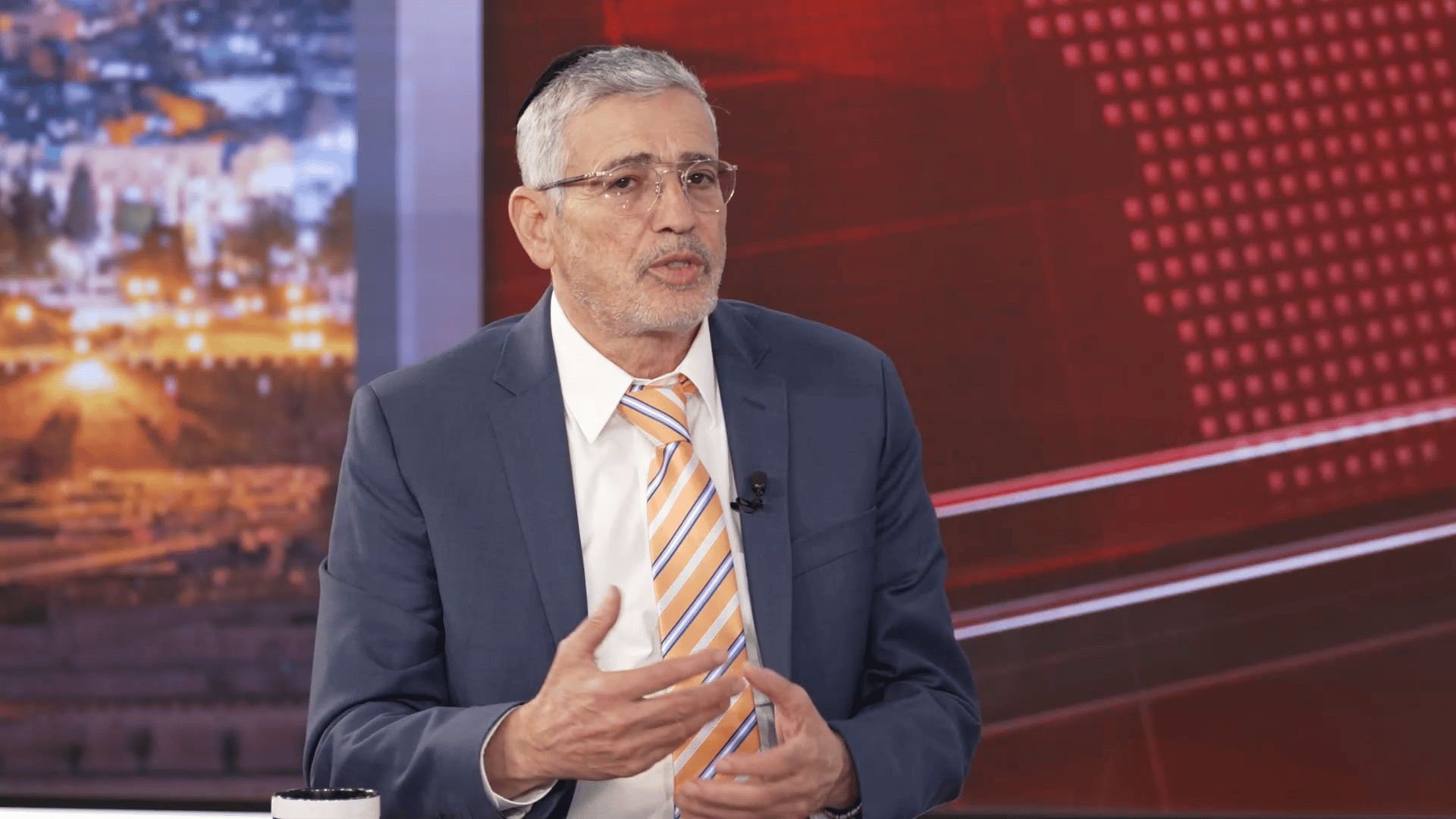
Yehuda Avidan interviewed at the Kikar HaShabbat studio

Organising at Camp Shura: "No rules, do what needs to be done"

The reality on the ground demanded rapid decisions with no bureaucratic balance. By Sunday morning Avidan was already required to set up a massive system for transport, storage and burial.

"The next day at 08:30 I already held a conference call with the entire leadership of my ministry and with the major chevra kadisha organisations. I gave them an instruction to dig 50 graves each across the country, to start preparing. I was simply trying to understand how I was going to swallow this thing, all from personal intuition.

At 09:00 in the morning I convened a management meeting at the ministry with the minister and with all the heads of the religious councils and chevra kadishas, we were 150 people on Zoom. There I made two very simple decisions: one - there are no laws, there are no rules, do what needs to be done, don't ask questions. When the accountant and the legal adviser started asking questions, I said to them: 'There are no rules, there are no laws, do whatever needs to be done, you have my authorisation. Whoever sues you, I'll back you up.'

At the same time I made an immediate decision that I would activate one place in the country to receive all the bodies for preparation for burial and that was Rishon LeTzion, because I understood that the condition of the bodies was not good and kavod hameis required it. At 12:00 we went down to Shura, and from that moment my place of residence was Camp Shura and Rishon LeTzion."

Bringing order to chaos: "By law I am responsible"

Avidan's arrival at Camp Shura brought him face to face with senior security and police officials, in a complex mix of jurisdictions that had to be resolved on the spot to prevent collapse.

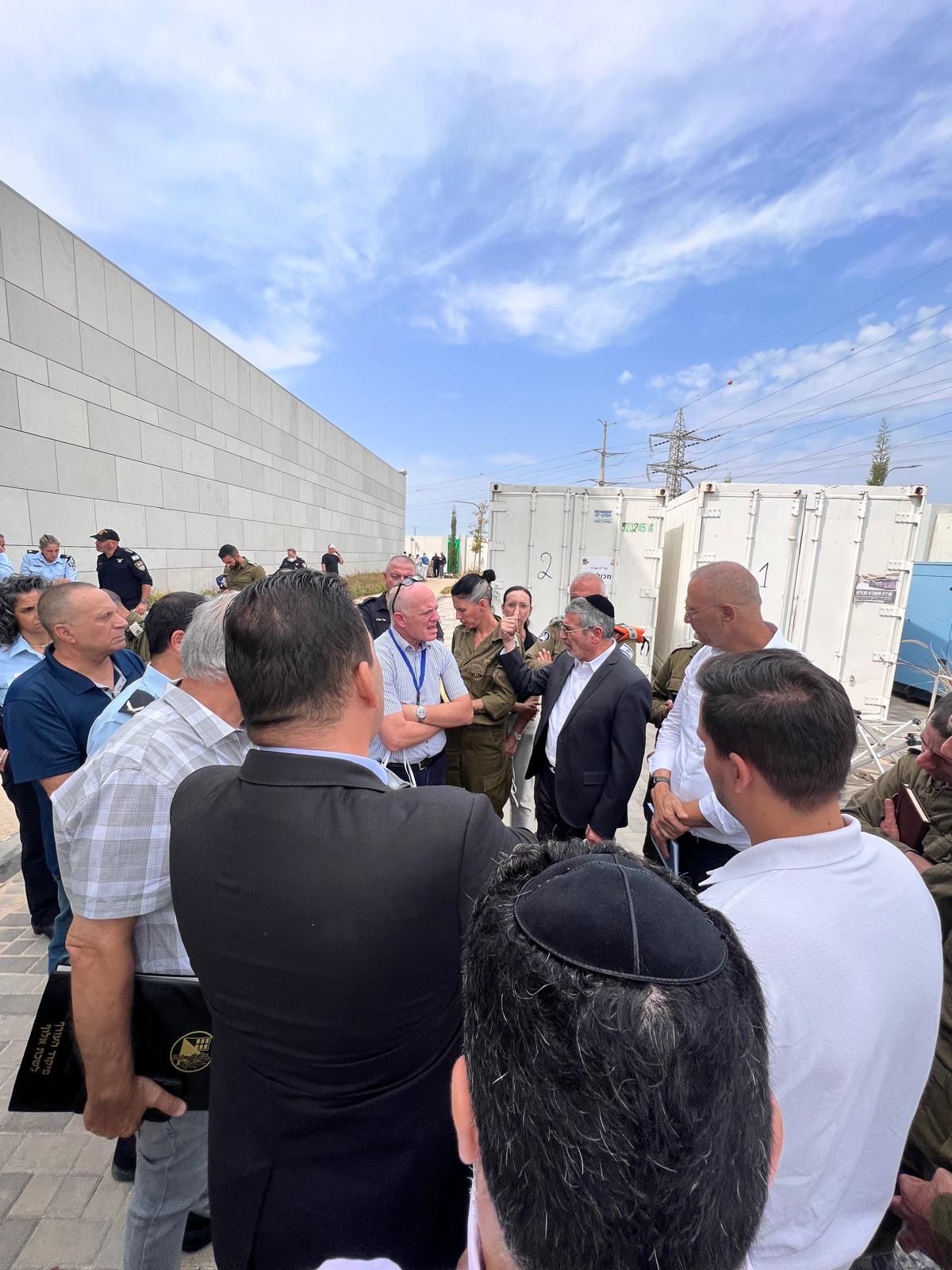
"I arrived at Shura as a relatively new Director-General, altogether eight or nine months in the role. You come, suddenly standing next to you are Deputy Commissioner Yoav Telem, Deputy Commissioner Shlomit Landes, people from Lahav 433. Suddenly you see everyone is a deputy commissioner, the Ministry of Health, the police, the army... the Ministry of Religious Services they didn't even know what its role was.

In the afternoon I already understood this was starting to become chaos, and I announced: 'Gentlemen, by law I am responsible for identification, I am responsible for every matter concerning the dead.' And from that moment I took command and began to coordinate the entire operation. The police were responsible for identification, and we started working like machines.

Unlike the army, where identification can take half an hour because all the data exists, with us for civilians, whoever hadn't been in the army, his data didn't come up. It took us a day or two to arrange the transfer of information between the bodies, and then things started to move."


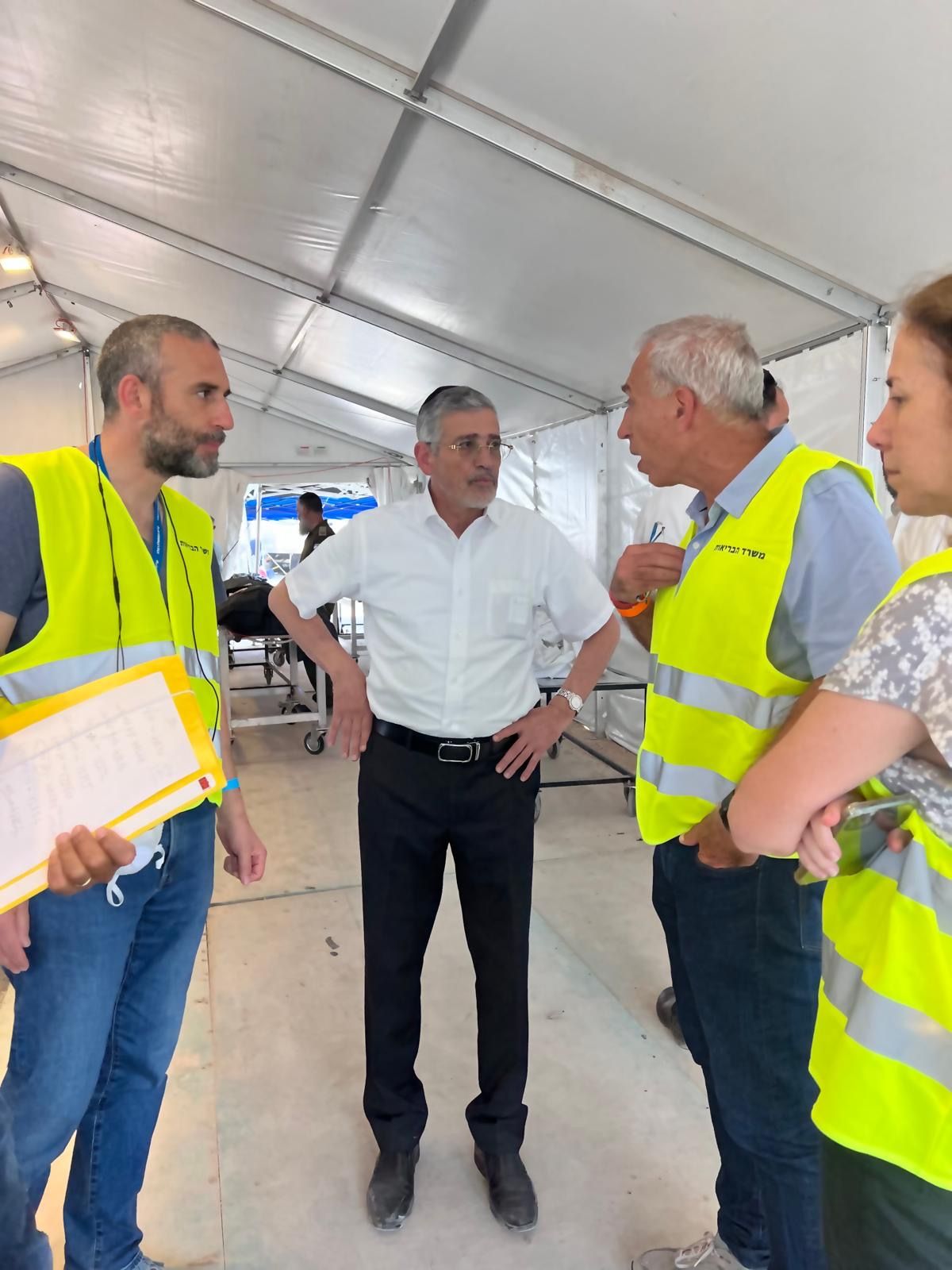
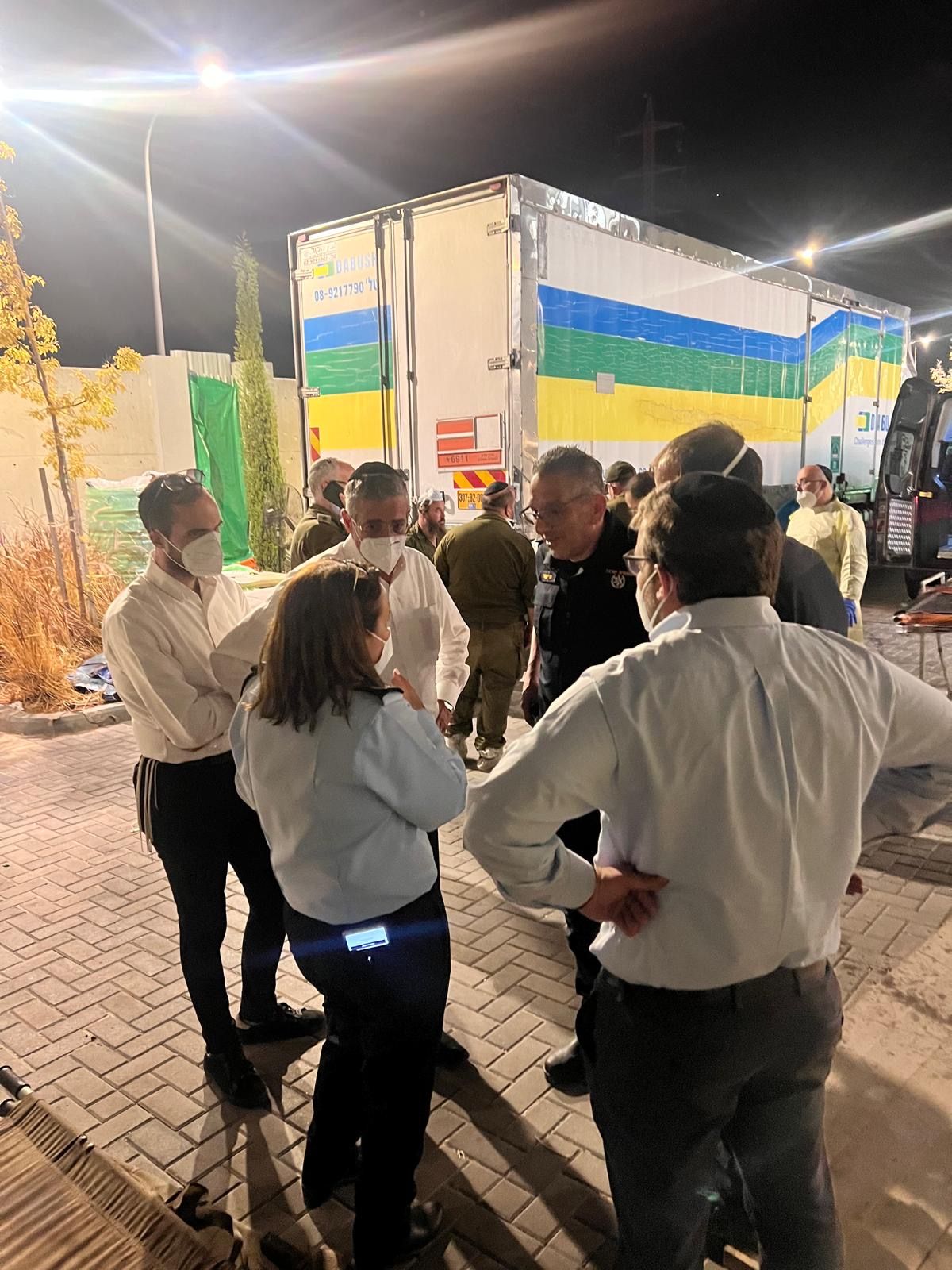
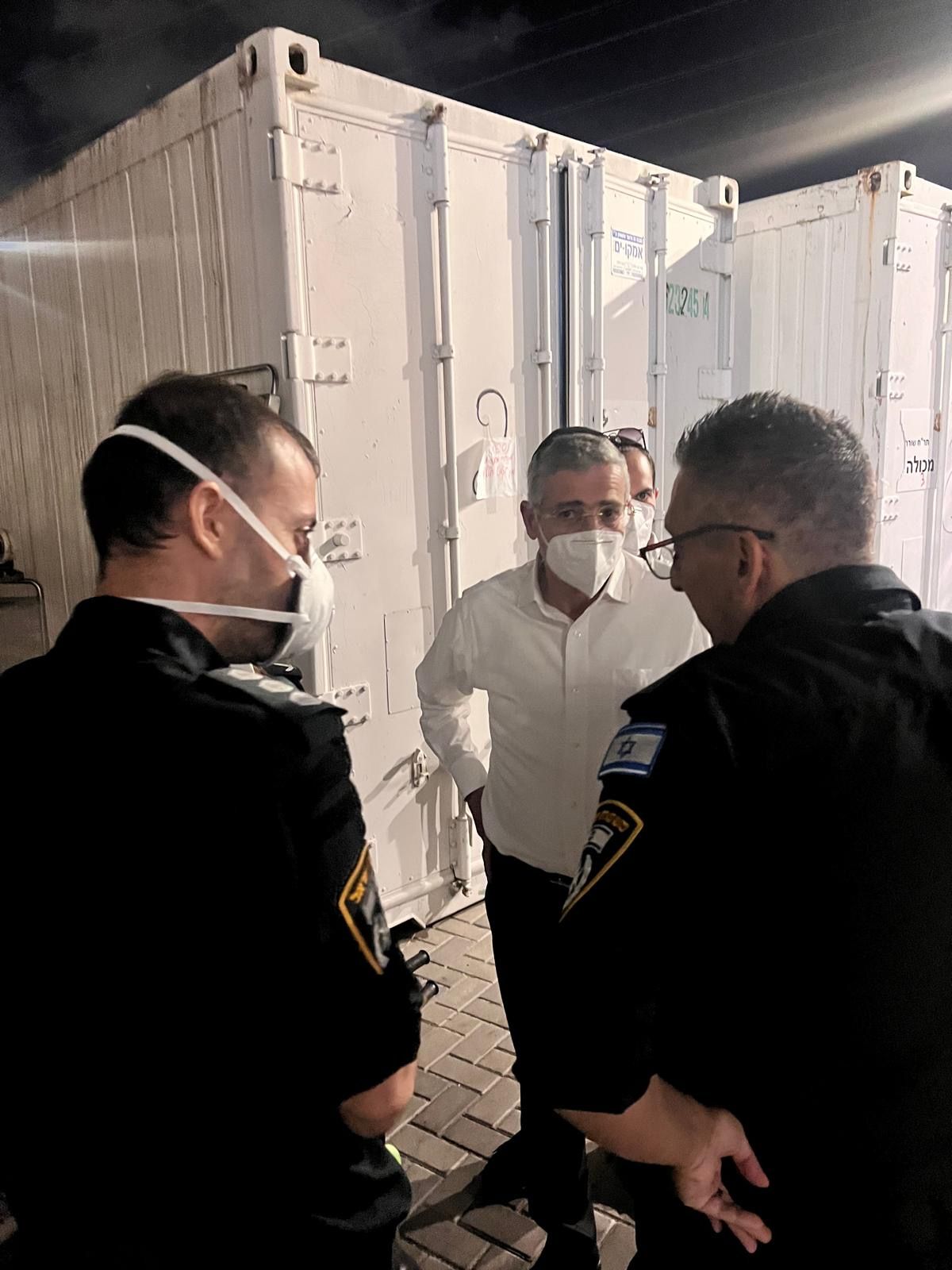
R' Yehuda Avidan in the first days after October 7
R' Yehuda Avidan in the first days after October 7 (Photo: Courtesy of the photographer)
R' Yehuda Avidan in the first days after October 7
R' Yehuda Avidan in the first days after October 7 (Photo: Courtesy of the photographer)
R' Yehuda Avidan in the first days after October 7
R' Yehuda Avidan in the first days after October 7 (Photo: Courtesy of the photographer)
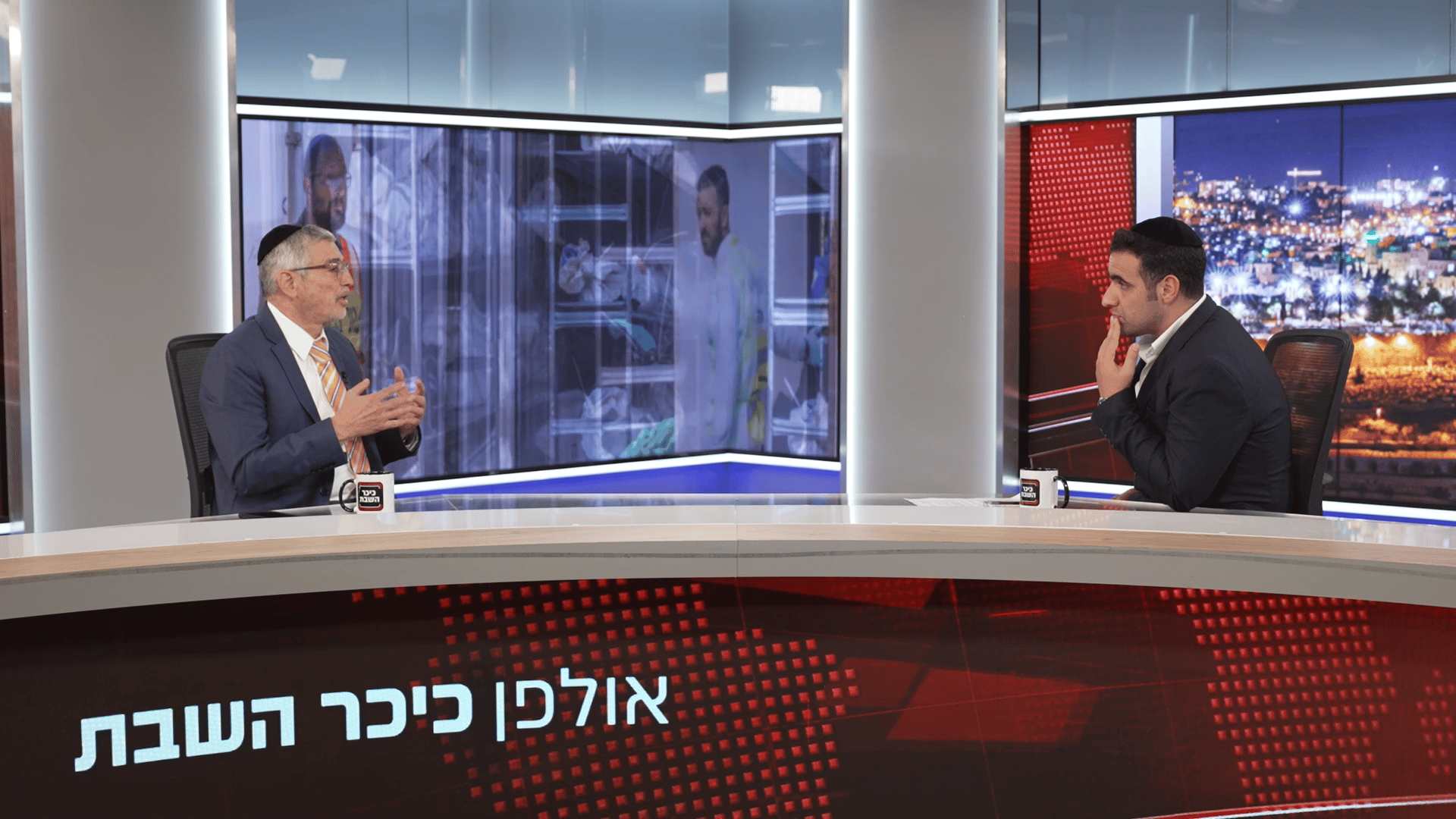
Yehuda Avidan at the Kikar HaShabbat studio

Between speed and halachic caution: supreme protection of kavod hameis

One of the hardest dilemmas in managing the operation was the heavy pressure from families for quick answers, against the halachic and legal obligation to reach certain and absolute identification.

"In the army and in civilian life, in halacha, fingerprints are sufficient. But you cannot rely in any way in the world on identification by families! Once 24 hours have passed, you cannot rely on a family that says 'this is my son.' We had to use DNA, fingerprints or any other means.

Every day the number started at 400–500 missing, and each time we found another body we understood there were fewer hostages and fewer missing. In the first two weeks we reached a situation where almost 700 civilian identifications were made, that's an astronomical number.

Kavod hameis that was preserved there is one of the things that was preserved more than anything else, and it was mesiras nefesh by all the organisations: Magen David Adom, ZAKA Yerushalayim, Shomrim, ZAKA Tel Aviv and the Abu Kabir institute that entered the picture in the most difficult cases. We reached a situation where families were not permitted to identify [the slain person] at the cemetery as in a regular death. Here it was not possible to open the coffins or the shrouds. This was not a simple challenge, because we could not explain to parents what the condition of the deceased was. These were burnt bodies and horrific and terrible abuse."

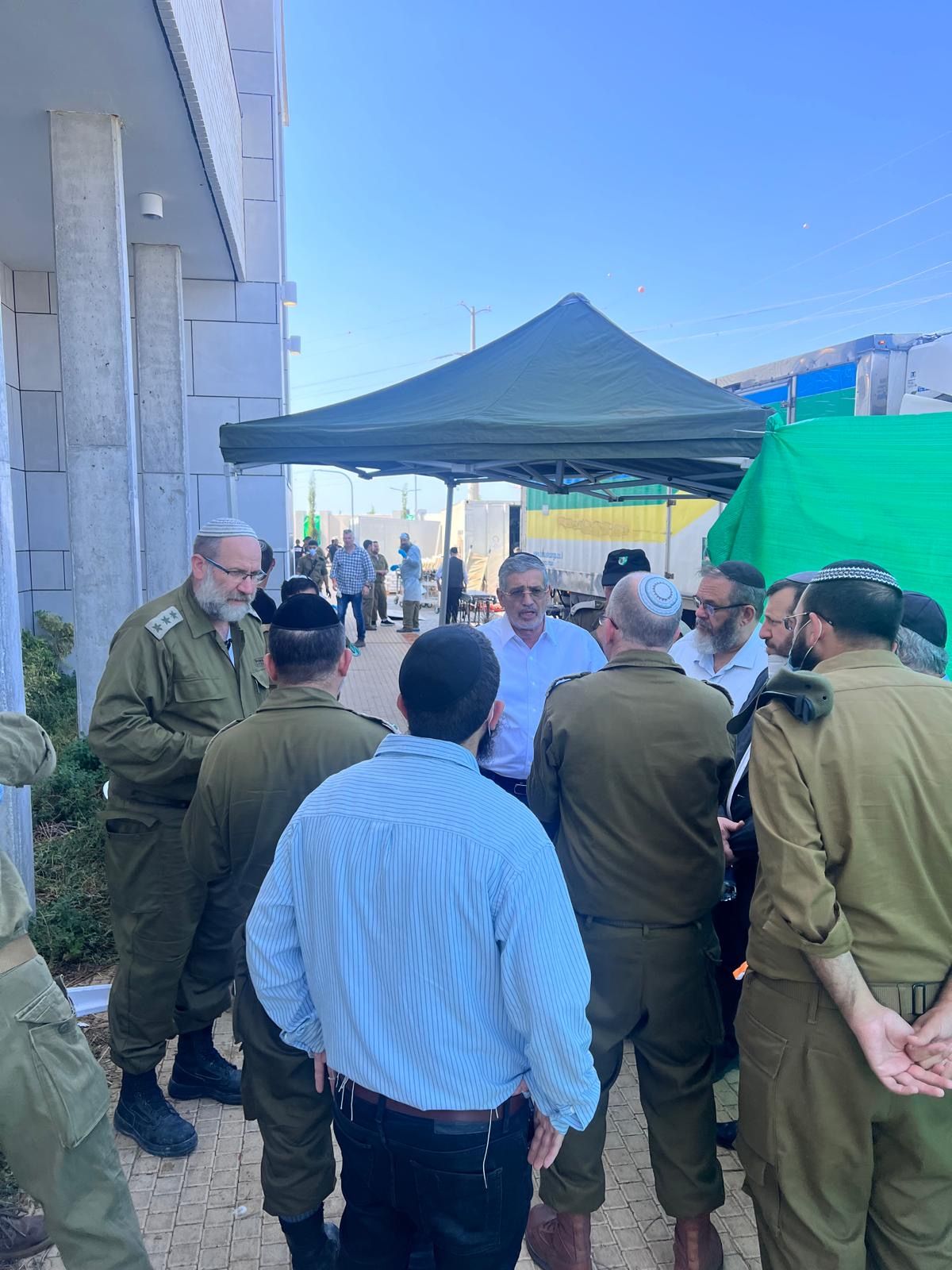
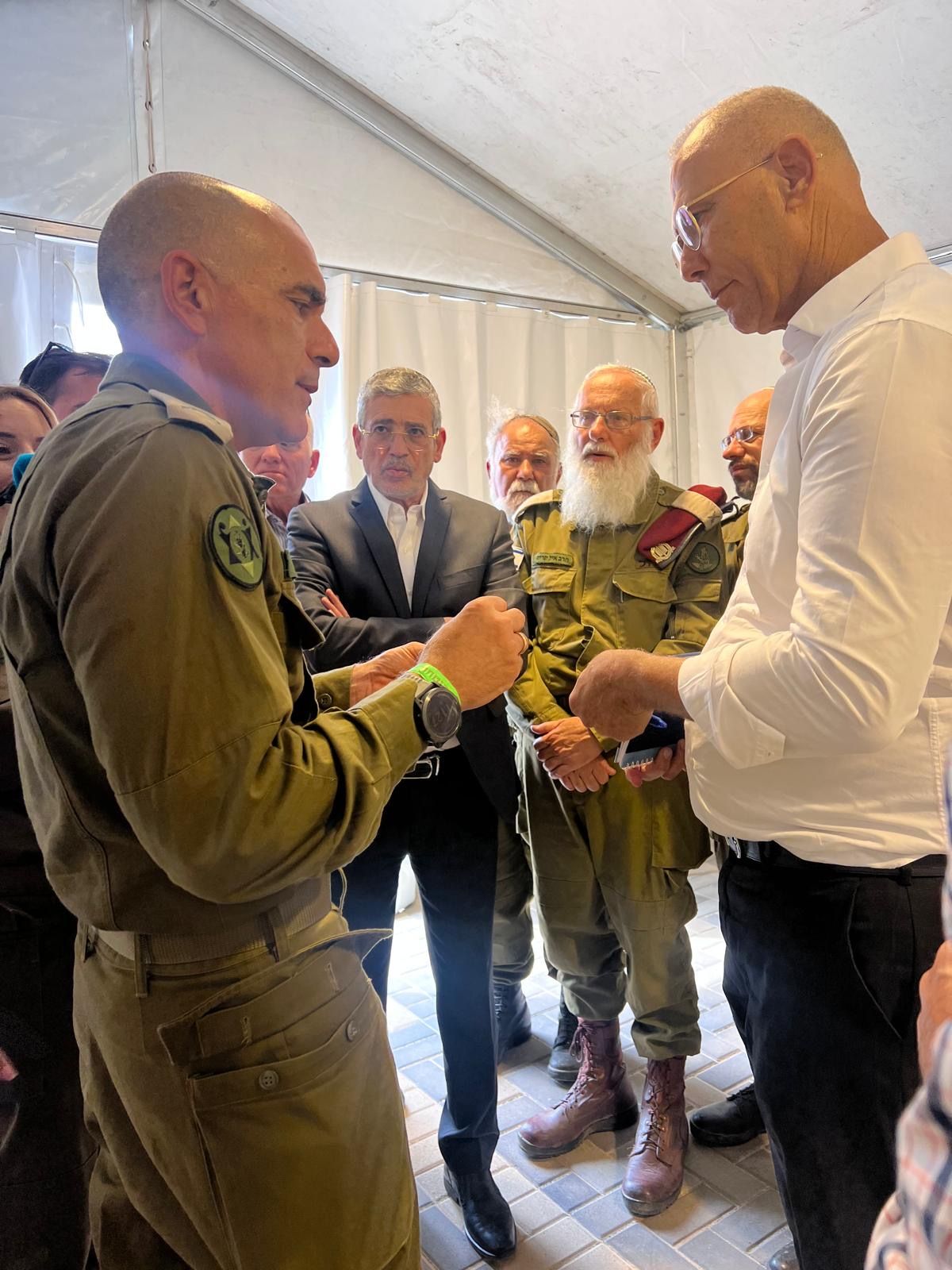
With members of the Military Rabbinate
With members of the Military Rabbinate (Photo: Courtesy of the photographer)

The emotional scars and the stories that won't let go

Asked about the ability to survive mentally facing the terrible sights that accompanied him day after day, Yehuda Avidan describes a sense of supreme mission that shut down emotion in real time, alongside specific memories that are seared into his blood.

"The sense of supreme mission disconnected us from all emotion. In real time you sleep an hour and a half at night, you don't have time to think about it or reach nightmares. But there are cases you cannot forget.

One case was of the hostage Amit Buskila hy"d. The notification came and we had to inform the family on Friday at 14:00. I picked up the phone to the institute and said to them, because I knew the body had arrived in good condition, 'Photograph the tattoos for me.' I called Shimon, her uncle, who was almost like a father to her and was not willing to accept the notification in any way, into a side room. I showed him the picture and asked: 'Shimon, is this it?' He said: 'Yes.' I said to him: 'This is the girl.' And at that moment he went outside and said: 'That's it, she's dead.' These are things you remember afterwards, you can't forget.

Another case was of the girl with special needs and her father. We buried the father because there was identification. And I, as someone who had a daughter with special needs, Shira alehah hashalom who passed away, I said to them: 'Guys, the girl didn't leave the father, no way! You don't know what this is.' I insisted and we did checks with the police, until in the end we opened the grave, took out the body, brought it to the institute and we found them together, connected. It was a father's instinct for a daughter with special needs. We didn't leave a stone unturned to find each and every one."

R' Yehuda Avidan with the Chief Military Rabbi
R' Yehuda Avidan with the Chief Military Rabbi (Photo: Courtesy of the photographer)

Holy work without public relations

In conclusion, Yehuda Avidan addresses the gap between his public image as a political figure and the quiet mission he carried out in those difficult weeks.

"I could have done a lot of public relations about the whole story of the burial, but I made a conscious and deliberate decision: we don't do PR on the story of the burial, we don't do PR on the dead and not on bereavement. This is our mission, not us and not the chevra kadishas. At the end of the day, the Ministry of Religious Services is not just appointing rabbanim, it's truly avodas kodesh."

R' Yehuda Avidan in the first days after October 7
R' Yehuda Avidan in the first days after October 7 (Photo: Courtesy of the photographer)

The secret committee of the Rishon LeTzion HaRav Yitzchak Yosef and the freeing of agunos

Another sensitive and important chapter in the ministry's work identifying the dead was the establishment of a secret halachic-legal committee that worked to free agunos and establish death in complex cases.

"We established for the first time in history a committee parallel to the army for establishing the death of a civilian victim when we have nothing in hand. At the head of the committee stood Maran the Rishon LeTzion HaRav Yitzchak Yosef, together with Rav Rozhe, a man in his eighties, a reserve lieutenant-colonel who didn't leave Shura day or night, and the dayan Rav Ido Shachar. The three of them were the poskim.

I was the coordinator of the committee, and alongside us were the Israel Police, the army and the Ministry of Health who brought the materials. This was a committee that worked under the radar and nothing leaked from it. Everyone whose death we established, it was 100%. The responsibility was enormous: to know that we are telling a family to sit shiva, to let them make kri'ah and to free agunos, knowing there is no chance of a mistake."

Learning lessons: a flow chart for future disasters

The traumatic experience at Camp Shura led to the building of new national procedures at the Ministry of Religious Services, designed to regulate the handling of sudden mass-casualty events in the future.

"For the first time after 25 years I succeeded in bringing as a result of learning the lessons a detailed government decision of 15–20 pages, which begins the entire flow chart from the second of the outbreak of war or such an emergency until the end of the event. This was not a simple government decision, I went through more than 37 legal advisers until it was approved.

Now I am in the middle of preparing another government decision on the case of earthquakes. In addition, I am preparing a document on handling a disaster that could occur outside the borders of the state, like a plane or helicopter crash, so that we know in advance who handles it, who we're dealing with, how we cope with identification and halacha and who is responsible."

Ready for more?

Join our newsletter to receive updates on new articles and exclusive content.

We respect your privacy and will never share your information.

Enjoyed this article?

Yes
No
Follow Us:

Unmissable content


Loading comments...

Also of Interest