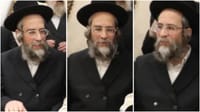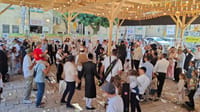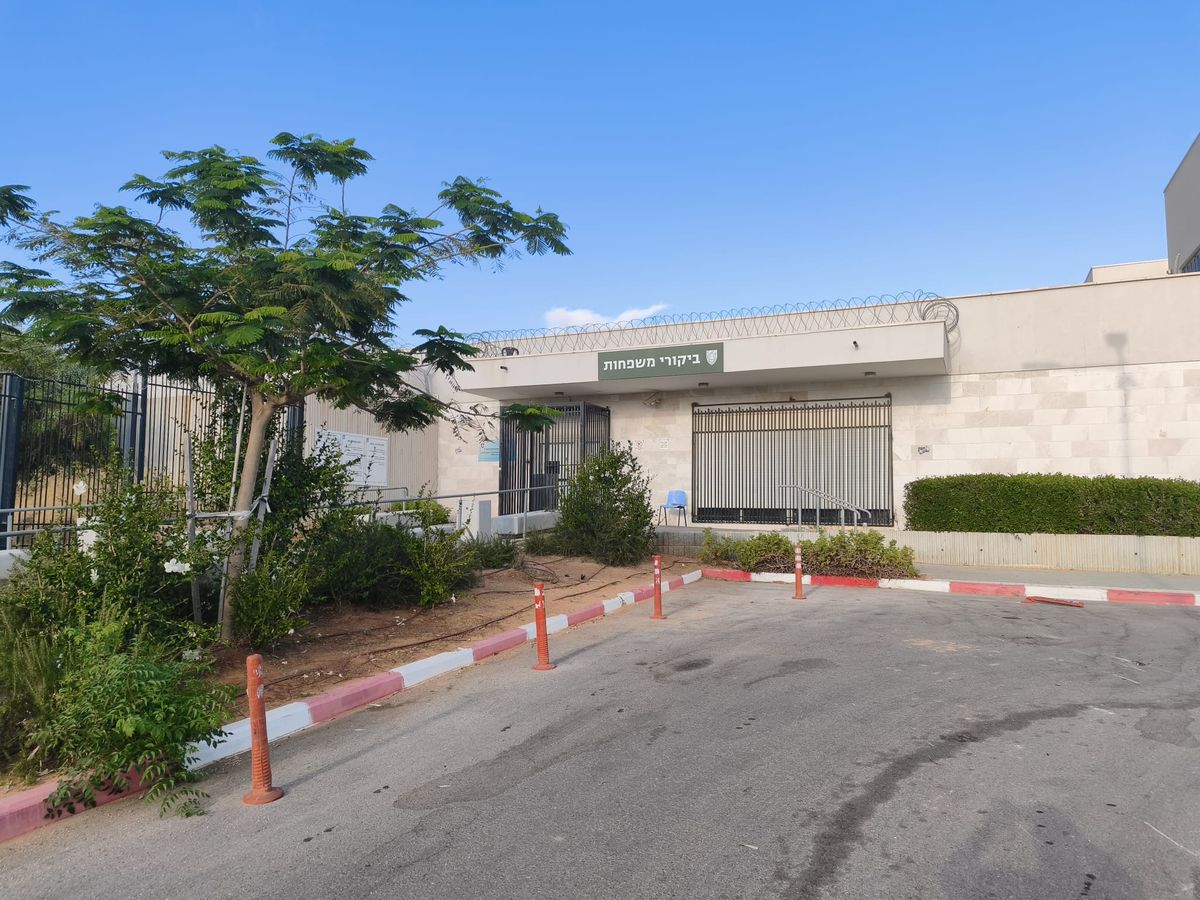
When prominent rabbis or students from well-connected Hasidic courts are detained over draft issues, major institutions typically mobilize on their behalf. Rebbes and yeshiva heads take to the streets, and organizational machinery swings into action. But what happens when the person arrested has no such connections?
That question now confronts supporters of Rabbi Yitzchak David Lamett, a Jerusalem resident from the Ramot neighborhood who has spent the past week in Military Prison 10. Lamett, described by acquaintances as a diligent Torah scholar of gentle disposition, finds himself behind bars with minimal institutional support.
Several weeks ago, after the birth of Lamett's son (and following advice from a community liaison), he went to an IDF recruitment office to regularize his status as a yeshiva student, a step many ultra-Orthodox men take to maintain their draft deferments. Instead of processing paperwork, authorities arrested him on the spot and transferred him directly to military detention.
Because Lamett does not belong to a Hasidic dynasty with political influence or a large organization with professional advocacy staff, he has been left largely on his own. He has, in the words used locally, "fallen between the chairs", lacking the protective institutional framework that others in similar situations receive.
Lamett's sole transgression, according to his supporters, was his desire to continue his Torah studies. Now, having just celebrated his son's brit milah and with the pidyon haben ceremony approaching, his young wife is largely alone.