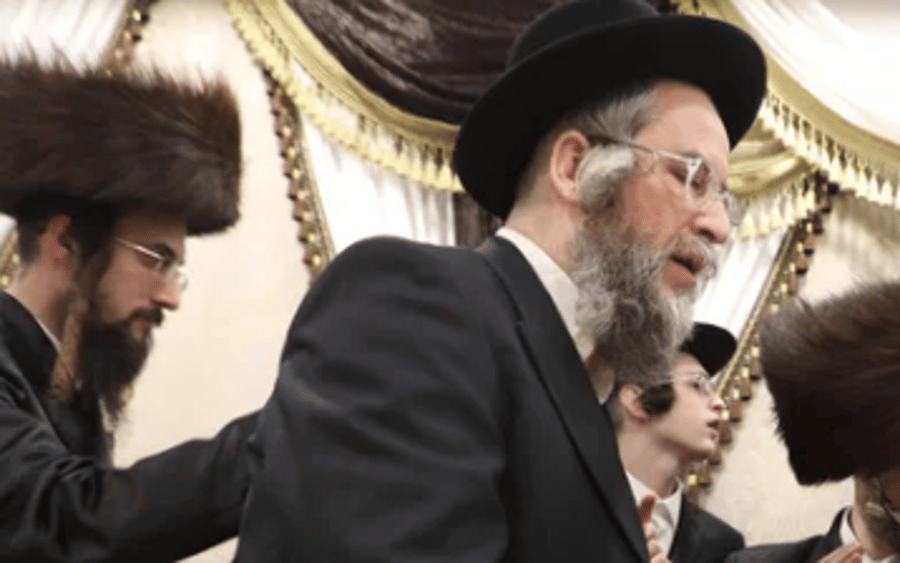
The head of the Brisk yeshiva in Jerusalem delivered an unusually sharp public rebuke of two Haredi institutions that recently hosted President Isaac Herzog, Kikar HaShabbat reported on Monday.
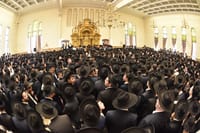
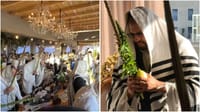
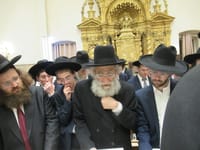
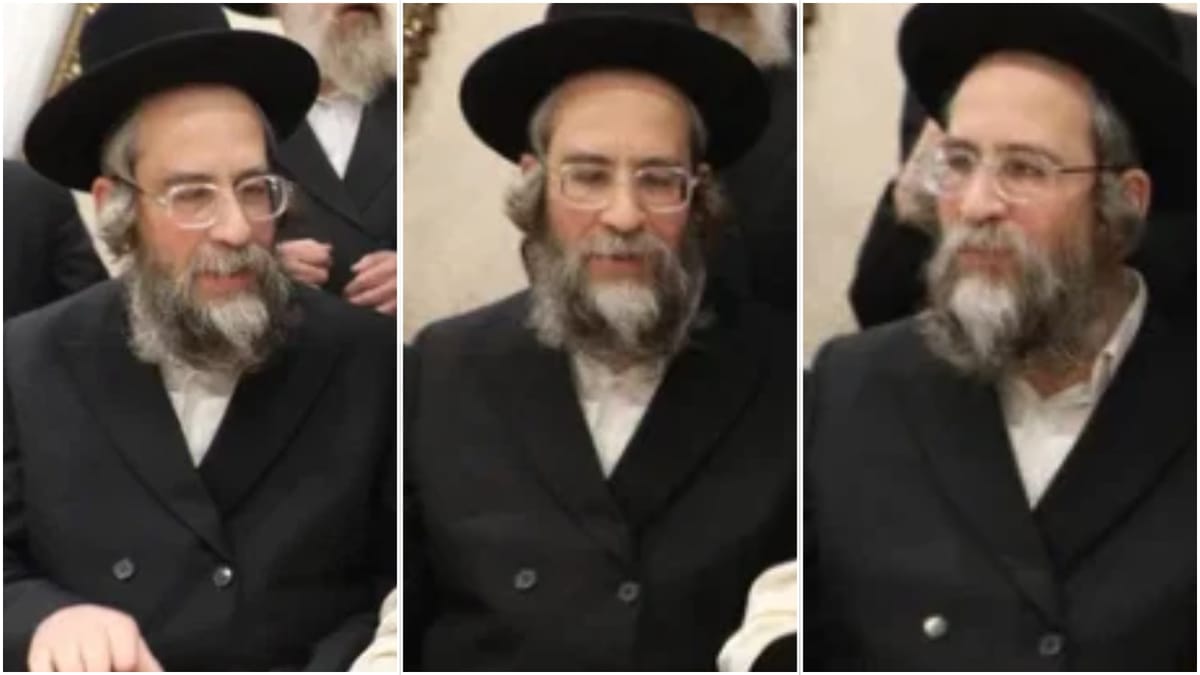
Rav Yitzchak Zev Halevi Soloveitchik spoke at the yeshiva's Simchas Beis Hashoeivah, the traditional Sukkot celebration, before hundreds of students in its main hall. He is the son of the late Rav Meshulam Dovid Soloveitchik and heads one of the most prestigious and uncompromising yeshivas in the Haredi world, which has always refused state funding.
His target was Herzog's visits to the Ateret Shlomo school in Telz Stone, near Jerusalem, at the start of the school term, and to the Tashbar museum in Bnei Brak, housed in the former home of the Chazon Ish, the revered leader of Haredi Jewry in Israel's early years.
"How could they come to such degradation?" Rav Soloveitchik said, according to the report. "Show some respect to the Chazon Ish." He asked how the institutions could allow the president to affix a mezuzah and appear before hundreds of children, and said the Chazon Ish "is surely pained in his grave" at what has been done in his name. He also criticized turning the sage's home into a museum in order to receive government money.
He built up to the criticism through an hour-long Talmudic lecture on the Temple ritual of beating the willow branch on Hoshana Rabbah. This year, he noted, the shofar was not blown and the Four Species were not taken on Shabbat, because the sages suspended those Torah commandments out of concern that people would carry in the public domain.
The willow ritual, by contrast, was never allowed to lapse, and the calendar was arranged so that Hoshana Rabbah never falls on Shabbat. Citing the medieval commentator known as the Ran, he explained that the sages protected it because the Sadducees, a sect that rejected rabbinic tradition, wanted it abolished.
"We see that Chazal agreed to cancel Torah mitzvos, but a custom that the Tzedokim wanted to abolish would never be cancelled," he said. The implication was clear: where the tradition is under challenge from those outside it, there can be no concessions.
Neither institution has responded publicly, and the President's Office has not commented.