
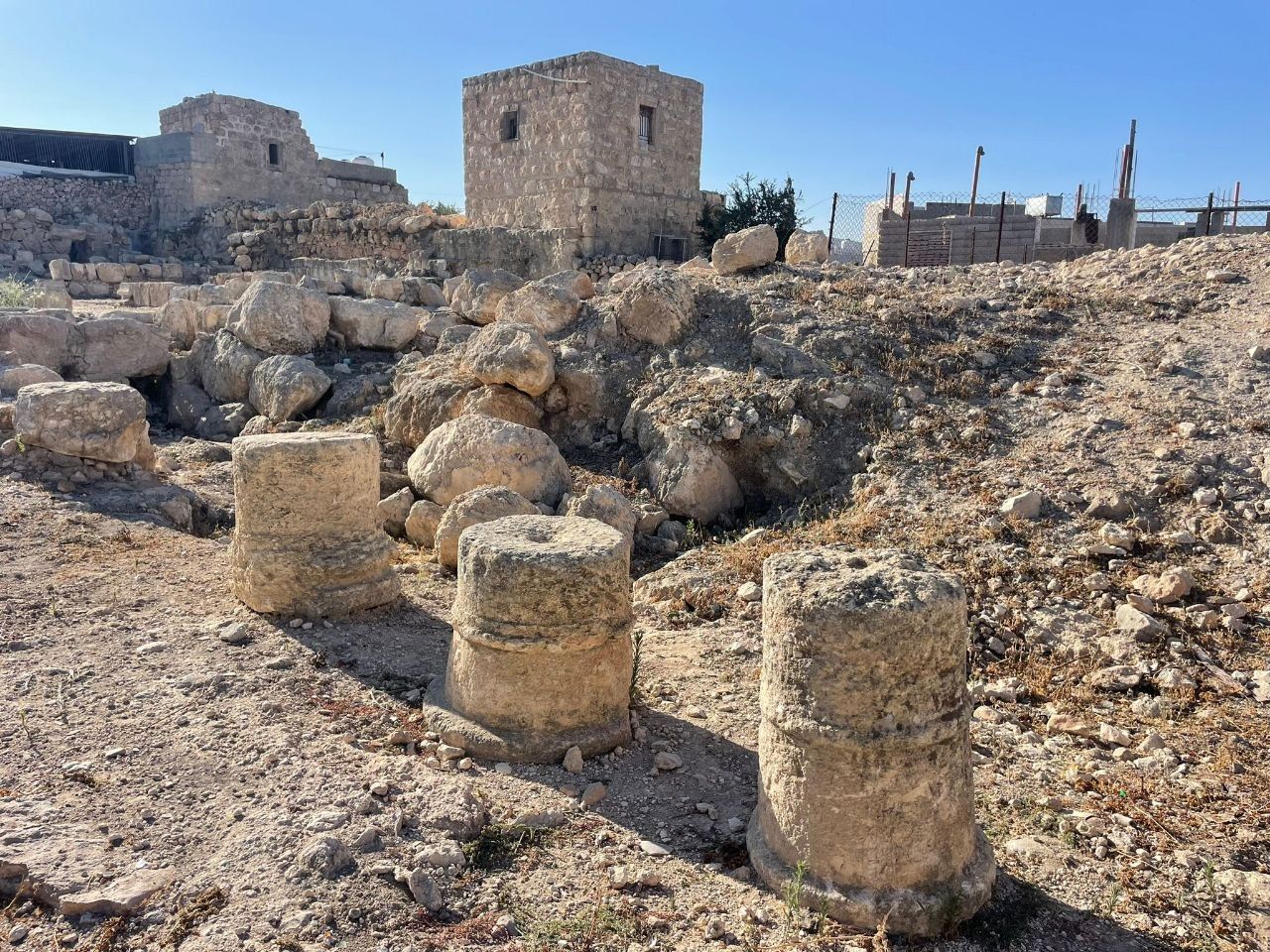
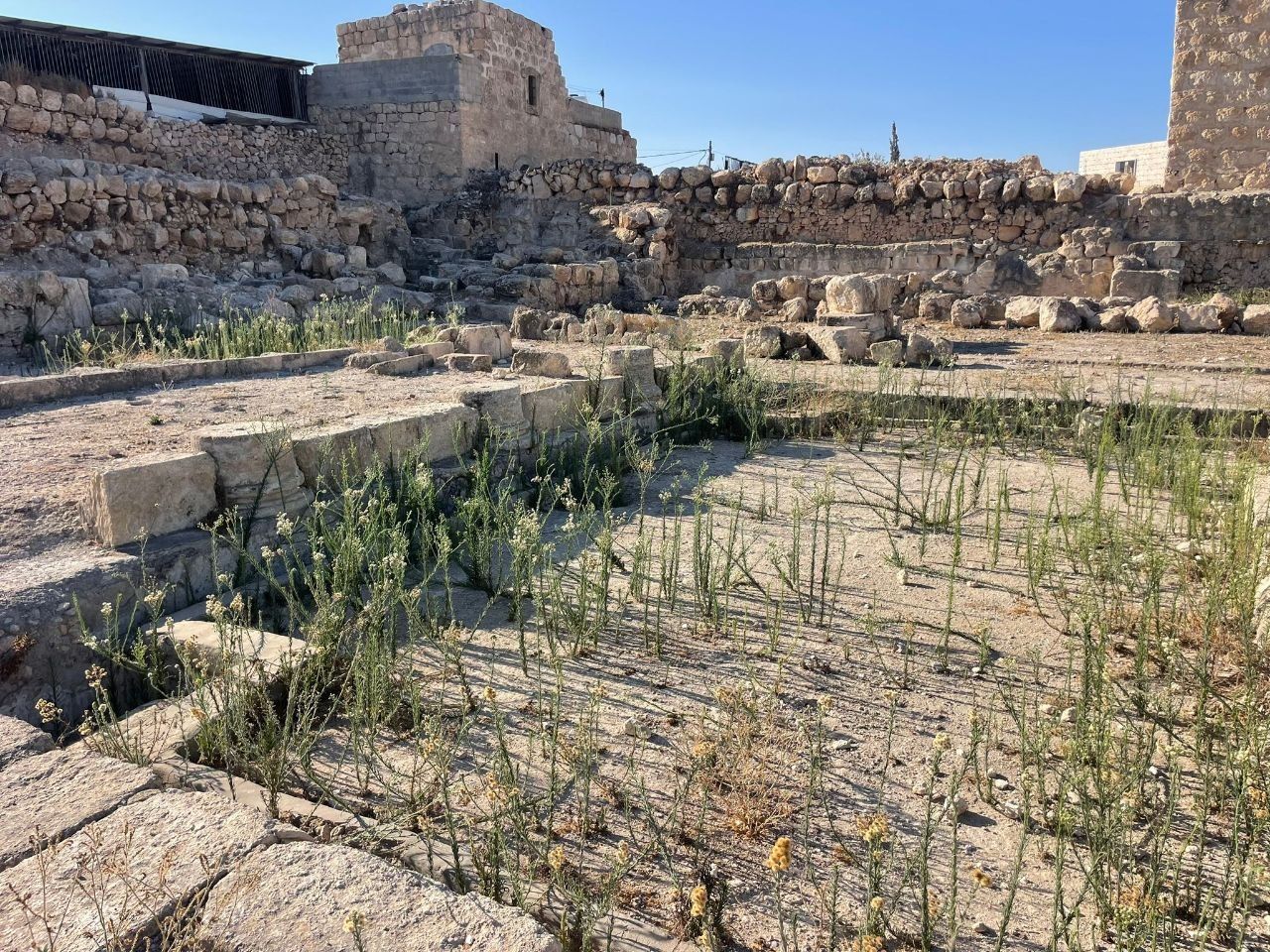
An elaborate ancient burial complex has been uncovered in recent days in a village west of Hebron. The site was first examined by researcher Meir Rotter, a scholar of the Land of Israel who studied under the late researcher Zev Vilnay. The discovery occurred when a local resident conducted development work on his property, inadvertently exposing the entrance to two ancient burial caves.
Archaeology
Ancient Menorah Found in Hebron-Area Caves
Archaeologists document rare Second Temple-period burial complex featuring carved menorah symbols and ornate burial chambers in village west of Hebron
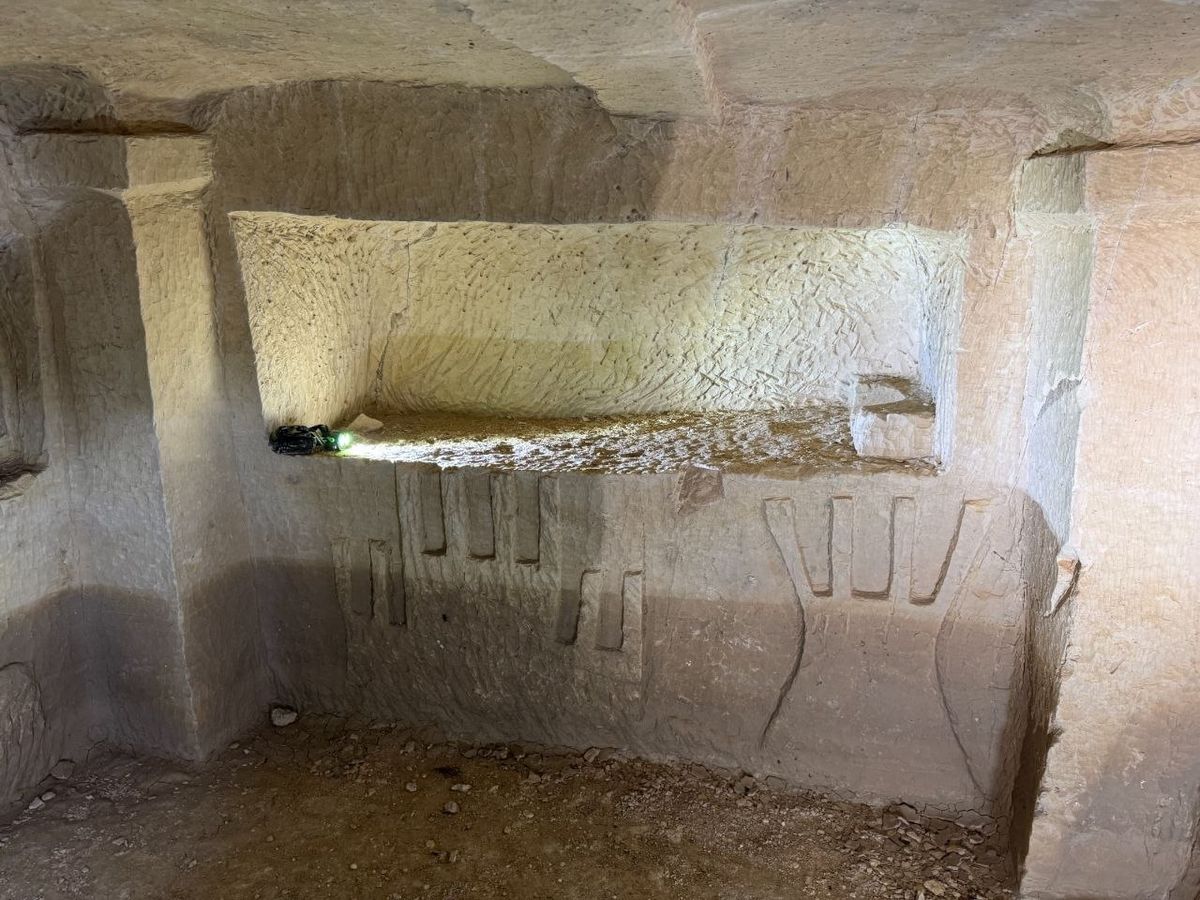
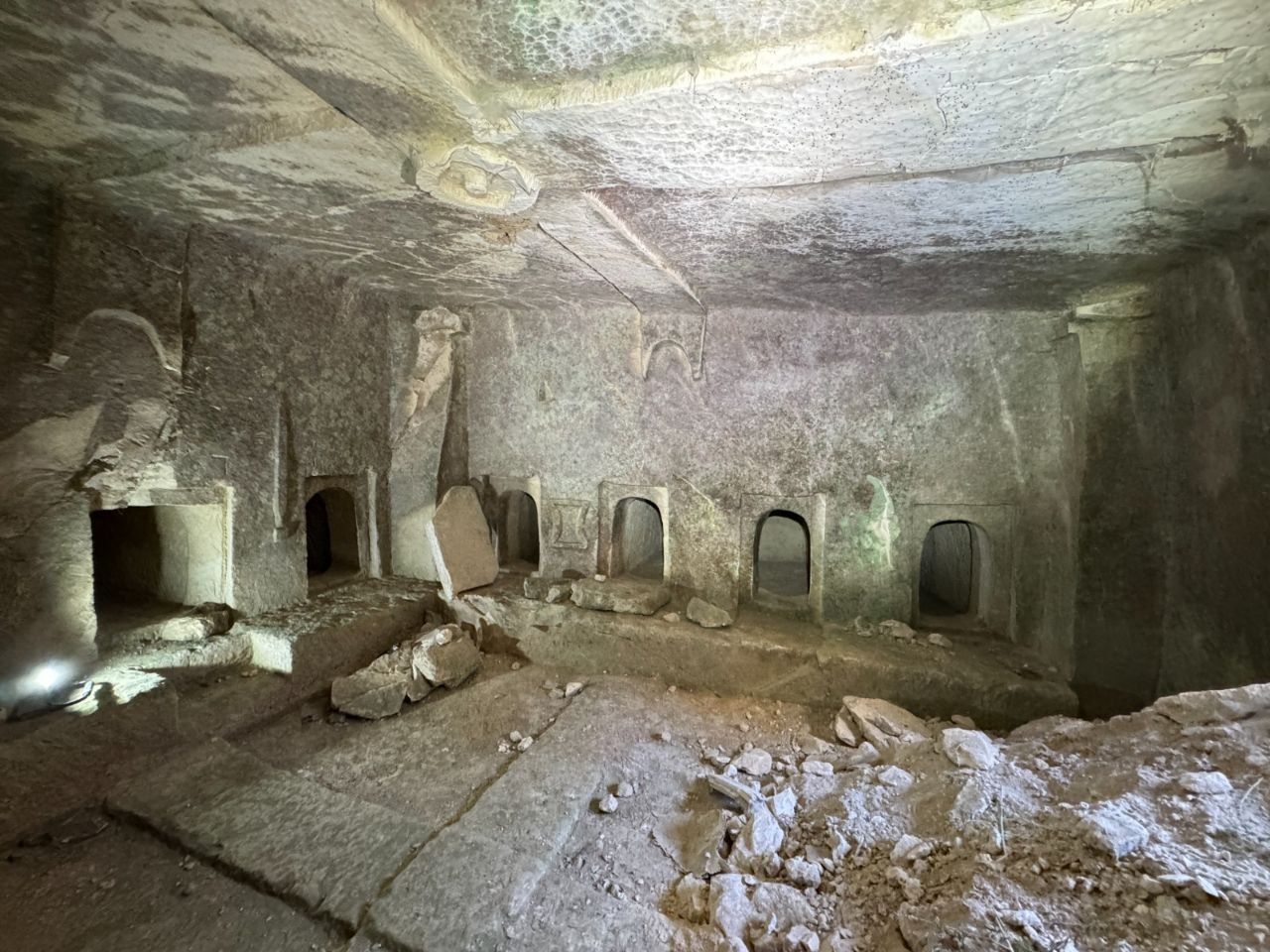
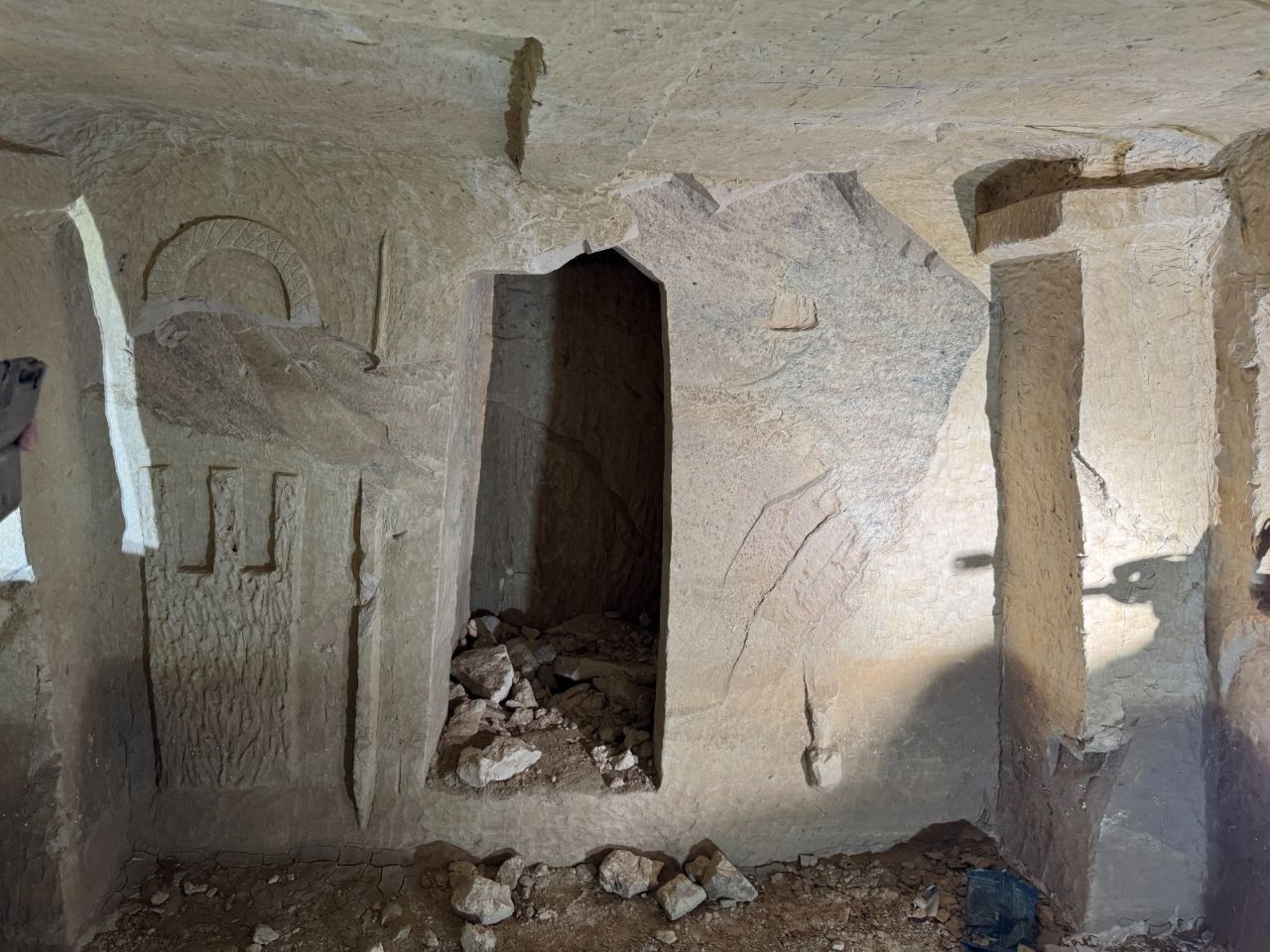
The first cave is a large kokhim burial chamber, a type of tomb with niches carved into the walls, constructed as a spacious room with a vaulted ceiling. Three walls of the chamber contain burial niche openings, meticulously carved into beautiful limestone rock. The niches are considerably larger than typical examples from the period, reflecting grandeur and prestige. The quality and extent of the stonework indicate significant investment in creating this burial space.
The second cave is similarly constructed as an impressive burial chamber decorated with various designs. It also features burial niches carved into three of its walls, each carefully hewn with its own decorative frame.
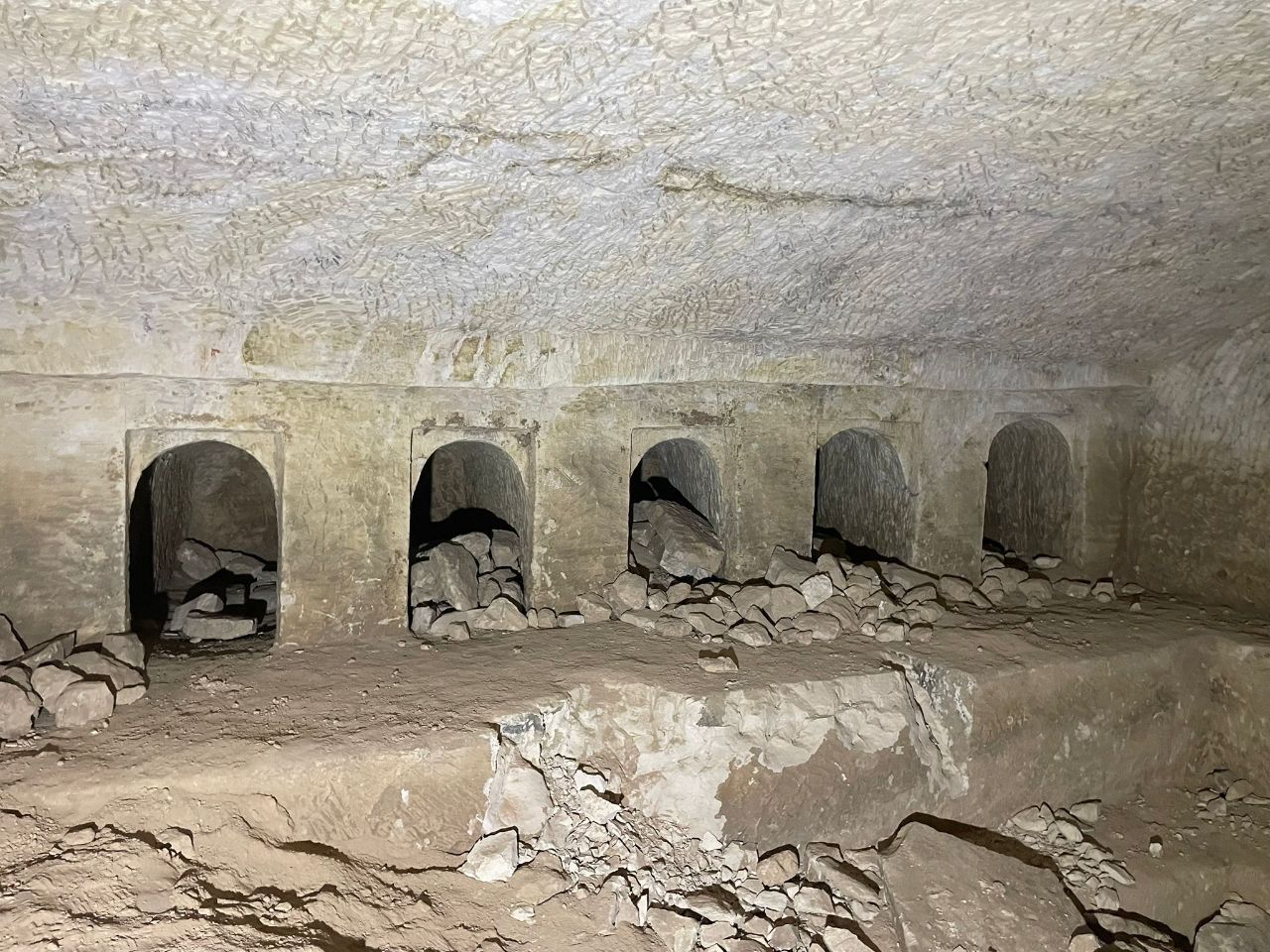
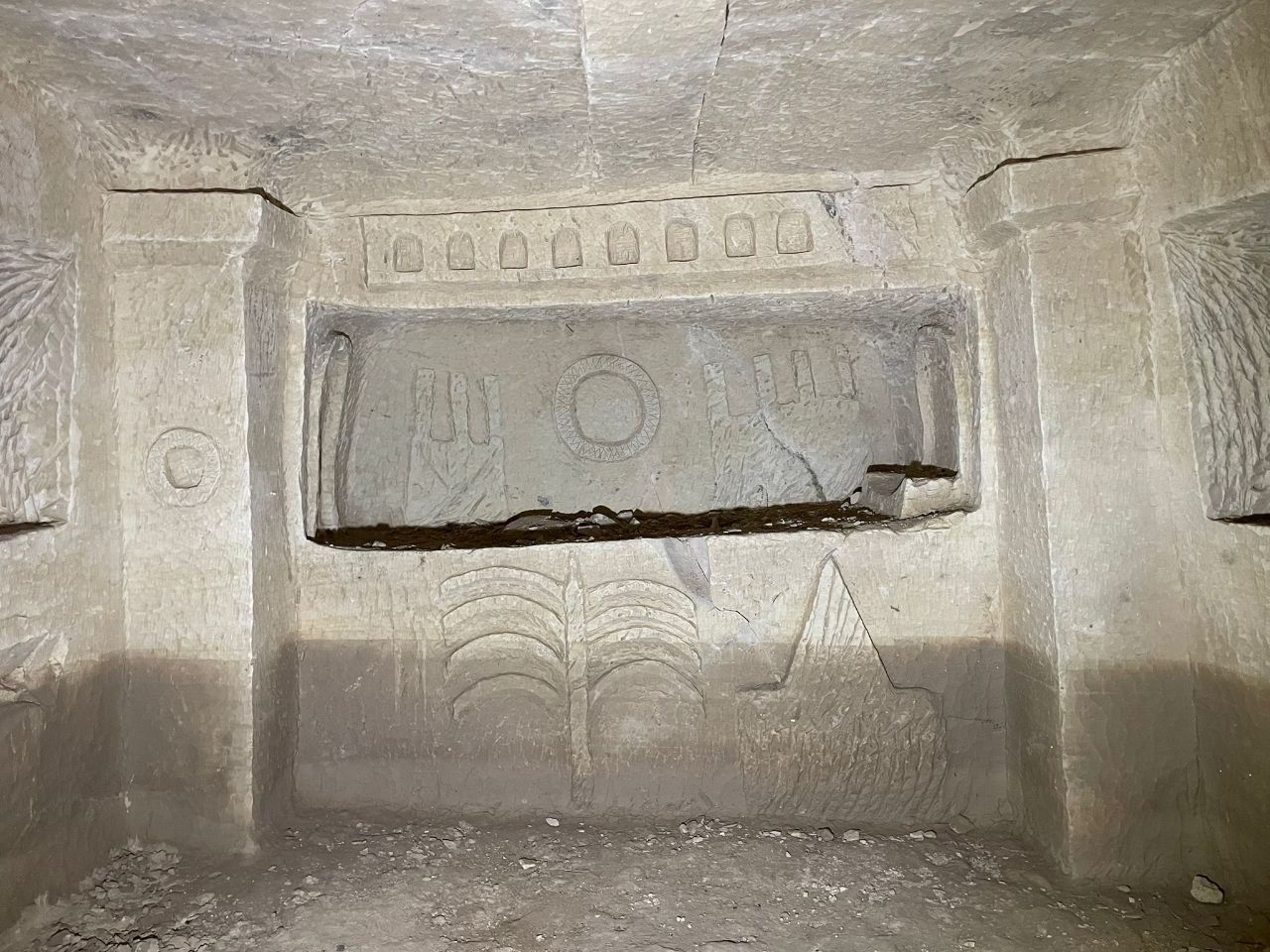
A step rises from the chamber floor toward the burial niches, and the rolling stones that once sealed the niche openings remain in their original positions.
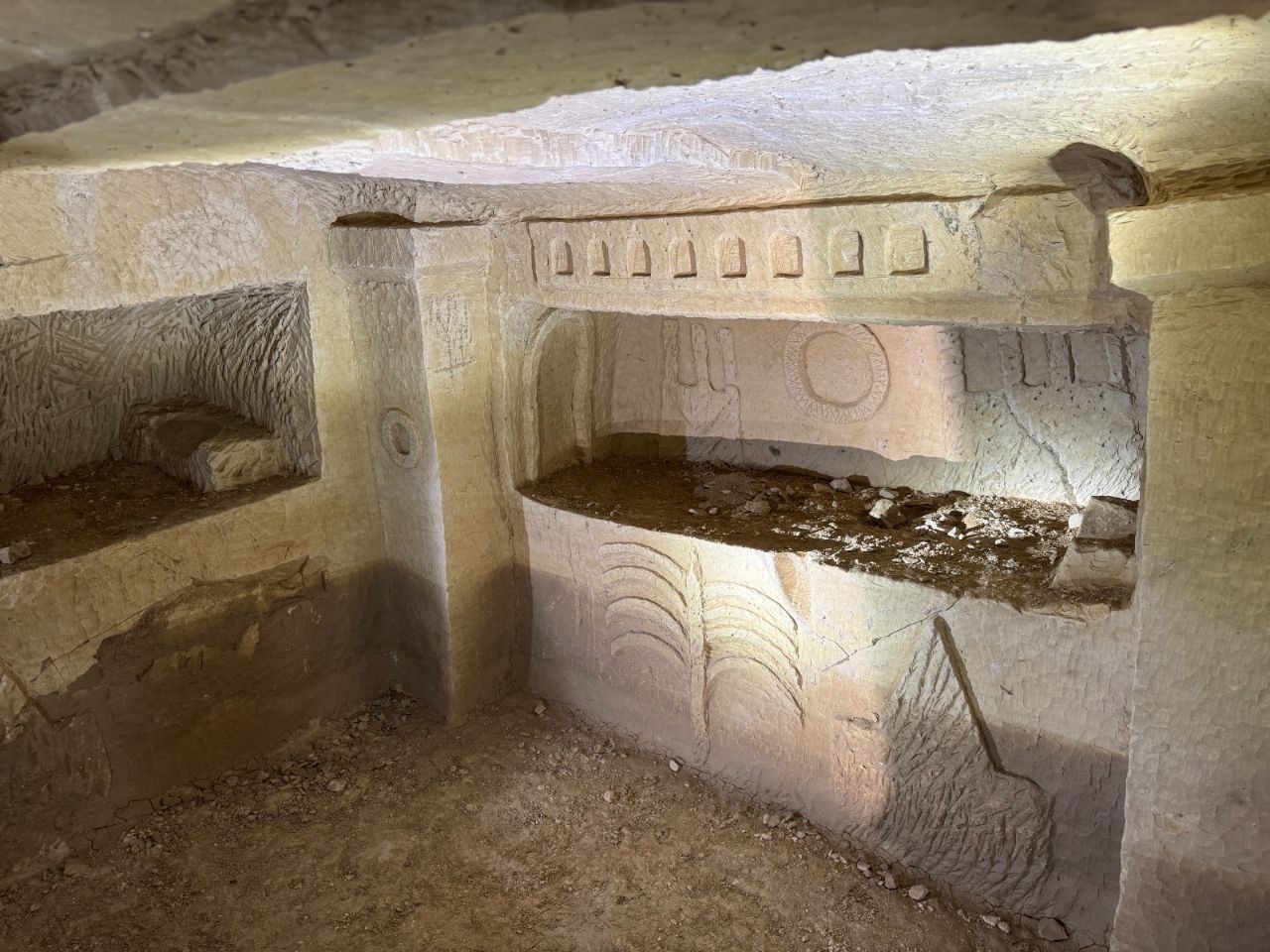
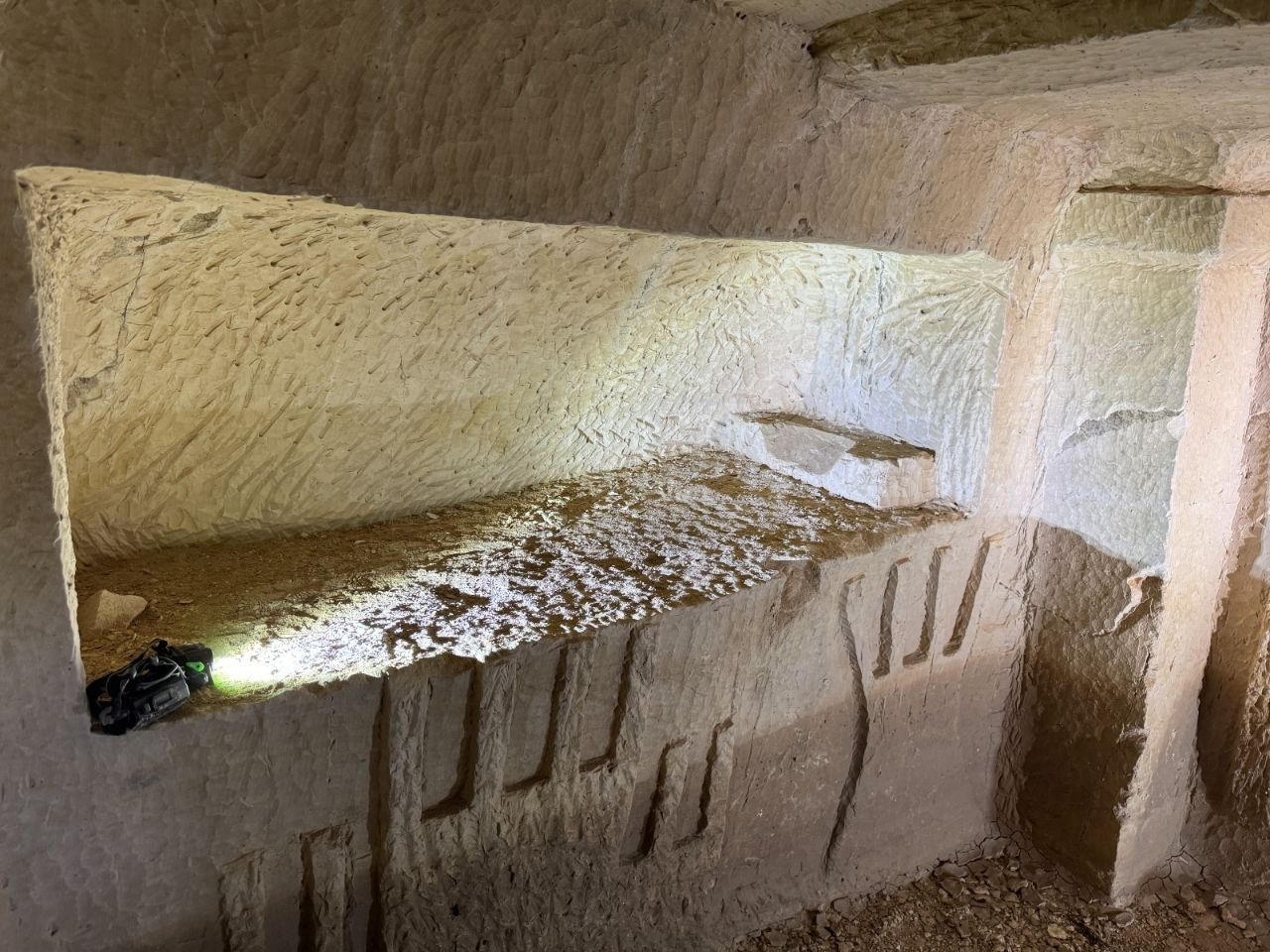
In one corner of the chamber, a descent leads to an additional level, effectively the heart of the complex. This lower chamber is an ornate burial room containing three resting places, each with a stone pillow, indicating that distinguished individuals were interred here.
The walls of this inner chamber are adorned with impressive decorative elements. On one wall, two types of Jewish menorah designs are etched, apparently carved at a later stage rather than during the cave's original use.
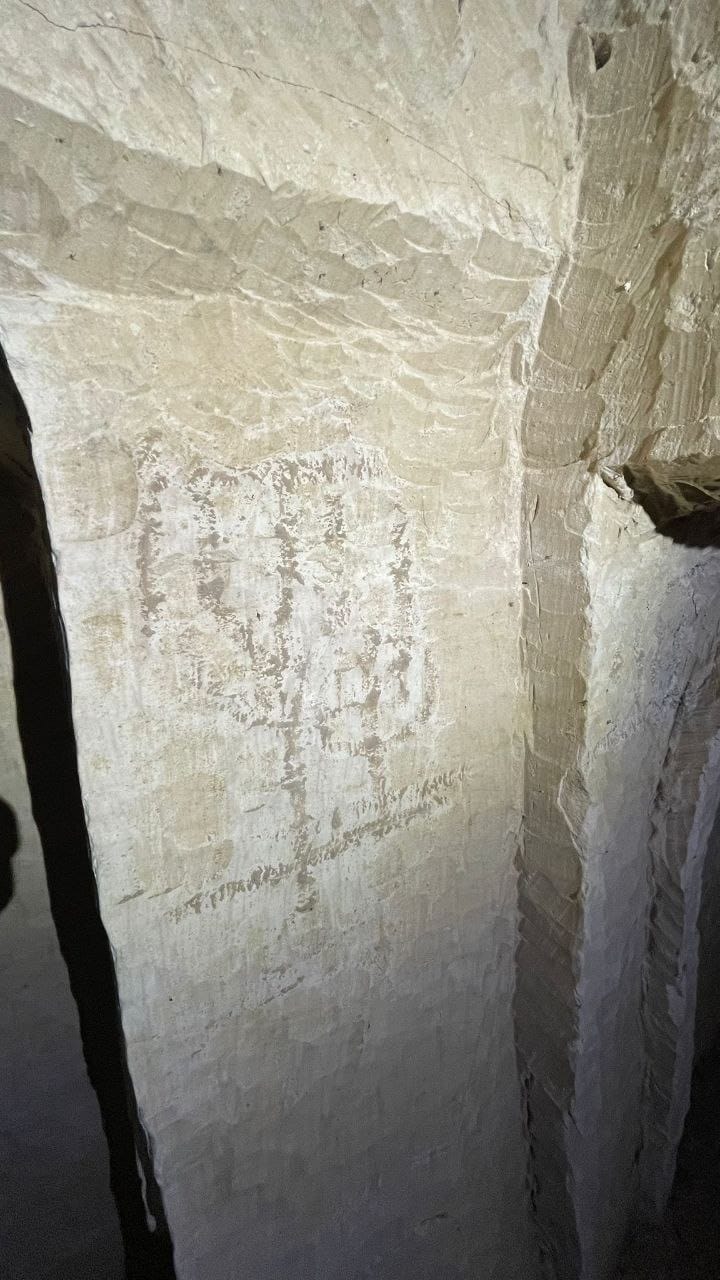
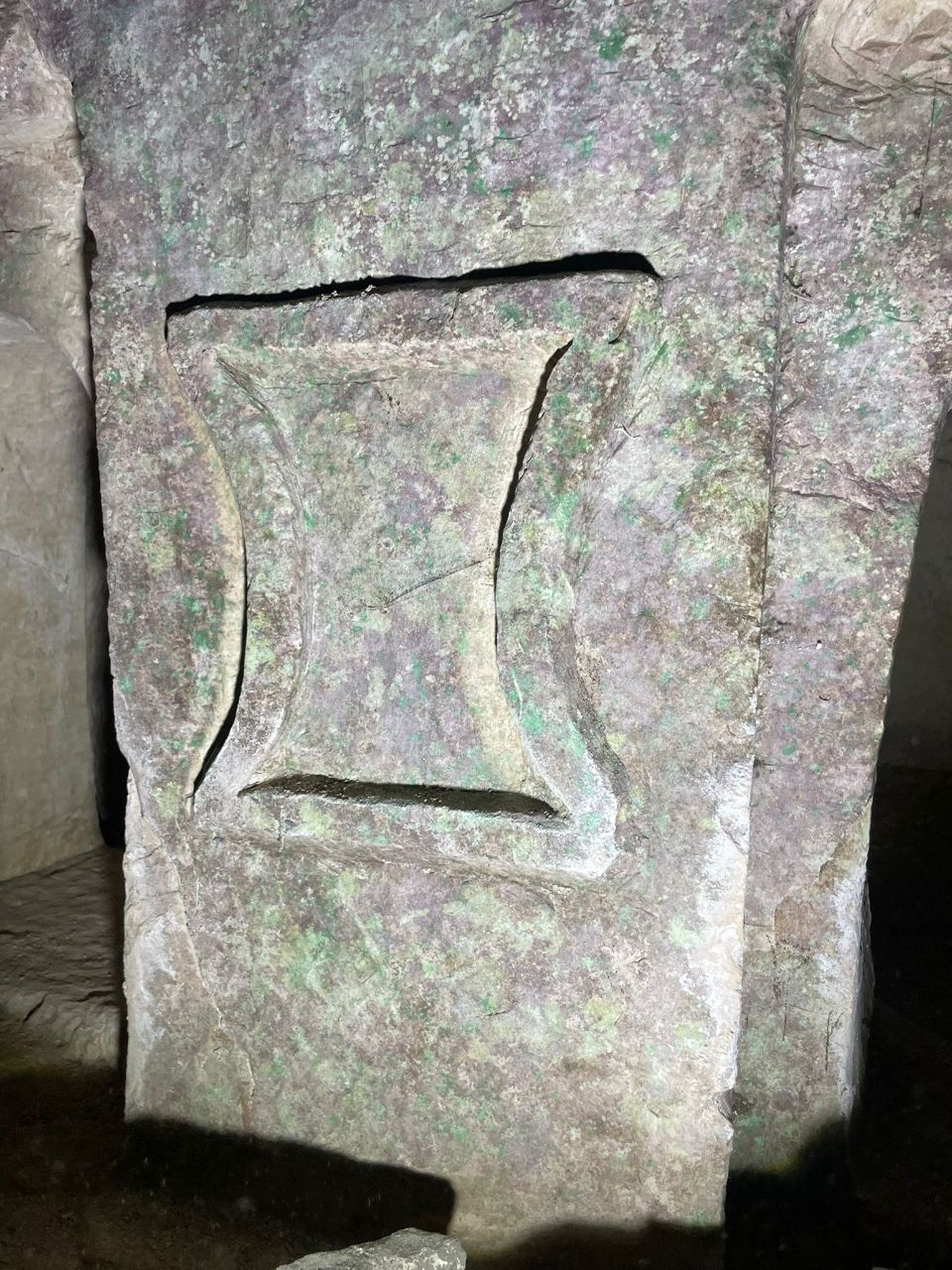
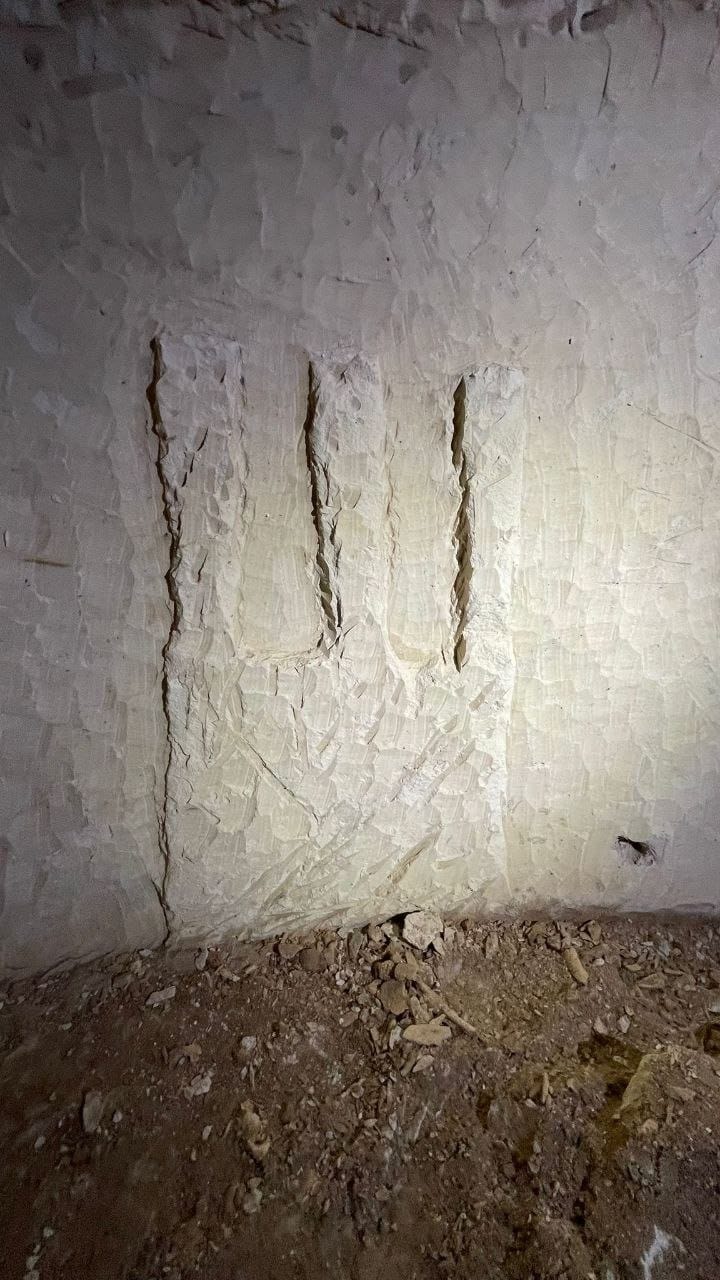
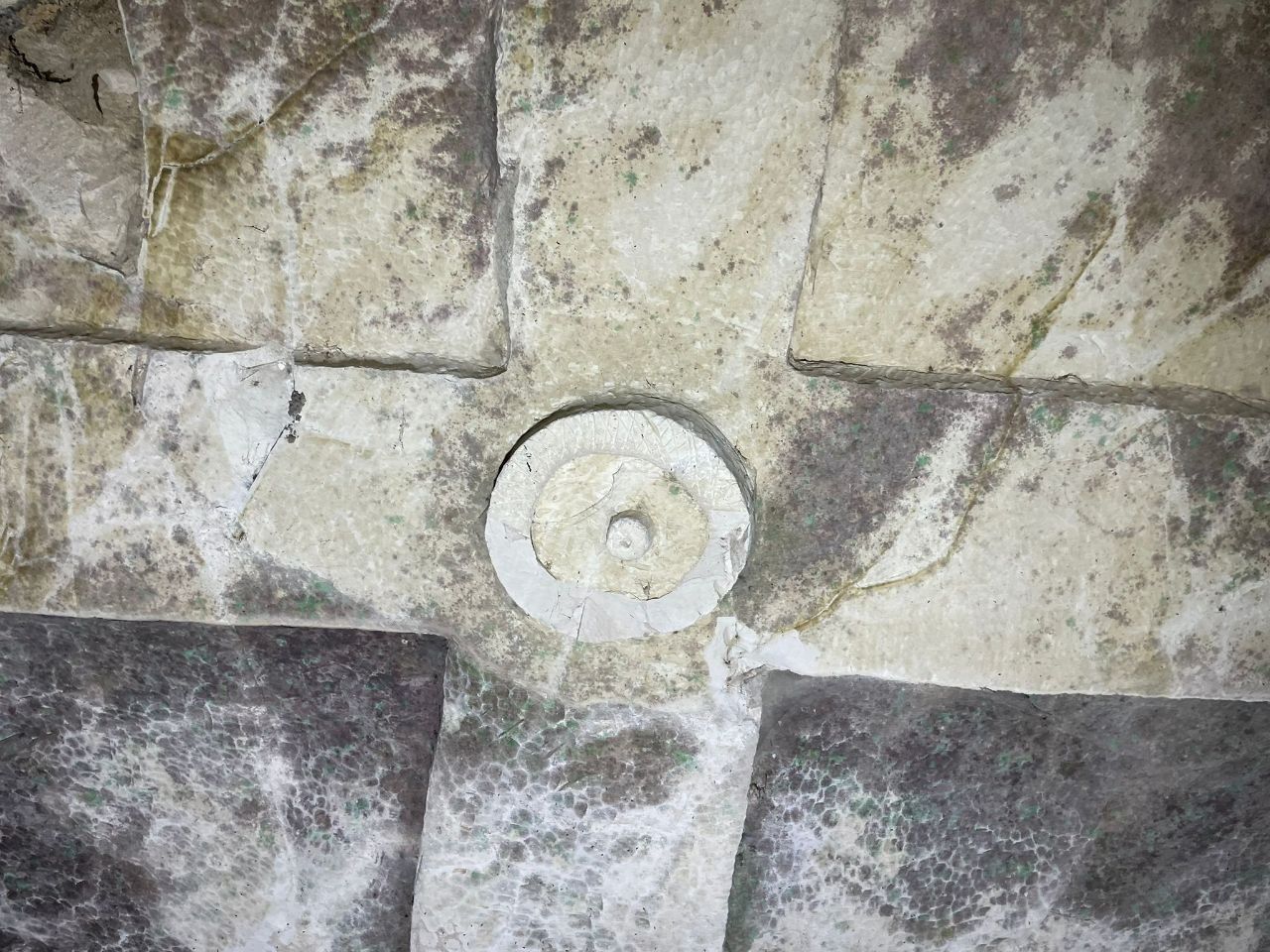
Archaeologists date the caves to the period between the Herodian era and the end of the Second Temple period, roughly 37 BCE to 70 CE. Evidence suggests the caves continued to serve as burial sites during the period between the Jewish revolts against Rome, until the Bar Kokhba revolt of 132-135 CE, when the Jewish settlement in the region was completely destroyed.
The cave is currently under the supervision and monitoring of the Staff Officer for Archaeological Affairs, who is examining and documenting the findings. Due to its sensitive security location near the surrounding Arab village houses and its deteriorated condition, the site is not accessible to visitors.
Israel Shapira is a historian, senior lecturer, researcher of the Land of Israel, and tour guide. He is the author of several books on historical and sacred sites in Israel and the region. For comments, materials, ideas, or to arrange lectures, contact: sisraerl@gmail.com