The Hidden Tragedies
The 10 Tragedies That Shaped Tisha B'Av
•jewish-world


Exploring the history, religious significance, and archaeological findings related to the Second Temple, the center of Jewish worship in Jerusalem from 516 BCE to 70 CE
The Second Temple was the Jewish holy temple that stood on the Temple Mount in Jerusalem from approximately 516 BCE until its destruction by the Romans in 70 CE. Built after the return from Babylonian exile, it served as the central place of worship and pilgrimage for the Jewish people for nearly six centuries. The temple underwent significant expansion and renovation under King Herod the Great beginning around 20 BCE, transforming it into one of the most magnificent structures of the ancient world.
The Second Temple period represents a crucial era in Jewish history, spanning from the Persian period through the Hellenistic and Roman periods. During this time, the temple served not only as a religious center but also as the focal point of Jewish national identity and cultural life. The temple complex included courtyards, gates, and various chambers where priests performed daily sacrifices and rituals according to biblical law. Three times a year, during the pilgrimage festivals of Passover, Shavuot, and Sukkot, Jews from throughout the ancient world would travel to Jerusalem to worship at the temple.
Archaeological excavations around the Temple Mount have uncovered numerous artifacts and structures from the Second Temple period, providing valuable insights into daily life and religious practices of that era. Discoveries include ritual baths (mikvaot), stone vessels used for purity purposes, coins, and architectural fragments. The Western Wall, a retaining wall built by Herod to support the expanded Temple Mount platform, remains standing today as the most significant physical remnant of the Second Temple complex.
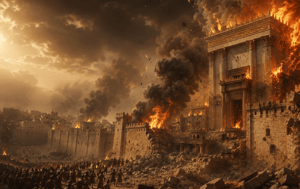
The destruction of the Second Temple in 70 CE by Roman forces under Titus marked a pivotal moment in Jewish history, fundamentally transforming Jewish religious practice and identity. The event occurred during the First Jewish-Roman War and resulted in the deaths of hundreds of thousands of Jews and the exile of many others. The loss of the temple necessitated the development of rabbinic Judaism, as worship shifted from temple sacrifice to prayer and Torah study in synagogues.
The Second Temple period witnessed significant religious and political developments, including the emergence of various Jewish sects such as the Pharisees, Sadducees, and Essenes. This era also saw the composition of important religious texts and the crystallization of many Jewish practices and beliefs that continue to influence Judaism today. The temple's influence extended beyond religious matters, as it also functioned as an economic center and repository for communal funds.
Modern scholarship continues to examine the Second Temple period through historical texts, including the writings of Josephus Flavius, the Dead Sea Scrolls, and rabbinic literature. These sources, combined with ongoing archaeological research, help reconstruct the temple's appearance, the rituals performed within it, and its role in ancient Jewish society. The memory and significance of the Second Temple remain central to Jewish tradition, liturgy, and messianic hopes.
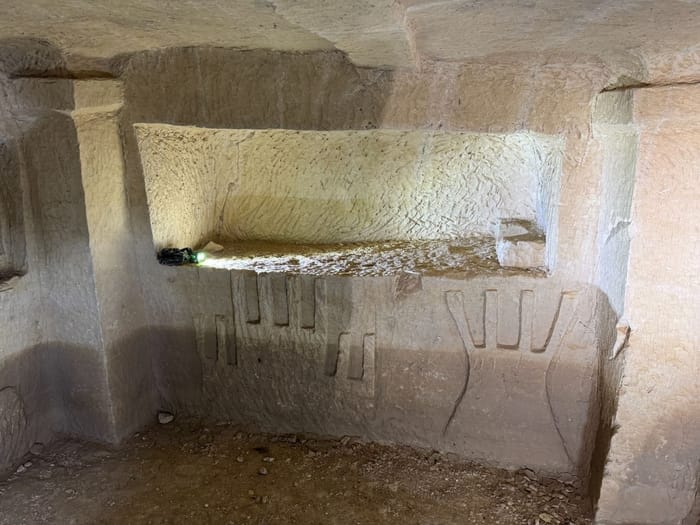
Archaeologists document rare Second Temple-period burial complex featuring carved menorah symbols and ornate burial chambers in village west of Hebron
The Hidden Tragedies
be Prepared

bizarre and evil